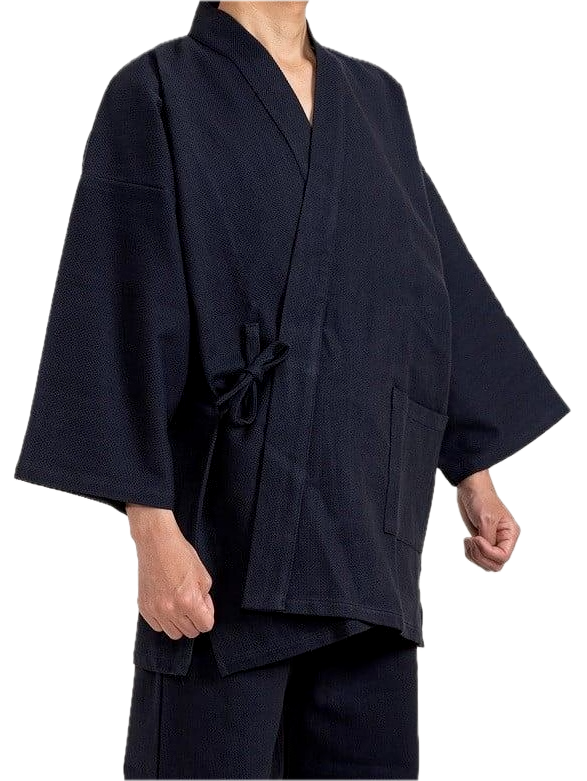

Samue Guide — Zen Monk Workwear

Complete Guide to Japanese Samue, Zen Meditation Clothing, Martial Arts Practice Wear, Sizing, Fabrics, Seasons and Care

The samue is a traditional Japanese work garment originally worn by Zen monks during temple labor, known as samu 作務. Simple, practical, and deeply connected to discipline, the samue has become a respected garment for meditation, martial arts, temple life, craftspeople, gardening, homewear, and mindful daily living.
This Samue Guide brings together all BujindoShop resources about Japanese samue: its origin, spiritual meaning, fabrics, seasonal use, sizing, care, Zen meditation practice, martial arts use, and how to choose the right model according to your lifestyle.
Whether you are looking for a Made in Japan Kurume samue, a comfortable daily samue, a summer cotton model, a warm winter samue, or a traditional garment for Zazen, Bujutsu, Ninjutsu, temple work, or quiet home practice, this guide is designed to help you choose with clarity and confidence.
Quick Answer: A samue is a traditional Japanese two-piece work garment originally worn by Zen monks for temple labor. Today, it is used for Zen meditation, martial arts practice, Japanese lifestyle, homewear, gardening, crafts, and daily comfort. To choose the right samue, compare the fabric, season, size, intended use, comfort, durability, and whether it is made in Japan.
Table of Contents
- I. Understand Japanese Samue
- II. Choose the Right Samue
- III. Samue for Zen, Martial Arts and Daily Practice
- IV. Samue Fabrics, Seasons and Comfort
- V. Samue Size, Care and Maintenance
- VI. Shop Japanese Samue

I. Understand Japanese Samue
Start here if you want to understand what a samue is, where it comes from, and why this simple Japanese garment carries such a strong connection with Zen discipline, work, meditation, humility, and practical daily life.
-
What Is a Samue? — Complete Definition & Origins
Learn the meaning, origin, structure, and traditional use of Japanese samue workwear. -
The History & Spirit of the Samue — From Zen Temples to Modern Japan
Understand how samue evolved from Zen temple labor clothing into modern Japanese lifestyle wear. -
What Is a Modern Samue? — Tradition vs Contemporary Design
Discover how traditional samue design has been adapted for modern comfort, daily use, and contemporary Japanese style. -
Samue Meaning in Japanese Culture — Work, Discipline, Simplicity and Mindfulness
A deeper cultural guide to the spirit of 作務, temple work, humility, and mindful action.

II. Choose the Right Samue
Choosing a samue depends on your purpose. A samue for Zazen meditation, martial arts practice, gardening, temple work, travel, or homewear will not always require the same fabric, thickness, fit, or level of formality.
-
Which Samue Is Right for You? — Practical Buyer Guide
A practical guide to choosing the best samue according to your practice, lifestyle, season, and comfort needs. -
Where to Buy an Authentic Japanese Samue?
Learn what to check before buying a real Japanese samue online: origin, fabric, construction, sizing, and trust. -
Samue vs Jinbei vs Haori — Differences & How to Choose
Compare three essential Japanese garments and understand when to choose a samue, jinbei, or haori. -
Samue by Season — Fast Selection Guide (1-Minute Choice)
Quickly choose the right Japanese samue according to summer, winter, spring, autumn, or all-year use. -
Best Samue for Beginners — First Japanese Samue Buying Guide
A simple guide for first-time buyers who want a comfortable, authentic, and easy-to-wear samue.
Buying Tip: For a first samue, choose a model that matches your main use. For Zazen or homewear, comfort is essential. For martial arts or outdoor work, durability and ease of movement matter more. For traditional Japanese atmosphere, a Made in Japan samue offers stronger cultural value.

III. Samue for Zen, Martial Arts and Daily Practice
The samue is not only clothing. It supports posture, movement, humility, discipline, and calm presence. This is why it is appreciated by Zen practitioners, martial artists, craftspeople, gardeners, and people who seek a simple Japanese lifestyle.
-
Which Samue Should You Choose for Zen Meditation?
Learn how to choose a samue for Zazen, temple atmosphere, seated meditation, comfort, and quiet practice. -
Can You Wear a Samue Every Day? — Daily Life, Comfort & Modern Use
Understand how samue can be worn daily at home, for work, meditation, travel, and relaxed Japanese-inspired living.
-
Samue for Temple Work and Japanese Crafts — Gardening, Cleaning, Calligraphy and Tea Practice
A guide to samue as functional workwear for temple-inspired activities and traditional crafts. -
Samue for Men — Traditional Comfort, Japanese Style and Daily Discipline
Coming soon: A men’s samue style guide focused on comfort, sobriety, movement, and Japanese elegance.

IV. Samue Fabrics, Seasons and Comfort
Fabric is one of the most important elements when choosing a samue. Cotton, linen, sashiko weave, modern blends, light summer fabrics, and thicker winter fabrics all create a different feeling, weight, breathability, warmth, and durability.
-
Samue Fabrics Explained — Cotton, Linen (Asa), Sashiko & Modern Weaves
Compare cotton, linen, sashiko, and modern weaves to understand comfort, durability, texture, and seasonal use. -
Samue for Each Season — Summer, Winter & All-Year Models
Learn which samue to choose for summer heat, winter cold, spring, autumn, or year-round daily use. -
Samue by Season — Fast Selection Guide (1-Minute Choice)
A quick seasonal selection guide for buyers who want a fast and practical recommendation. -
Best Kurume Samue Made in Japan — Bujindo Kyoto Selection
Discover our selected Kurume samue, appreciated for Japanese craftsmanship, comfort, and traditional quality. -
Cotton Samue vs Linen Samue — Which Fabric Should You Choose?
Coming soon: A comparison guide between cotton and linen samue for comfort, breathability, durability, and season. -
Sashiko Samue Explained — Texture, Strength and Traditional Japanese Weave
Coming soon: A focused guide to sashiko-style samue and its visual, functional, and cultural qualities.

Quick Answer: For summer, choose a light cotton or linen samue. For winter, choose a thicker cotton or padded model. For all-year use, a medium-weight cotton samue is usually the most versatile choice.

V. Samue Size, Care and Maintenance
A samue should allow relaxed movement without feeling oversized or restrictive. Because Japanese sizing can differ from Western sizing, it is important to check measurements carefully before buying. Proper washing and storage also help preserve the fabric and shape over time.
-
Samue Size Guide & Measurements
Learn how to choose the correct samue size using jacket length, sleeve length, pants length, waist, and body fit. -
How to Care for Your Samue — Washing & Maintenance
Learn how to wash, dry, store, and preserve your Japanese samue for long-term comfort and durability. -
Japanese Samue Size Chart for International Buyers
Coming soon: A detailed international size guide comparing Japanese samue sizing with Western body measurements. -
How Should a Samue Fit? — Relaxed Fit, Movement and Comfort Guide
Coming soon: A practical guide explaining how loose, long, or fitted a samue should feel when worn.

VI. Shop Japanese Samue on BujindoShop
BujindoShop selects Japanese samue with attention to authenticity, comfort, practical use, fabric quality, cultural atmosphere, and suitability for meditation, martial arts, temple-inspired work, and daily Japanese lifestyle.
If you are ready to choose your samue, explore our Japanese samue collection and compare each model according to its material, size, season, use, comfort, and traditional value.
Recommended Reading Path
For the best experience, follow this reading order:
- What Is a Samue?
- The History & Spirit of the Samue
- Which Samue Is Right for You?
- Samue Fabrics Explained
- Samue for Each Season
- Samue Size Guide & Measurements
- How to Care for Your Samue
BujindoShop Samue Guide Mission
The purpose of this guide is not only to present our Japanese samue collection , but to help each buyer understand the spirit of the garment: simplicity, discipline, comfort, movement, humility, work, meditation and daily practice.
A samue is not only casual Japanese clothing. It is a practical expression of quiet action and mindful living. Explore our traditional Japanese samue for men and women and choose the fabric, fit, colour and seasonal weight that best support your work, meditation, crafts and everyday practice.
-
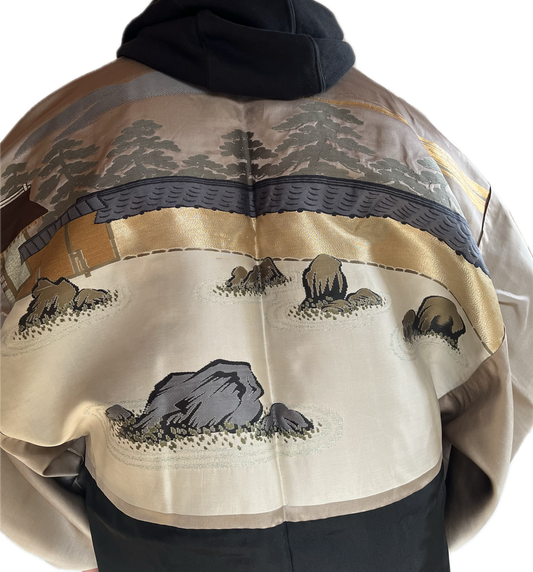
Men's Japanese Haori Black Silk Umebachi Montsuki Zen Garden of Ryoanji Temple, Kyoto
Regular price $368.40Regular price$491.61Sale price $368.40PROMO -
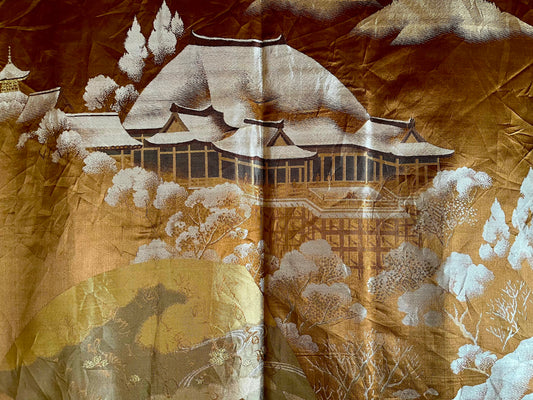
Men’s Antique Haori – Black Silk Kikyo Montsuki Kyomizudera
Regular price $368.40Regular price$430.00Sale price $368.40PROMO -
Antique Men’s Haori Jacket - Zen Garden of Ryoanji Temple, Kyoto (Deluxe Edition)
Regular price $368.00Regular price$491.00Sale price $368.00PROMO -
Men’s Antique Japanese Haori – Black Silk Tsuru Montsuki with Golden Samurai Helmet (Kabuto)
Regular price $359.00Regular price$383.42Sale price $359.00PROMO -
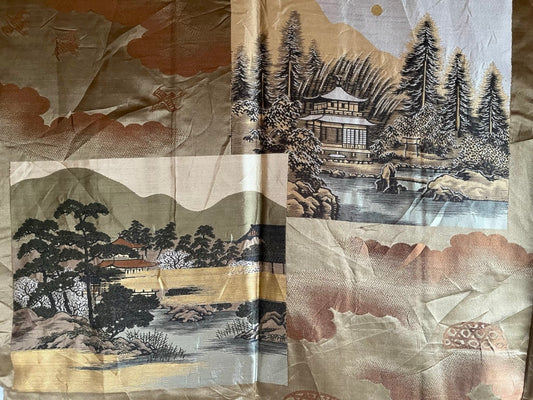
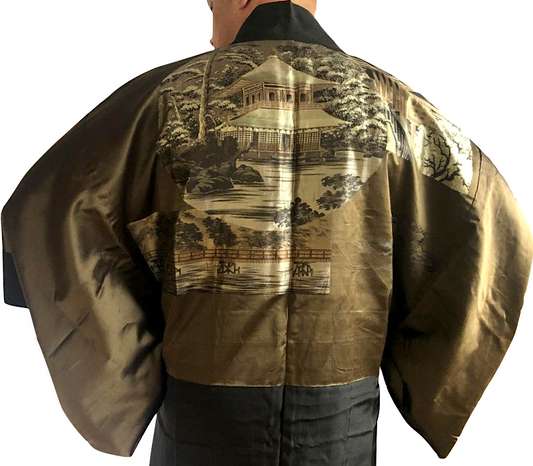
Men’s Haori Antique - Black Silk Dakimyoga Montsuki Temple Ginkakuji & Kinkakuji Kyoto
Regular price $331.43Regular price$430.00Sale price $331.43PROMO -
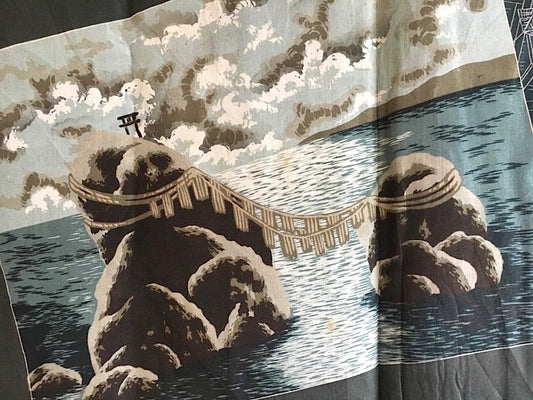
Men’s Japanese Haori Black Silk Katabami Montsuki Meoto Iwa Ise
Regular price $329.00Regular price$369.00Sale price $329.00PROMO -
Antique Men’s Haori - Black Silk Montsuki Ginkakuji & Arashiyama Pattern Made in Japan
Regular price $307.00Regular price$359.00Sale price $307.00PROMO -
Men’s Haori Black Silk Mokkou Montsuki Kyomizu Dera Kyoto
Regular price $299.00Regular price$369.00Sale price $299.00PROMO -
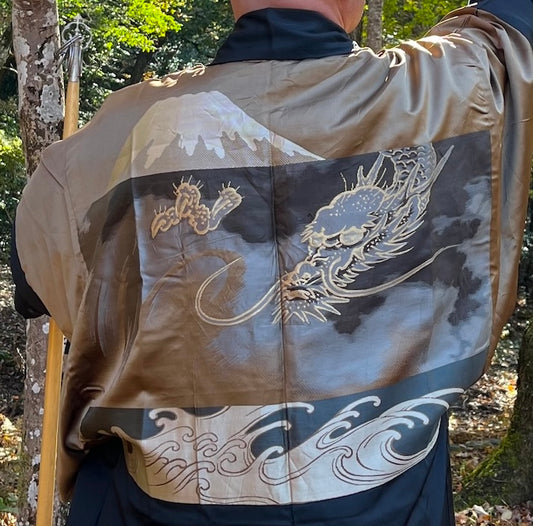
Men’s Haori Black Silk Katabami Montsuki Fuji & Dragon RYU
Regular price $299.00Regular price$369.00Sale price $299.00PROMO -
Japanese Men's Formal Haori Black Silk Futatsu Hiki MonTsuki Japan Paris Art Style
Regular price $276.00Regular price$345.00Sale price $276.00PROMO -
Men’s Vintage Haori Black SilK Samurai Crest Botan Kuyo
Regular price $197.00Regular price$219.00Sale price $197.00PROMO -
Men’s Antique Haori – Black Silk Futatsu Hiki Montsuki – Sansui Gaden
Regular price $183.58Regular price$245.19Sale price $183.58PROMO -
Men’s Antique Black Silk Haori Sumitate Yotsume Montsuki Toshogu Yomeimon Nikko
Regular price $239.00Regular price$358.00Sale price $239.00PROMO -
Men's Haori – Black Silk Kenkatabami Montsuki – Shinto Shrine
Regular price $158.94Regular price$246.19Sale price $158.94Sold out -
Antique Japanese Haori Black Silk Montsuki with Mitsukashiwa Crests Hunting Scene
Regular price $158.90Regular price$245.19Sale price $158.90Sold out -
Men's Antique Japanese Haori Jacket Black Silk Mokkou Montsuki Dragon VS Tiger
Regular price $239.00Regular price$359.00Sale price $239.00PROMO -
Men's Haori Black Silk Mokkou Montsuki The SkyCastle "Takeda-Jo " Made in Japan
Regular price $232.00Regular price$249.00Sale price $232.00PROMO -
Men’s Antique Haori Black Silk Takanohane Montsuki SADO (Tea Ceremony)
Regular price $234.00Regular price$294.00Sale price $234.00PROMO -
Men's Antique Samurai Haori Black Silk Monstuki– Busho no Ikusa
Regular price $245.19Regular price$368.40Sale price $245.19PROMO -
Men's Haori antique - Agarifuji Montsuki Tiger VS Dragon
Regular price $245.19Regular price$356.08Sale price $245.19PROMO -
Antique Japanese Men’s Haori - Black Silk Katabami Montsuki with Horyuji Temple
Regular price $140.00Regular price$183.00Sale price $140.00PROMO -
Men’s Antique Traditional Japanese Haori Black Silk Montsuki OchaWashitsu
Regular price $245.19Regular price$405.36Sale price $245.19PROMO -
Men’s Antique Japanese Haori Tachibana Montsuki Kinkakuji & Jinja Kyoto
Regular price $232.87Regular price$356.08Sale price $232.87PROMO -
Men’s Japanese Haori – Black Silk Katabami Montsuki Kyomizudera Temple & Himeji Castle
Regular price $232.87Regular price$356.08Sale price $232.87PROMO -
Men’s Antique Haori – Black Silk Tachibana Montsuki – Aki no Nihon Fūkei
Regular price $154.00Regular price$206.00Sale price $154.00Sold out