
BUYER GUIDE
BujindoShop Buyer Guide
Traditional Japanese Gear for Martial Arts, Mikkyo, Shugendō and Japanese Lifestyle

Welcome to the BujindoShop Buyer Guide.
BujindoShop is dedicated to authentic Japanese clothing, martial arts equipment, Ninjutsu gear, Mikkyo supplies, Shugendō tools and traditional lifestyle items. This guide helps you understand the cultural meaning, practical use, sizing, materials, care and correct selection of each item.
Whether your path is Ninjutsu, Karate, Aikido, Judo, Iaido, Kendo, Bujutsu, Mikkyo, Shugendō, Zen meditation, or a traditional Japanese lifestyle, this buyer guide is designed to help you choose with clarity, respect and confidence.
Quick Answer: This BujindoShop Buyer Guide helps you choose traditional Japanese clothing, martial arts gear, Ninjutsu equipment, Mikkyo supplies and Shugendō tools by comparing purpose, size, fabric, season, practice use, cultural meaning and long-term care.
Table of Contents
- Traditional Japanese Wear
- Ninjutsu Equipment
- Martial Arts Gear
- Mikkyo & Shugendō
- BujindoShop FAQ – Ninjutsu, Mikkyo, Japanese Clothing & Traditional Gear

Traditional Japanese Wear
Traditional Japanese garments are connected to daily life, meditation, martial discipline, ceremony, seasonal rhythm and cultural identity. Explore the main BujindoShop guides below.

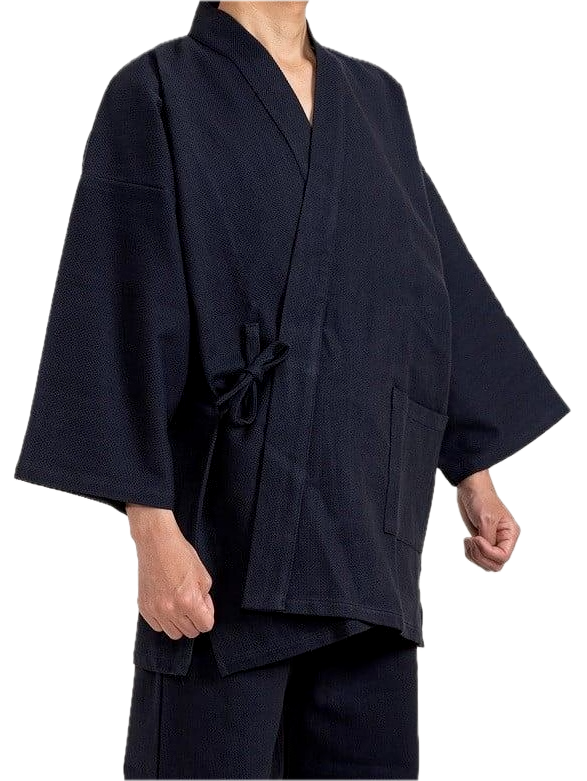
Samue Guide — Zen Monk Workwear
Originally worn by Zen monks during temple labor, the samue is a traditional Japanese garment for meditation, martial arts, temple work, homewear and mindful daily life.
- Samue Guide — Zen Monk Workwear
- What Is a Samue? — Complete Definition & Origins
- Which Samue Is Right for You? — Practical Buyer Guide
- Shop Japanese Samue

Haori Guide — Japanese Jackets for Men
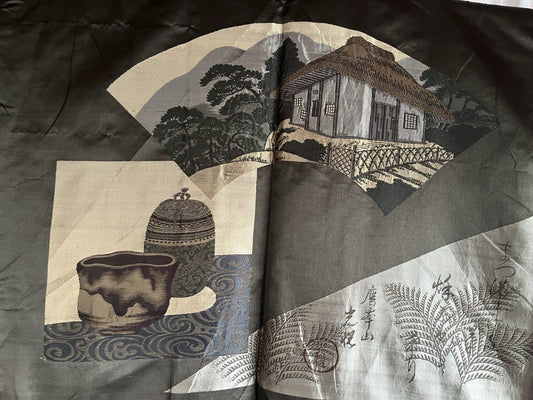
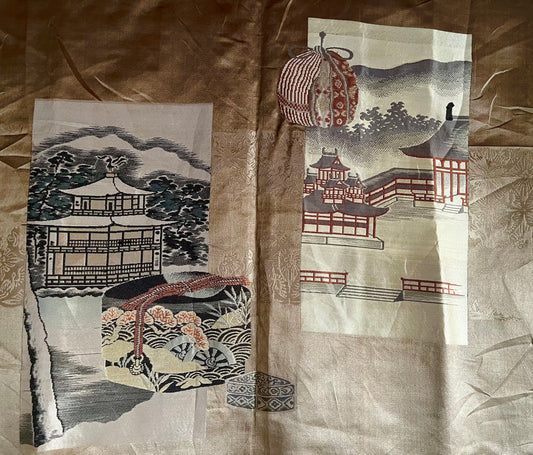
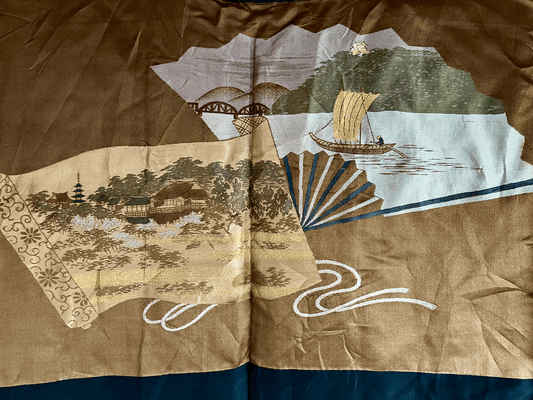
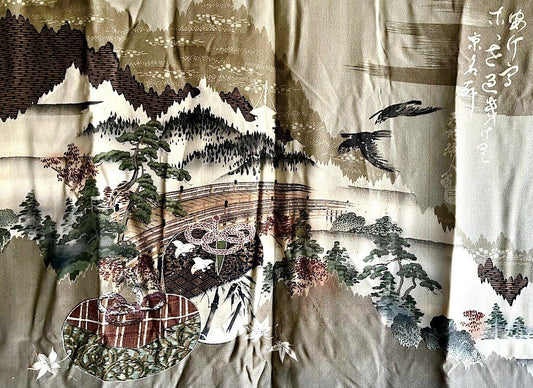
The haori is a traditional Japanese jacket appreciated for elegance, symbolism, formal style, antique value and modern versatility.
- Haori Guide — Japanese Jackets for Men
- How to Wear a Japanese Haori — Style Guide for Men
- The Complete Buying Guide to Men’s Antique Formal Haori
- Shop Men’s Antique Formal Haori

Hanten Guide — Traditional Winter / Summer Jacket
The hanten is a traditional Japanese jacket made for everyday comfort. Warm padded hanten are ideal for winter, while lighter hanten styles can be worn during spring, summer or mild weather as a relaxed and practical Japanese outerwear.
- Hanten Guide — Traditional Winter Jacket
- What Is a Japanese Hanten? — Complete Winter Guide for Men
- Hanten vs Haori vs Samue — How to Choose the Right Jacket
- Shop Japanese Hanten

Kimono Guide — Traditional Japanese Ceremonial Wear
The kimono is a refined expression of Japanese ceremony, season, textile art, formality and traditional beauty.
- Kimono Guide — Traditional Japanese Ceremonial Wear
- Yukata vs Kimono — Key Differences in Fabric, Season & Formality
- Shop Japanese Kimono

Yukata Guide — Japanese Summer Wear
The yukata is a light and accessible form of traditional Japanese clothing, worn during summer festivals, at ryokan, after bathing, at home and for relaxed seasonal comfort.
- Yukata Guide — Japanese Summer Wear
- What Is a Japanese Yukata? — History, Meaning & Modern Use
- Yukata vs Kimono — Key Differences in Fabric, Season & Formality
- Shop Japanese Yukata

Jinbei Guide — Japanese Lightweight Summer Set
The jinbei is a lightweight Japanese summer set for homewear, hot weather, children, festivals and relaxed daily comfort.
- Jinbei Guide — Japanese Lightweight Summer Set
- Samue vs Jinbei vs Haori — Differences & How to Choose
- Shop Japanese Jinbei

Ninjutsu Equipment
Traditional Ninjutsu equipment supports silent walking, natural movement, outdoor training, protection, weapons practice and disciplined martial study.
- Ninjutsu Equipment Guide — Traditional Ninja Gear for Training
- Shinobi Shōzoku Guide — Coming soon
- NinjutsuGi Guide — Coming soon
- Tabi Guide — Coming soon
- Jikatabi Guide — Coming soon
- Tekko & Kyahan Guide — Coming soon
- Weapons Guide — Coming soon
-
Books & DVD Guide — Coming soon
- Shop Ninjutsu Equipment

Martial Arts Gear
Japanese martial arts equipment supports posture, discipline, safety, movement, durability and correct practice across Karate, Judo, Aikido, Iaido, Kendo, Bujutsu and traditional training.
- Martial Arts Gear / Equipment Guide — Japanese Budo Training Equipment
- Karate Gi Guide — Coming soon
- Judo Gi Guide — Coming soon
- Aikido Uniform Guide — Coming soon
- Iaido & Kendo Guide — Coming soon
- Shop Martial Arts Gear

Mikkyo & Shugendō
Japanese esoteric Buddhist and Shugendō supplies support meditation, mantra recitation, purification, offering, ritual posture and mountain practice.
- Mikkyo Gear Guide — Japanese Esoteric Buddhist, Shingon & Shugendō Supplies
- Kolomo Guide — Coming soon
- Zafu & Zabuton Guide — Coming soon
- Incense Guide — Coming soon
- Juzu Bracelet Guide — Coming soon
- Nenju Guide — Coming soon
- Shugendō Gear Guide — Coming soon
- Shop Mikkyo & Shugendō Supplies

BujindoShop Buyer Guide Mission
This guide is designed to help each buyer understand the meaning, function and correct use of traditional Japanese clothing, martial arts equipment and spiritual practice supplies. Each section connects cultural knowledge, practical selection, sizing, materials, care and respectful use.
May your choice support both your outer discipline and your inner path.
-
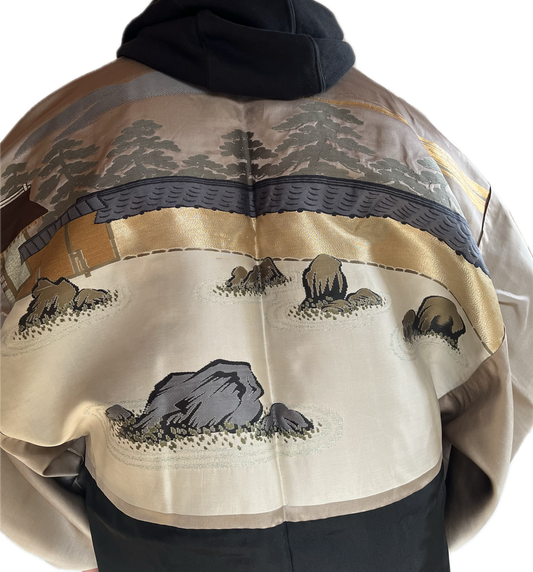
Men's Japanese Haori Black Silk Umebachi Montsuki Zen Garden of Ryoanji Temple, Kyoto
Regular price Dhs. 1,381.00Regular priceDhs. 1,842.00Sale price Dhs. 1,381.00PROMO -
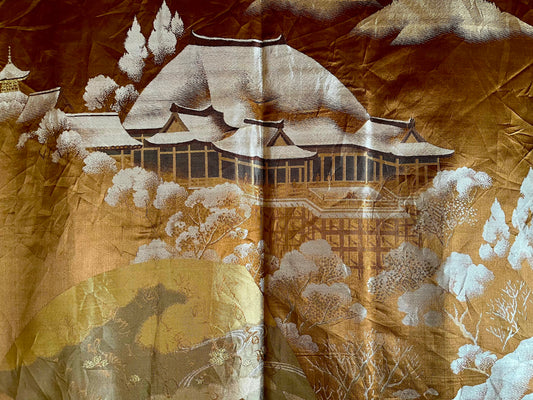
Men’s Antique Haori – Black Silk Kikyo Montsuki Kyomizudera
Regular price Dhs. 1,381.00Regular priceDhs. 1,611.00Sale price Dhs. 1,381.00PROMO -
Antique Men’s Haori Jacket - Zen Garden of Ryoanji Temple, Kyoto (Deluxe Edition)
Regular price Dhs. 1,379.00Regular priceDhs. 1,840.00Sale price Dhs. 1,379.00PROMO -
Men’s Antique Japanese Haori – Black Silk Tsuru Montsuki with Golden Samurai Helmet (Kabuto)
Regular price Dhs. 1,345.00Regular priceDhs. 1,437.00Sale price Dhs. 1,345.00PROMO -
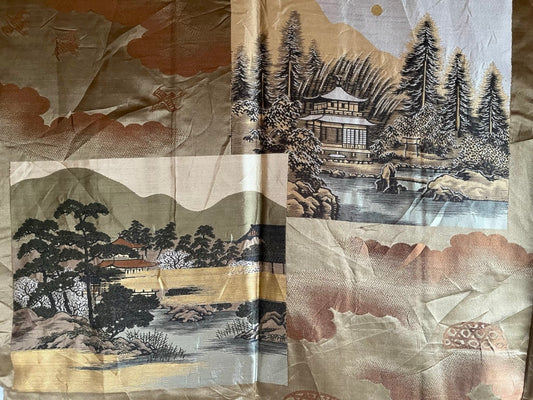
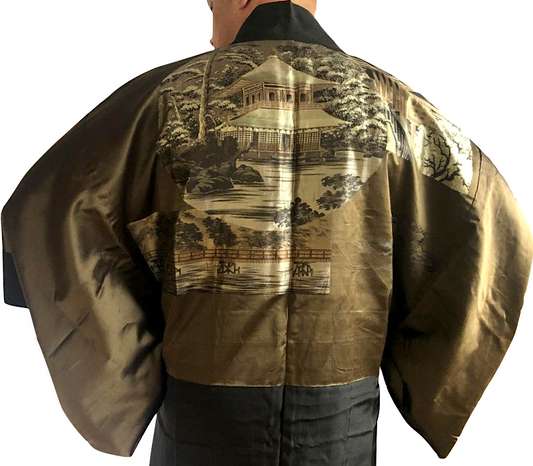
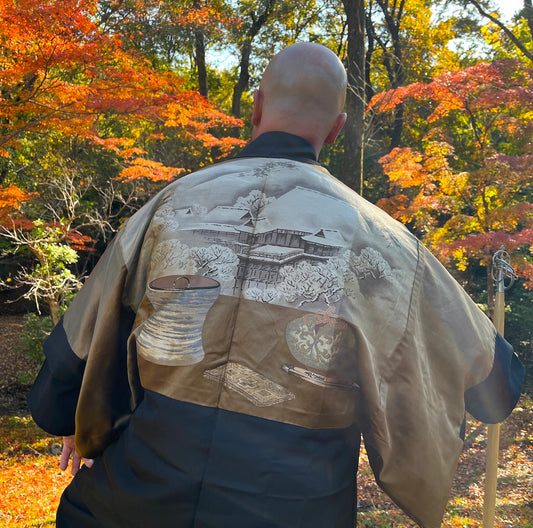
Men’s Haori Antique - Black Silk Dakimyoga Montsuki Temple Ginkakuji & Kinkakuji Kyoto
Regular price Dhs. 1,242.00Regular priceDhs. 1,611.00Sale price Dhs. 1,242.00PROMO -
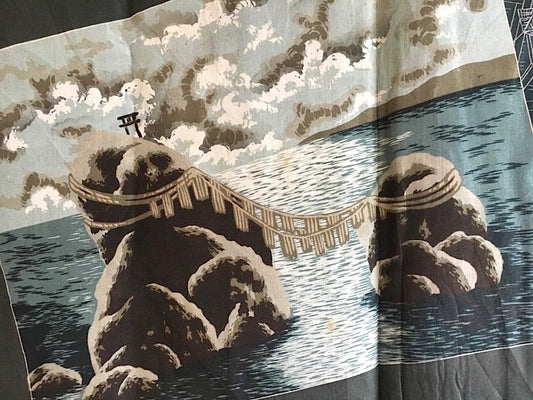
Men’s Japanese Haori Black Silk Katabami Montsuki Meoto Iwa Ise
Regular price Dhs. 1,233.00Regular priceDhs. 1,383.00Sale price Dhs. 1,233.00PROMO -
Antique Men’s Haori - Black Silk Montsuki Ginkakuji & Arashiyama Pattern Made in Japan
Regular price Dhs. 1,151.00Regular priceDhs. 1,345.00Sale price Dhs. 1,151.00PROMO -
Men’s Haori Black Silk Mokkou Montsuki Kyomizu Dera Kyoto
Regular price Dhs. 1,121.00Regular priceDhs. 1,383.00Sale price Dhs. 1,121.00PROMO -
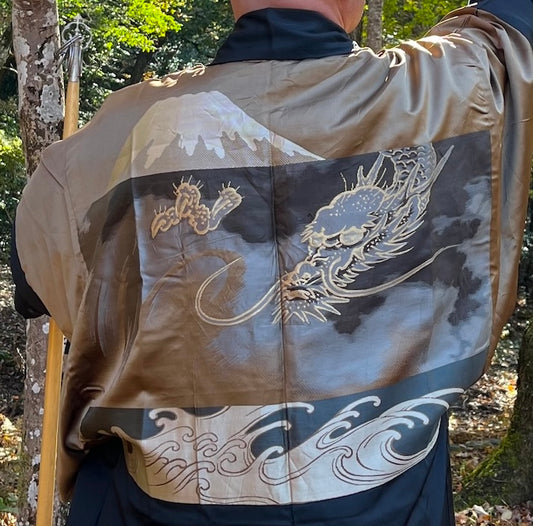
Men’s Haori Black Silk Katabami Montsuki Fuji & Dragon RYU
Regular price Dhs. 1,121.00Regular priceDhs. 1,383.00Sale price Dhs. 1,121.00PROMO -
Japanese Men's Formal Haori Black Silk Futatsu Hiki MonTsuki Japan Paris Art Style
Regular price Dhs. 1,034.00Regular priceDhs. 1,293.00Sale price Dhs. 1,034.00PROMO -
Men’s Vintage Haori Black SilK Samurai Crest Botan Kuyo
Regular price Dhs. 738.00Regular priceDhs. 821.00Sale price Dhs. 738.00PROMO -
Men’s Antique Haori – Black Silk Futatsu Hiki Montsuki – Sansui Gaden
Regular price Dhs. 688.00Regular priceDhs. 919.00Sale price Dhs. 688.00PROMO -
Men’s Antique Black Silk Haori Sumitate Yotsume Montsuki Toshogu Yomeimon Nikko
Regular price Dhs. 896.00Regular priceDhs. 1,342.00Sale price Dhs. 896.00PROMO -
Men's Haori – Black Silk Kenkatabami Montsuki – Shinto Shrine
Regular price Dhs. 596.00Regular priceDhs. 923.00Sale price Dhs. 596.00Sold out -
Antique Japanese Haori Black Silk Montsuki with Mitsukashiwa Crests Hunting Scene
Regular price Dhs. 596.00Regular priceDhs. 919.00Sale price Dhs. 596.00Sold out -
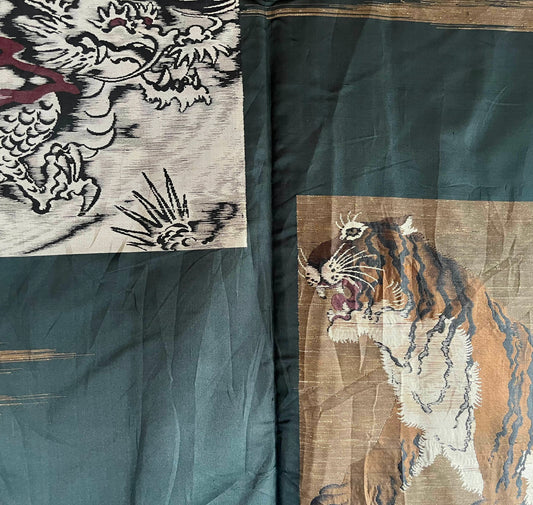
Men's Antique Japanese Haori Jacket Black Silk Mokkou Montsuki Dragon VS Tiger
Regular price Dhs. 896.00Regular priceDhs. 1,345.00Sale price Dhs. 896.00PROMO -
Men's Haori Black Silk Mokkou Montsuki The SkyCastle "Takeda-Jo " Made in Japan
Regular price Dhs. 870.00Regular priceDhs. 933.00Sale price Dhs. 870.00PROMO -
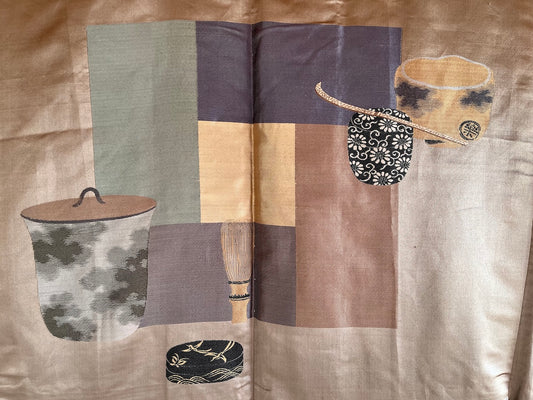
Men’s Antique Haori Black Silk Takanohane Montsuki SADO (Tea Ceremony)
Regular price Dhs. 877.00Regular priceDhs. 1,102.00Sale price Dhs. 877.00PROMO -
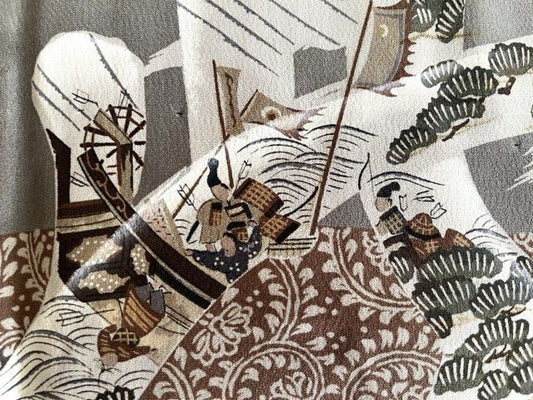
Men's Antique Samurai Haori Black Silk Monstuki– Busho no Ikusa
Regular price Dhs. 919.00Regular priceDhs. 1,381.00Sale price Dhs. 919.00PROMO -
Men's Haori antique - Agarifuji Montsuki Tiger VS Dragon
Regular price Dhs. 919.00Regular priceDhs. 1,334.00Sale price Dhs. 919.00PROMO -
Antique Japanese Men’s Haori - Black Silk Katabami Montsuki with Horyuji Temple
Regular price Dhs. 525.00Regular priceDhs. 686.00Sale price Dhs. 525.00Sold out -
Men’s Antique Traditional Japanese Haori Black Silk Montsuki OchaWashitsu
Regular price Dhs. 919.00Regular priceDhs. 1,519.00Sale price Dhs. 919.00PROMO -
Men’s Antique Japanese Haori Tachibana Montsuki Kinkakuji & Jinja Kyoto
Regular price Dhs. 873.00Regular priceDhs. 1,334.00Sale price Dhs. 873.00PROMO -
Men’s Japanese Haori – Black Silk Katabami Montsuki Kyomizudera Temple & Himeji Castle
Regular price Dhs. 873.00Regular priceDhs. 1,334.00Sale price Dhs. 873.00PROMO -
Men’s Antique Haori – Black Silk Tachibana Montsuki – Aki no Nihon Fūkei
Regular price Dhs. 577.00Regular priceDhs. 772.00Sale price Dhs. 577.00Sold out