
Samue Fabrics Explained — Cotton, Linen (Asa), Sashiko & Modern Weaves
Samue Fabrics Explained — Cotton, Linen (Asa), Sashiko & Modern Weaves

Choosing the right samue fabric is the fastest way to get the comfort, drape, and durability you expect from authentic Japanese workwear. A samue (作務衣) was originally designed for samu (作務)—practical temple work—so the fabric matters as much as the cut.
In this guide, you’ll learn the differences between cotton samue, cotton denim samue, linen (asa 麻) blends, sashiko-style weaves, and polyester—plus how to choose the best samue fabric for daily wear, meditation, martial arts practice, and each season.
Quick Answer (AEO / Featured Snippet)
The best samue fabric depends on your use and season: cotton is the most versatile all-year choice, linen (asa) blends are ideal for summer heat and humidity, sashiko weaves are thicker and more durable for cooler weather, and polyester offers wrinkle-free convenience for travel and easy care.
Samue Fabric at a Glance: Which One Should You Choose?
| Fabric | Best for | Feel & Drape | Season | Key advantage |
|---|---|---|---|---|
| Cotton | Daily wear, meditation, all-purpose | Soft, breathable, natural comfort | All year | Best balance of comfort & durability |
| Cotton Denim | Workwear feel, urban wear, durable use | Structured, robust, “work jacket” vibe | All year (best in cooler months) | More structure & long-lasting wear |
| Cotton-Linen (Asa) | Summer, humidity, travel in Japan | Crisper, airy, fast drying | Spring–Summer | Cooler feel in heat & humidity |
| Sashiko Weave | Durability, warmth, structured drape | Thick, textured, premium workwear | Autumn–Winter | Heavy-duty fabric & strong presence |
| Polyester | Wrinkle-free, easy care, travel | Smooth, light, low maintenance | All year (indoor use) | Practical convenience & easy upkeep |

1) Cotton Samue: The Best All-Around Choice
A cotton samue is the classic option for a reason: cotton is breathable, comfortable against the skin, and reliable across most seasons. It’s typically the best choice if you want one samue for daily wear, Zen meditation, and relaxed practice.
- Why choose cotton: natural feel, balanced warmth, good durability.
- Best for: everyday comfort, mindfulness routines, light dojo use.
- What to look for: solid weave, clean stitching, stable drape (not too thin).
Shop Cotton Samue (Made in Japan)

2) Cotton Denim Samue: A Strong Workwear Feel
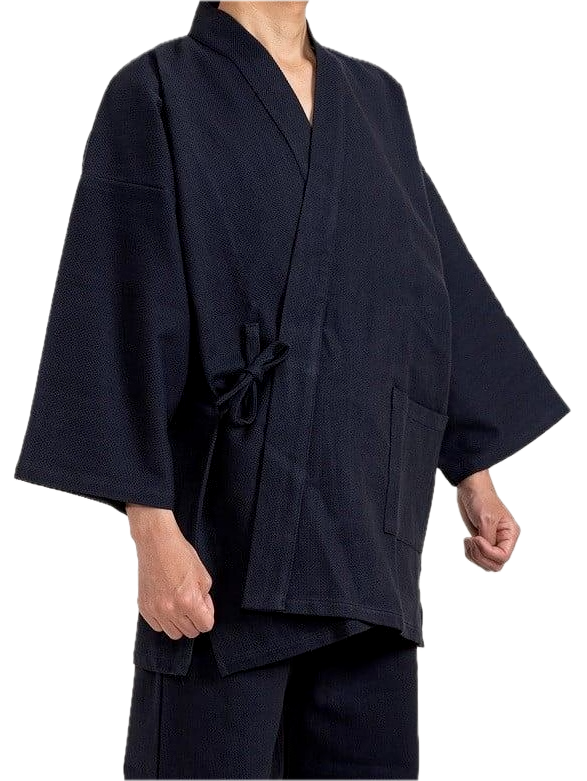
A cotton denim samue keeps the samue silhouette but adds a more structured, robust fabric. It’s an excellent choice if you want a samue that feels closer to traditional Japanese workwear—durable, practical, and suitable for frequent use.
- Why choose cotton denim: structure, durability, “work jacket” presence.
- Best for: daily wear, crafts, studio work, cooler months.
- Note: denim usually feels warmer and heavier than standard cotton.
Shop Cotton Denim Samue (Made in Japan)
Men’s Japanese Samue Set — Black Cotton Denim Workwear, Made in Japan

3) Cotton-Linen Samue (Asa 麻): Cool, Airy, Summer-Ready
Linen is known in Japan as asa (麻). A cotton-linen samue combines the comfort of cotton with the crisp breathability of linen. This fabric choice is especially popular in warm, humid climates—perfect for summer in Japan.
- Why choose cotton-linen: airflow, fast drying, cooler feel on the skin.
- Best for: summer, travel, hot rooms, daily wear in humidity.
- Expect: a slightly crisper texture than pure cotton.
Shop Cotton-Linen Samue (Made in Japan)
Deluxe Japanese Samue for Men — Cotton & Linen (Asa), Made in Japan (6 Colors)

4) Sashiko Samue: Thick, Textured, and Built to Last
Sashiko refers to traditional Japanese reinforcement stitching and, in modern textiles, often describes a thicker, textured weave inspired by that tradition. A sashiko samue typically feels more substantial, offering durability and a strong, premium workwear presence.

- Why choose sashiko: durability, warmth, structure, long-term wear.
- Best for: autumn/winter, cooler climates, those who want a heavier samue.
- Style note: sashiko textures look especially elegant in indigo tones.
Shop Sashiko Samue (Made in Japan)
Deluxe Sashiko Atsuori Samue — Premium Cotton, Made in Japan

5) Polyester Samue: Wrinkle-Free Convenience (and When It Makes Sense)
While traditional samue is typically cotton or linen, a polyester samue can be a practical option when you prioritize easy care, wrinkle resistance, and quick drying. For some people—especially for travel or indoor use—this convenience is exactly what they need.
- Why choose polyester: wrinkle-free, lightweight, fast drying, low maintenance.
- Best for: travel, indoor use, frequent washing, easy packing.
- Note: polyester often feels less “natural” than cotton/linen and may be warmer in humid heat.
Shop Polyester Samue (Made in Japan)
Women’s Japanese Samue Set — Polyester, Wrinkle-Free, Made in Japan
How to Choose the Best Samue Fabric (By Season & Use)
Simple selection rules
- One samue for everything: choose cotton.
- Hot weather or humid climate: choose cotton-linen (asa).
- Cool seasons and durability: choose sashiko or cotton denim.
- Travel and easy care: choose polyester.
Common Mistakes to Avoid When Buying a Samue
- Choosing fabric without considering climate: heavy weaves can feel uncomfortable in humid summer weather.
- Buying “samue” that feels like costume clothing: overly shiny fabrics and weak stitching are red flags.
- Ignoring drape and mobility: a samue should feel comfortable sitting, kneeling, and moving naturally.
- Not checking real measurements: always use a size guide with garment measurements, not “one size fits all.”
Samue Fabric FAQ
What is the best fabric for a samue?
For most people, cotton is the best samue fabric because it balances comfort, breathability, and durability across seasons. In summer, cotton-linen (asa) is often more comfortable.
Is linen (asa) samue good for summer in Japan?
Yes. Linen (asa) is excellent for summer because it offers airflow, dries quickly, and feels cooler in heat and humidity.
Is sashiko samue warmer than cotton?
Typically, yes. Sashiko-style weaves are thicker and more structured, which often makes them warmer and more protective in cooler seasons.
Shop Authentic Samue Fabrics — Made in Japan

If you want the right samue fabric for your season and lifestyle, explore our Made in Japan selection:
- Cotton Samue — Deluxe Momen (Made in Japan)
- Cotton Denim Samue — Black Workwear (Made in Japan)
- Cotton-Linen (Asa) Samue — Yoryu Muji (Made in Japan)
- Sashiko Samue — Atsuori Premium Cotton (Made in Japan)
- Polyester Samue — Wrinkle-Free (Made in Japan)
Want help choosing? Start with your climate and main use (meditation, daily wear, travel, or dojo practice), then match the fabric accordingly.
-
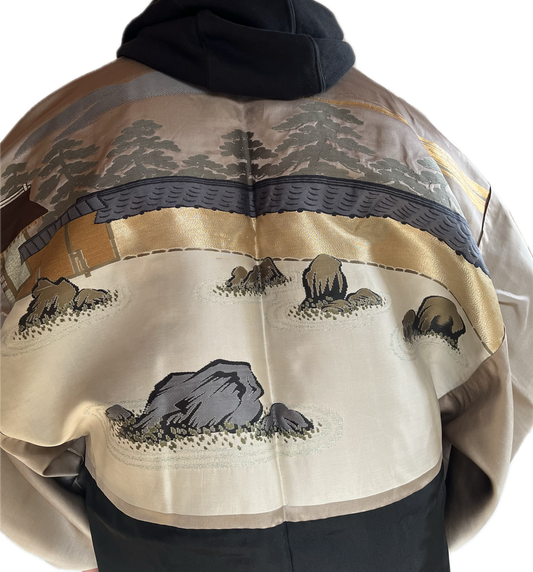
Men's Japanese Haori Black Silk Umebachi Montsuki Zen Garden of Ryoanji Temple, Kyoto
Regular price $368.40Regular price$491.61Sale price $368.40PROMO -
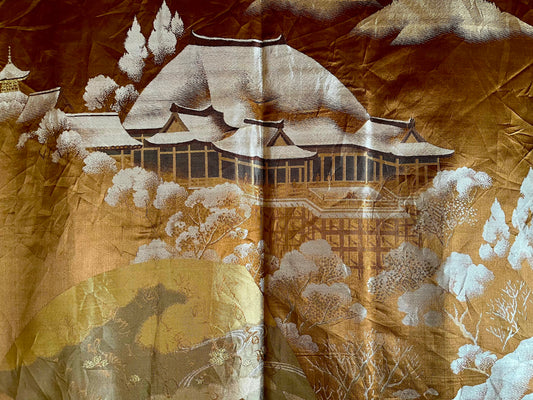
Men’s Antique Haori – Black Silk Kikyo Montsuki Kyomizudera
Regular price $368.40Regular price$430.00Sale price $368.40PROMO -
Antique Men’s Haori Jacket - Zen Garden of Ryoanji Temple, Kyoto (Deluxe Edition)
Regular price $368.00Regular price$491.00Sale price $368.00PROMO -
Men’s Antique Japanese Haori – Black Silk Tsuru Montsuki with Golden Samurai Helmet (Kabuto)
Regular price $359.00Regular price$383.42Sale price $359.00PROMO -
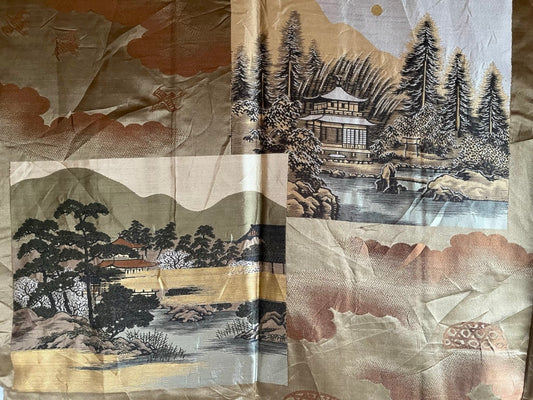
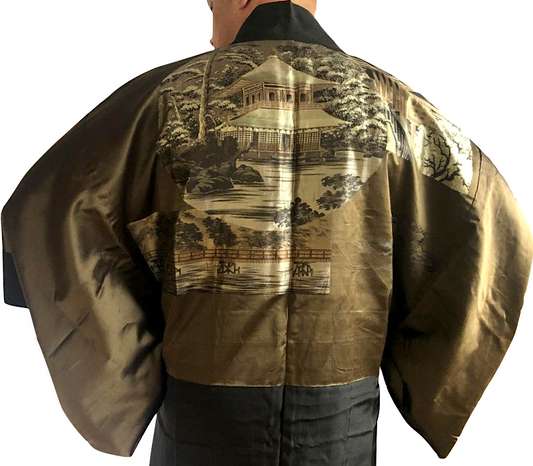
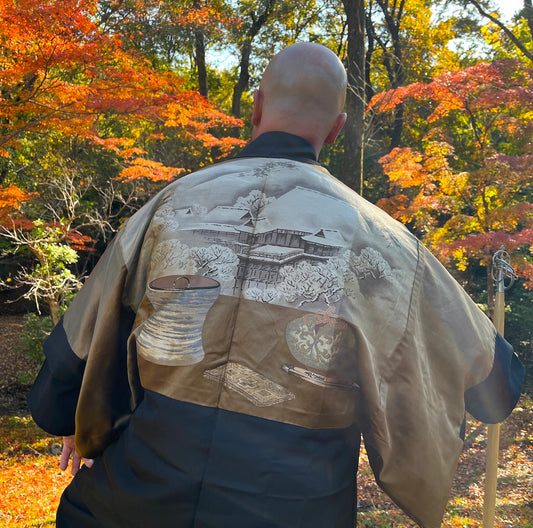
Men’s Haori Antique - Black Silk Dakimyoga Montsuki Temple Ginkakuji & Kinkakuji Kyoto
Regular price $331.43Regular price$430.00Sale price $331.43PROMO -
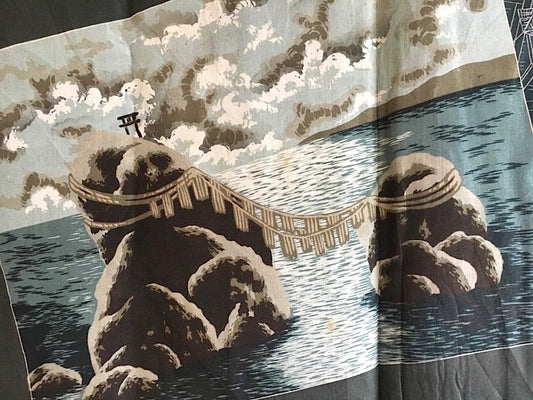
Men’s Japanese Haori Black Silk Katabami Montsuki Meoto Iwa Ise
Regular price $329.00Regular price$369.00Sale price $329.00PROMO -
Antique Men’s Haori - Black Silk Montsuki Ginkakuji & Arashiyama Pattern Made in Japan
Regular price $307.00Regular price$359.00Sale price $307.00PROMO -
Men’s Haori Black Silk Mokkou Montsuki Kyomizu Dera Kyoto
Regular price $299.00Regular price$369.00Sale price $299.00PROMO -
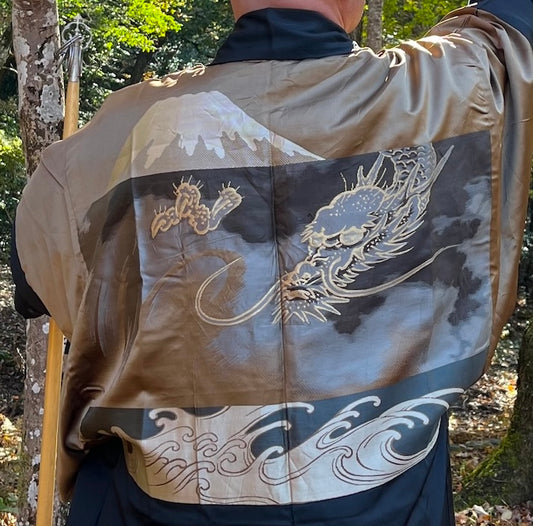
Men’s Haori Black Silk Katabami Montsuki Fuji & Dragon RYU
Regular price $299.00Regular price$369.00Sale price $299.00PROMO -
Japanese Men's Formal Haori Black Silk Futatsu Hiki MonTsuki Japan Paris Art Style
Regular price $276.00Regular price$345.00Sale price $276.00PROMO -
Men’s Vintage Haori Black SilK Samurai Crest Botan Kuyo
Regular price $197.00Regular price$219.00Sale price $197.00PROMO -
Men’s Antique Haori – Black Silk Futatsu Hiki Montsuki – Sansui Gaden
Regular price $183.58Regular price$245.19Sale price $183.58PROMO -
Men’s Antique Black Silk Haori Sumitate Yotsume Montsuki Toshogu Yomeimon Nikko
Regular price $239.00Regular price$358.00Sale price $239.00PROMO -
Men's Haori – Black Silk Kenkatabami Montsuki – Shinto Shrine
Regular price $158.94Regular price$246.19Sale price $158.94Sold out -
Antique Japanese Haori Black Silk Montsuki with Mitsukashiwa Crests Hunting Scene
Regular price $158.90Regular price$245.19Sale price $158.90Sold out -
Men's Antique Japanese Haori Jacket Black Silk Mokkou Montsuki Dragon VS Tiger
Regular price $239.00Regular price$359.00Sale price $239.00PROMO -
Men's Haori Black Silk Mokkou Montsuki The SkyCastle "Takeda-Jo " Made in Japan
Regular price $232.00Regular price$249.00Sale price $232.00PROMO -
Men’s Antique Haori Black Silk Takanohane Montsuki SADO (Tea Ceremony)
Regular price $234.00Regular price$294.00Sale price $234.00PROMO -
Men's Antique Samurai Haori Black Silk Monstuki– Busho no Ikusa
Regular price $245.19Regular price$368.40Sale price $245.19PROMO -
Men's Haori antique - Agarifuji Montsuki Tiger VS Dragon
Regular price $245.19Regular price$356.08Sale price $245.19PROMO -
Antique Japanese Men’s Haori - Black Silk Katabami Montsuki with Horyuji Temple
Regular price $140.00Regular price$183.00Sale price $140.00PROMO -
Men’s Antique Traditional Japanese Haori Black Silk Montsuki OchaWashitsu
Regular price $245.19Regular price$405.36Sale price $245.19PROMO -
Men’s Antique Japanese Haori Tachibana Montsuki Kinkakuji & Jinja Kyoto
Regular price $232.87Regular price$356.08Sale price $232.87PROMO -
Men’s Japanese Haori – Black Silk Katabami Montsuki Kyomizudera Temple & Himeji Castle
Regular price $232.87Regular price$356.08Sale price $232.87PROMO -
Men’s Antique Haori – Black Silk Tachibana Montsuki – Aki no Nihon Fūkei
Regular price $154.00Regular price$206.00Sale price $154.00Sold out