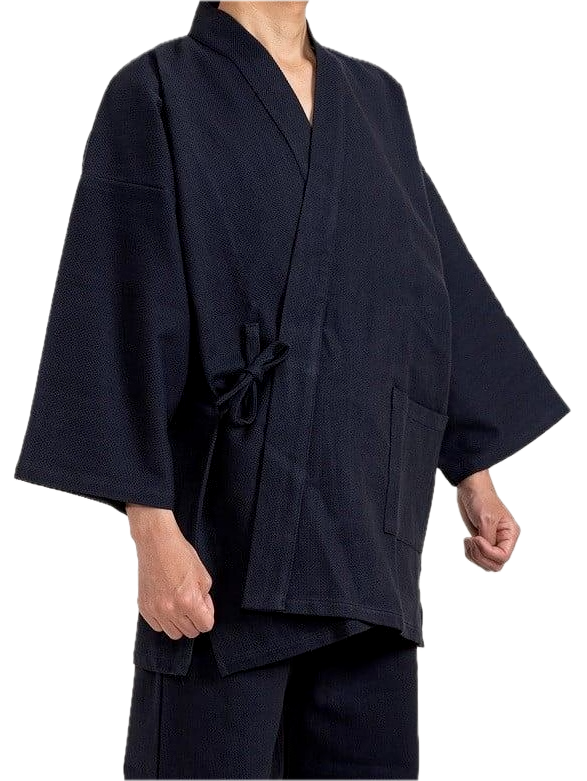

Samue vs Jinbei vs Haori — What Are the Differences & Which One Should You Choose?
Samue vs Jinbei vs Haori — What Are the Differences & Which One Should You Choose?

Japanese traditional clothing offers a wide variety of garments designed for comfort, function, and cultural expression. Among the most commonly misunderstood pieces are the Samue, the Jinbei, and the Haori.
Although they may appear similar to the untrained eye, these three garments serve very different purposes, originate from distinct cultural contexts, and are worn in specific situations. Choosing the wrong one can lead to discomfort or an unsuitable use, while choosing the right one can dramatically enhance your daily comfort, meditation practice, or personal style.
This guide explains the key differences between Samue, Jinbei, and Haori, and helps you determine which garment best suits your needs — whether for Zen meditation, martial arts, daily comfort, or traditional elegance.
You can explore each collection here:
• Samue Collection
• Jinbei Collection
• Haori Collection

Quick Comparison: Samue vs Jinbei vs Haori
| Feature | Samue | Jinbei | Haori |
|---|---|---|---|
| Original Use | Zen monk workwear | Casual home & summer wear | Formal outer jacket |
| Structure | Jacket + trousers | Short jacket + shorts | Open jacket |
| Season | All seasons (fabric dependent) | Summer | All seasons (layering) |
| Formality | Functional / casual | Very casual | Formal to semi-formal |
| Best For | Meditation, work, comfort | Home, heat, relaxation | Style, tradition, elegance |

What Is a Samue?
The Samue (作務衣) is a traditional Japanese garment originally worn by Zen Buddhist monks during daily temple work known as samugyō (作務). Designed for physical activity, meditation, and long hours of movement, the samue emphasizes freedom of motion, durability, and simplicity.
Origin & Cultural Background
Historically, samue were utilitarian garments made for monks engaged in cleaning, gardening, cooking, and meditation. Unlike ceremonial robes, samue were practical, modest, and easy to wear — perfectly aligned with Zen principles of humility and mindfulness.
Over time, samue evolved beyond temple walls and became popular among artisans, martial artists, and individuals seeking comfort rooted in Japanese tradition.
What Samue Is Best Suited For
- Zen meditation and mindfulness practice
- Martial arts warm-ups and light training
- Daily home wear and relaxed lifestyle
- Traditional Japanese workwear aesthetics
Typical Fabrics & Fit
Samue are typically made from cotton in various weights. Lightweight fabrics are suitable for warmer months, while thicker or lined samue provide comfort in cooler seasons. The fit is relaxed, allowing unrestricted movement while maintaining a structured silhouette.
🛍️ Explore Authentic Japanese Samue

What Is a Jinbei?
The Jinbei (甚平) is a lightweight, two-piece Japanese garment traditionally worn during summer. It consists of a short-sleeved top and matching shorts, designed specifically for maximum ventilation and comfort in hot weather.
Origin & Cultural Background
Jinbei originated as casual indoor wear and later became popular at summer festivals and relaxed outdoor gatherings. Its design reflects the Japanese adaptation to humid climates, prioritizing airflow and ease of movement.
What Jinbei Is Best Suited For
- Summer loungewear at home
- Hot and humid climates
- Casual outdoor activities
- Traditional summer festivals
Typical Fabrics & Fit
Jinbei are made from lightweight cotton or breathable textiles. The loose cut and short length make them unsuitable for cold weather but ideal for summer relaxation.

What Is a Haori?
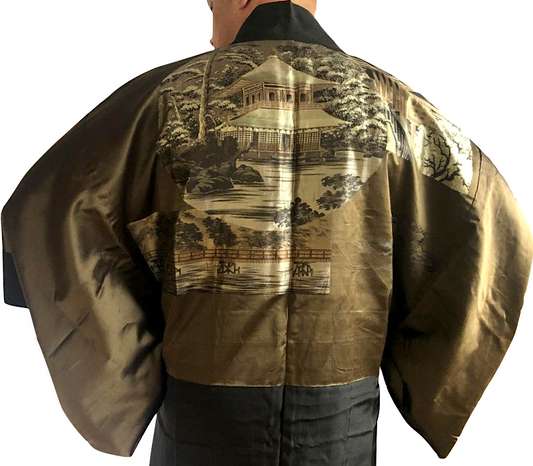
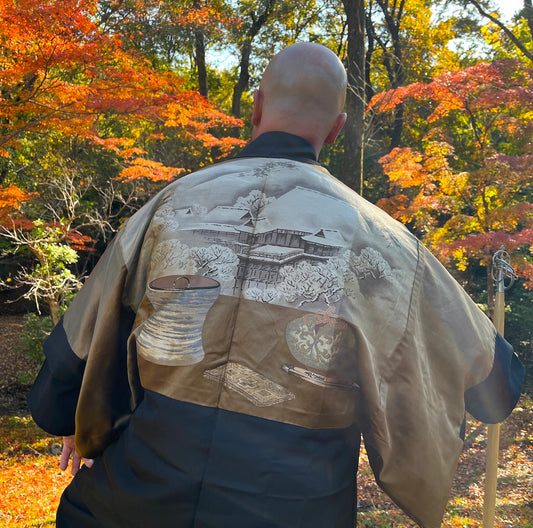
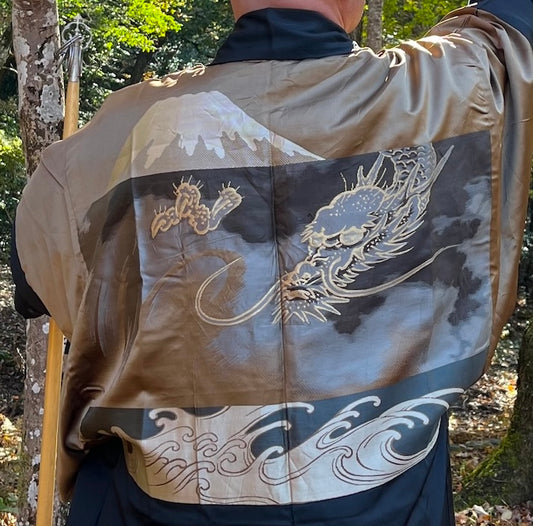
The Haori (羽織) is a traditional Japanese jacket worn over a kimono. Unlike samue or jinbei, the haori is not workwear but an outer garment associated with elegance, status, and cultural refinement.
Origin & Cultural Background
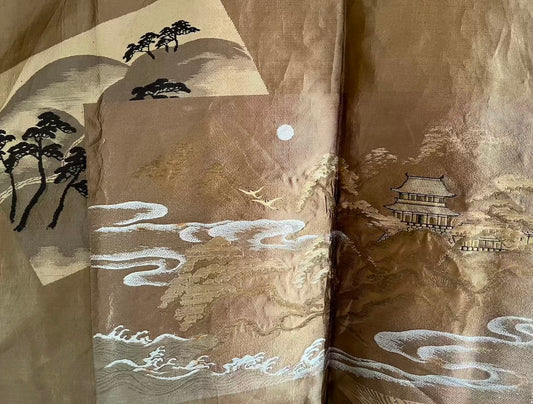
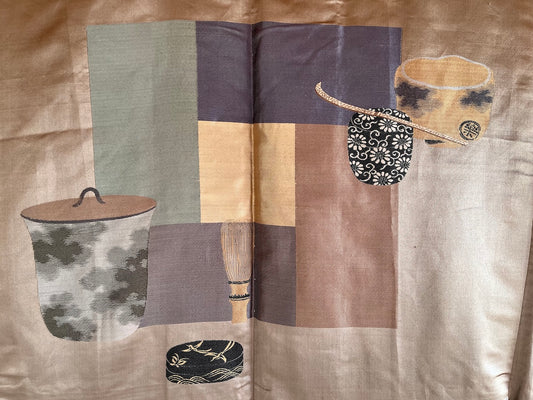
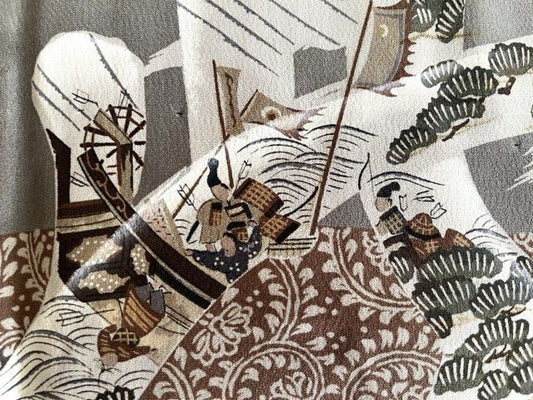
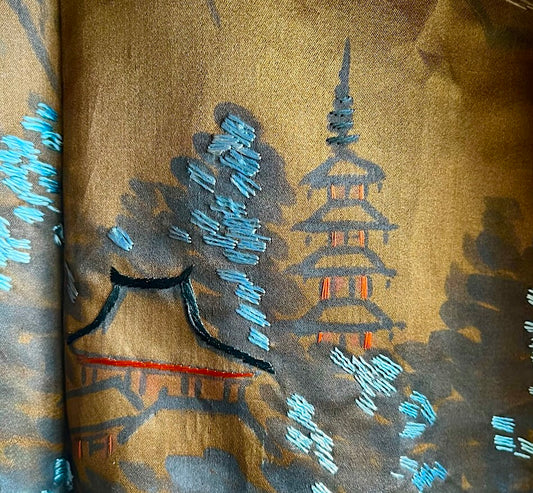
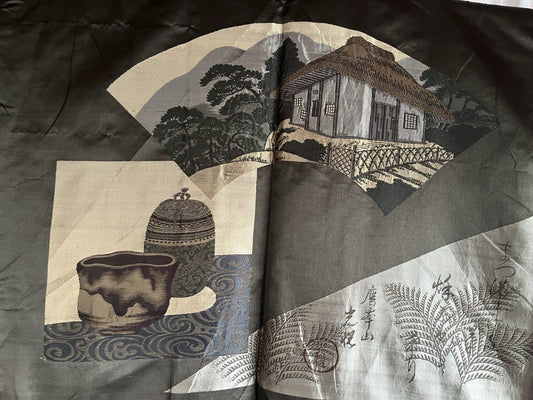
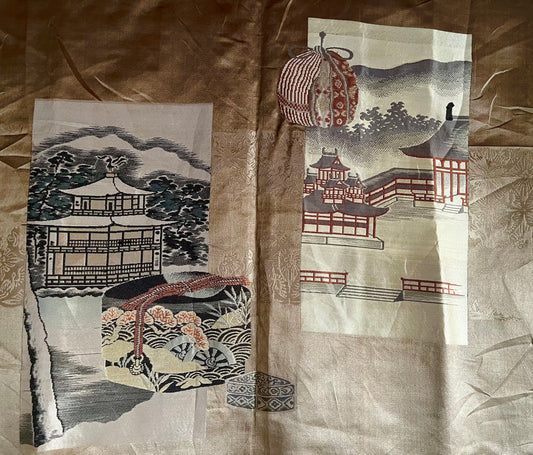
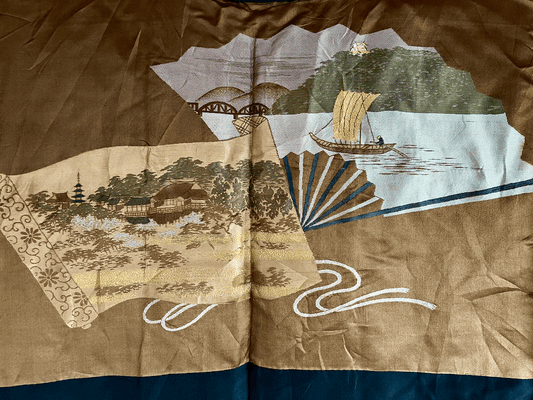
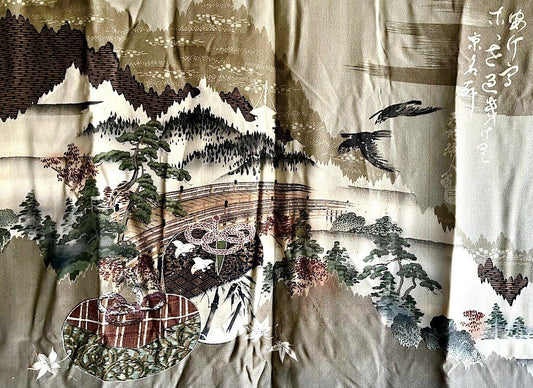
Originally worn by samurai during the Edo period, the haori evolved into a versatile garment used by men for formal and semi-formal occasions. Some haori feature family crests (kamon) and are classified as montsuki haori, indicating higher formality.
What Haori Is Best Suited For
- Layering over kimono or modern outfits
- Formal or cultural occasions
- Collectors of antique Japanese clothing
- Modern styling with traditional roots
Typical Fabrics & Fit
Haori are crafted from silk, wool, or cotton, depending on season and formality. The cut is open and structured, designed to enhance presence rather than mobility.

Samue vs Jinbei vs Haori — Side-by-Side Comparison
Comfort & Daily Use
When it comes to everyday comfort, each garment serves a different purpose.
- Samue offer the best balance between comfort and structure. They can be worn all day, indoors or outdoors, while maintaining a traditional appearance.
- Jinbei are the most relaxed option, ideal for hot weather and short periods of casual wear, but less versatile outside the home.
- Haori are not designed for comfort alone, but for visual presence and layering over other garments.
Freedom of Movement & Activity
Movement is a key factor depending on your intended use.
- Samue provide excellent freedom of movement, making them suitable for meditation, light martial practice, and daily activities.
- Jinbei allow very easy movement but offer little protection or structure.
- Haori are designed for standing, walking, and presentation rather than physical activity.
Seasonal Use
- Samue can be worn year-round depending on fabric thickness.
- Jinbei are best suited exclusively for summer.
- Haori can be worn in all seasons as an outer layer, depending on material.
Cultural Context & Formality
- Samue represent functional tradition rooted in Zen practice.
- Jinbei are informal garments with no ceremonial role.
- Haori carry strong cultural and historical symbolism, especially when featuring family crests.

Which One Should You Choose?
For Zen Meditation & Mindfulness Practice
Samue are the most appropriate choice. Their relaxed fit, breathable fabric, and historical association with Zen practice make them ideal for meditation and mindful daily routines.
🛍️ Choose a Samue for Meditation
For Summer Comfort & Home Wear
If you live in a hot or humid climate and prioritize ventilation and ease, Jinbei are the best option. They are light, breathable, and extremely comfortable for summer relaxation.
For Style, Tradition & Layering
Choose a Haori if you are looking for elegance, cultural depth, and a refined outer garment. Haori can be worn over kimono or modern outfits to add a strong Japanese aesthetic.
For Martial Arts & Dojo Use
Samue are generally preferred for martial artists, especially for warm-ups, informal training, or dojo life. Jinbei may be used casually in summer but lack durability for regular practice.
Frequently Asked Questions — Samue vs Jinbei vs Haori
What is the main difference between a samue and a jinbei?
A samue consists of a jacket and trousers designed for work, meditation, and daily wear, while a jinbei is a lighter two-piece set with shorts, intended primarily for summer home use.
Can a samue be worn casually outside?
Yes. Modern samue are often worn casually outside the home, especially when made from durable cotton fabrics and styled appropriately.
Is a haori more formal than a samue?
Yes. A haori is traditionally an outer jacket worn over kimono and carries a higher level of formality and cultural symbolism than a samue.
Which garment is best for hot weather?
Jinbei are the best option for hot weather due to their lightweight fabric and ventilated design. Lightweight samue may also be suitable in warm climates.
Which one should beginners choose?
For most beginners, a samue is the most versatile choice, offering comfort, tradition, and a wide range of uses.

Conclusion — Choosing the Right Japanese Garment
Understanding the differences between Samue, Jinbei, and Haori allows you to make an informed decision that matches your lifestyle, climate, and cultural interest.
Whether you seek daily comfort, meditation-friendly clothing, summer relaxation, or refined traditional style, each garment offers a unique expression of Japanese heritage.
Explore our curated collections of authentic Japanese garments, crafted with respect for tradition and quality.
-
Men's Japanese Haori Black Silk Umebachi Montsuki Zen Garden of Ryoanji Temple, Kyoto
Regular price Dhs. 1,381.00Regular priceDhs. 1,842.00Sale price Dhs. 1,381.00PROMO -
Men’s Antique Haori – Black Silk Kikyo Montsuki Kyomizudera
Regular price Dhs. 1,381.00Regular priceDhs. 1,611.00Sale price Dhs. 1,381.00PROMO -
Antique Men’s Haori Jacket - Zen Garden of Ryoanji Temple, Kyoto (Deluxe Edition)
Regular price Dhs. 1,379.00Regular priceDhs. 1,840.00Sale price Dhs. 1,379.00PROMO -
Men’s Antique Japanese Haori – Black Silk Tsuru Montsuki with Golden Samurai Helmet (Kabuto)
Regular price Dhs. 1,345.00Regular priceDhs. 1,437.00Sale price Dhs. 1,345.00PROMO -
Men’s Haori Antique - Black Silk Dakimyoga Montsuki Temple Ginkakuji & Kinkakuji Kyoto
Regular price Dhs. 1,242.00Regular priceDhs. 1,611.00Sale price Dhs. 1,242.00PROMO -
Men’s Japanese Haori Black Silk Katabami Montsuki Meoto Iwa Ise
Regular price Dhs. 1,233.00Regular priceDhs. 1,383.00Sale price Dhs. 1,233.00PROMO -
Antique Men’s Haori - Black Silk Montsuki Ginkakuji & Arashiyama Pattern Made in Japan
Regular price Dhs. 1,151.00Regular priceDhs. 1,345.00Sale price Dhs. 1,151.00PROMO -
Men’s Haori Black Silk Mokkou Montsuki Kyomizu Dera Kyoto
Regular price Dhs. 1,121.00Regular priceDhs. 1,383.00Sale price Dhs. 1,121.00PROMO -
Men’s Haori Black Silk Katabami Montsuki Fuji & Dragon RYU
Regular price Dhs. 1,121.00Regular priceDhs. 1,383.00Sale price Dhs. 1,121.00PROMO -
Japanese Men's Formal Haori Black Silk Futatsu Hiki MonTsuki Japan Paris Art Style
Regular price Dhs. 1,034.00Regular priceDhs. 1,293.00Sale price Dhs. 1,034.00PROMO -
Men’s Vintage Haori Black SilK Samurai Crest Botan Kuyo
Regular price Dhs. 739.00Regular priceDhs. 821.00Sale price Dhs. 739.00PROMO -
Men’s Antique Haori – Black Silk Futatsu Hiki Montsuki – Sansui Gaden
Regular price Dhs. 688.00Regular priceDhs. 919.00Sale price Dhs. 688.00PROMO -
Men’s Antique Black Silk Haori Sumitate Yotsume Montsuki Toshogu Yomeimon Nikko
Regular price Dhs. 896.00Regular priceDhs. 1,342.00Sale price Dhs. 896.00PROMO -
Men's Haori – Black Silk Kenkatabami Montsuki – Shinto Shrine
Regular price Dhs. 596.00Regular priceDhs. 923.00Sale price Dhs. 596.00Sold out -
Antique Japanese Haori Black Silk Montsuki with Mitsukashiwa Crests Hunting Scene
Regular price Dhs. 596.00Regular priceDhs. 919.00Sale price Dhs. 596.00Sold out -
Men's Antique Japanese Haori Jacket Black Silk Mokkou Montsuki Dragon VS Tiger
Regular price Dhs. 896.00Regular priceDhs. 1,345.00Sale price Dhs. 896.00PROMO -
Men's Haori Black Silk Mokkou Montsuki The SkyCastle "Takeda-Jo " Made in Japan
Regular price Dhs. 870.00Regular priceDhs. 933.00Sale price Dhs. 870.00PROMO -
Men’s Antique Haori Black Silk Takanohane Montsuki SADO (Tea Ceremony)
Regular price Dhs. 877.00Regular priceDhs. 1,102.00Sale price Dhs. 877.00PROMO -
Men's Antique Samurai Haori Black Silk Monstuki– Busho no Ikusa
Regular price Dhs. 919.00Regular priceDhs. 1,381.00Sale price Dhs. 919.00PROMO -
Men's Haori antique - Agarifuji Montsuki Tiger VS Dragon
Regular price Dhs. 919.00Regular priceDhs. 1,334.00Sale price Dhs. 919.00PROMO -
Antique Japanese Men’s Haori - Black Silk Katabami Montsuki with Horyuji Temple
Regular price Dhs. 525.00Regular priceDhs. 686.00Sale price Dhs. 525.00Sold out -
Men’s Antique Traditional Japanese Haori Black Silk Montsuki OchaWashitsu
Regular price Dhs. 919.00Regular priceDhs. 1,519.00Sale price Dhs. 919.00PROMO -
Men’s Antique Japanese Haori Tachibana Montsuki Kinkakuji & Jinja Kyoto
Regular price Dhs. 873.00Regular priceDhs. 1,334.00Sale price Dhs. 873.00PROMO -
Men’s Japanese Haori – Black Silk Katabami Montsuki Kyomizudera Temple & Himeji Castle
Regular price Dhs. 873.00Regular priceDhs. 1,334.00Sale price Dhs. 873.00PROMO -
Men’s Antique Haori – Black Silk Tachibana Montsuki – Aki no Nihon Fūkei
Regular price Dhs. 577.00Regular priceDhs. 772.00Sale price Dhs. 577.00Sold out