Best Samue for Beginners — First Japanese Samue Buying Guide

Best Samue for Beginners — First Japanese Samue Buying Guide
Choosing your first Japanese samue can feel simple at first: a jacket, pants, traditional Japanese style, and comfort. But once you compare fabric, thickness, season, size, purpose, and price, the choice becomes more important. A good first samue should not only look authentic. It should match the way you will actually use it.
This beginner’s guide helps you choose the right samue for meditation, martial arts practice, homewear, temple work, gardening, travel, or daily Japanese lifestyle. Instead of listing every possible model, it focuses on one clear question: which samue is the safest and most useful first choice for you?

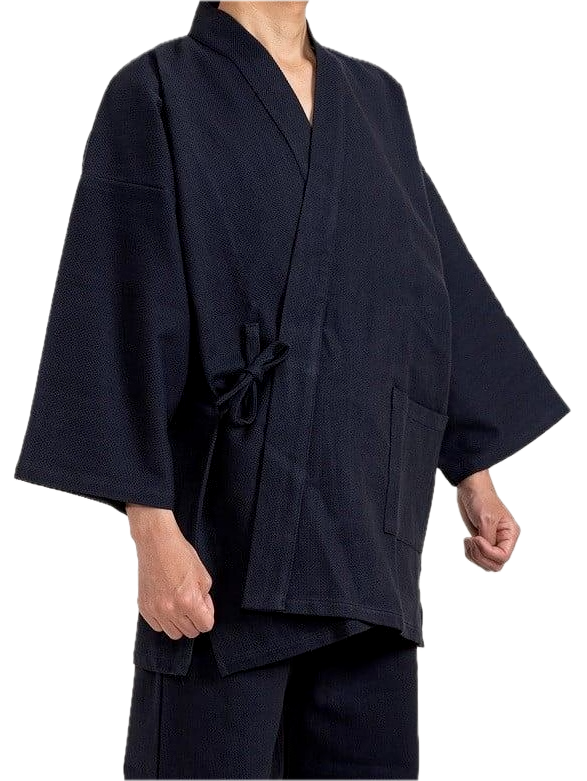
Quick Answer: For most beginners, the best first samue is a comfortable mid-weight cotton samue made in Japan. Cotton is breathable, easy to wear, natural on the skin, and suitable for meditation, homewear, light practice, and daily use. If you want only one samue to start with, choose a simple cotton model in black, navy, or dark blue.

1. What Makes a Good First Samue?
A beginner’s samue should be easy to wear, easy to understand, and easy to use often. Your first samue should not be too formal, too fragile, too seasonal, or too difficult to care for. The best first choice is usually the model you can wear many times without hesitation.
Before choosing by design, start with function. Ask yourself: will you wear your samue for Zen meditation, martial arts, relaxing at home, outdoor work, travel, or cultural events? The right answer depends less on appearance and more on comfort, fabric, and movement.

2. Choose by Purpose First
| Your Main Use | Best Beginner Choice | Why It Works |
|---|---|---|
| Zen meditation / Zazen | Soft cotton samue | Comfortable when sitting, breathable, calm and traditional. |
| Martial arts / Dojo life | Durable cotton or thicker cotton samue | Allows natural movement and has better resistance for regular use. |
| Homewear / Daily life | Mid-weight cotton samue | Simple, comfortable, easy to wear indoors and outdoors. |
| Summer use | Cotton-linen or lightweight cotton samue | More breathable in warm weather and easier to wear outside. |
| Winter use | Thicker cotton or winter samue | Warmer and more protective for cold rooms or outdoor work. |

3. The Safest First Choice: Cotton Samue
If this is your first samue, cotton is usually the safest choice. It feels natural, breathes well, and suits many situations. Cotton is also easier for beginners because it does not feel too formal or too delicate. You can wear it for meditation, relaxing, study, light training, calligraphy, gardening, or simple daily life.
A mid-weight cotton samue is especially practical because it can be worn during much of the year. In warm weather, wear it with a light inner layer. In cold weather, add an undershirt, a hanten jacket, or another warm layer. This makes it a strong first investment.

4. Black, Navy, or Blue: Which Color Should a Beginner Choose?
For a first samue, choose a color that is easy to wear often. Black, navy, and dark blue are the most versatile beginner choices.
- Black samue: sober, strong, suitable for martial arts, meditation, and formal simplicity.
- Navy blue samue: traditional, calm, easy to wear daily, and less severe than black.
- Dark blue samue: classic Japanese atmosphere, excellent for homewear, Zen practice, and crafts.
If you practice martial arts or want a more disciplined visual impression, black is a strong choice. If you want a softer traditional Japanese look for daily life, navy or dark blue may be easier to wear.
5. Do Not Choose Only by Size Label
One of the most common beginner mistakes is choosing a samue only by the usual size label: M, L, LL, or 3L. Japanese sizing can feel different from Western sizing, and each model may have its own fit.
For a better choice, check your height, chest, waist, hip, sleeve length, and preferred fit. A samue should allow you to sit, walk, bend, and move naturally. It should not feel tight around the shoulders, waist, or knees.
Beginner Tip: If you are between two sizes, choose according to your main use. For meditation and homewear, a slightly relaxed fit is more comfortable. For outdoor work or active movement, avoid excess fabric that may disturb movement.
6. Best Samue for Meditation Beginners
For meditation, the best beginner samue is soft, quiet, breathable, and comfortable when sitting. The fabric should not feel stiff behind the knees or tight around the hips. A calm color such as navy, dark blue, or black helps maintain a sober and focused atmosphere.
If your main practice is Zazen, choose comfort before thickness. You need a samue that disappears from your mind while you sit. The best meditation garment is not the one that attracts attention, but the one that supports posture, breathing, and stillness.
7. Best Samue for Martial Arts Beginners
For martial artists, a samue can be used before or after training, during informal dojo activity, for warm-ups, seminars, demonstrations, or daily martial arts lifestyle. It is not a replacement for a keikogi when a specific uniform is required, but it is excellent for natural movement and traditional presence.
Beginners in martial arts should choose a samue with stronger fabric, enough room in the shoulders, and comfortable pants. Avoid models that are too delicate if you plan to move, squat, kneel, or work outdoors.
8. Best Samue for Daily Wear
For daily wear, choose a samue that feels natural from morning to evening. A beginner should avoid anything too heavy, too formal, or too difficult to wash. The ideal daily samue is comfortable indoors, presentable outside, and simple enough to wear often.
If you want one samue for home, meditation, reading, writing, tea, garden work, or relaxed outdoor use, a standard cotton samue is usually the most balanced choice.
9. Common Beginner Mistakes to Avoid
- Buying only for appearance: the samue must match your real use.
- Ignoring fabric thickness: summer, winter, and all-year models do not feel the same.
- Choosing the wrong size: always check measurements, not only S / M / L labels.
- Buying a costume-style garment: an authentic samue should feel like real clothing, not cosplay.
- Choosing too specialized too soon: your first samue should be versatile.
10. Beginner Recommendation by Profile
| Beginner Profile | Recommended First Samue |
|---|---|
| I want one samue for everything | Mid-weight cotton samue, navy or black |
| I mainly practice meditation | Soft cotton samue with relaxed fit |
| I am a martial artist | Durable cotton samue with easy movement |
| I live in a warm climate | Lightweight cotton or cotton-linen samue |
| I want a traditional Japanese atmosphere | Made in Japan cotton samue in dark blue or navy |

11. Why Made in Japan Matters for a First Samue
For beginners, “Made in Japan” is not only a label. It often means better attention to fabric, sewing, proportions, and traditional use. A well-made samue feels different when worn: the jacket sits better, the pants move more naturally, and the garment keeps a stronger cultural identity.
If you are buying your first samue because you respect Japanese culture, Zen practice, martial arts, or traditional craftsmanship, choosing a Japanese-made samue gives your purchase more meaning and long-term value.
12. Final Buying Advice
Your first samue should be simple, useful, and comfortable. Do not start with the most extreme seasonal model unless you already know exactly when and where you will wear it. For most beginners, the best choice is a balanced cotton samue that can be worn for meditation, homewear, light movement, and daily Japanese lifestyle.
Once you understand how a samue feels, you can later add a summer model, a winter model, a more formal design, or a stronger workwear samue. But for a first purchase, choose clarity: comfortable fabric, correct size, simple color, and authentic construction.
Ready to Choose Your First Japanese Samue?
Explore authentic Japanese samue selected for Zen meditation, martial arts, daily comfort, and traditional Japanese lifestyle.

Related Samue Guides
- Which Samue Is Right for You? — Practical Buyer Guide
- Samue for Each Season — Summer, Winter & All-Year Models
- Samue by Season — Fast Selection Guide
- Samue vs Jinbei vs Haori — Differences & How to Choose
- Best Kurume Samue Made in Japan — Bujindo Selection
Frequently Asked Questions
What is the best samue for beginners?
The best samue for beginners is usually a mid-weight cotton samue made in Japan. It is comfortable, breathable, versatile, and suitable for meditation, homewear, light practice, and daily use.
Should my first samue be black or navy?
Black is ideal for a sober martial arts or meditation atmosphere. Navy and dark blue are softer, very traditional, and easier to wear daily. All three are good beginner colors.
Can I wear a samue every day?
Yes. A comfortable cotton samue can be worn daily at home, for meditation, study, light outdoor activity, or a relaxed Japanese lifestyle.
Is a samue suitable for martial arts?
A samue is suitable for dojo life, warm-ups, informal training, seminars, and traditional martial arts lifestyle. For formal practice, always follow the uniform rules of your school or dojo.
Is cotton or linen better for a first samue?
Cotton is usually better for a first samue because it is versatile and easy to wear in many situations. Linen or cotton-linen blends are excellent for warm weather, but cotton is the safest all-purpose beginner choice.
-
Men's Japanese Haori Black Silk Umebachi Montsuki Zen Garden of Ryoanji Temple, Kyoto
Regular price $368.40Regular price$491.61Sale price $368.40PROMO -
Men’s Antique Haori – Black Silk Kikyo Montsuki Kyomizudera
Regular price $368.40Regular price$430.00Sale price $368.40PROMO -
Antique Men’s Haori Jacket - Zen Garden of Ryoanji Temple, Kyoto (Deluxe Edition)
Regular price $368.00Regular price$491.00Sale price $368.00PROMO -
Men’s Antique Japanese Haori – Black Silk Tsuru Montsuki with Golden Samurai Helmet (Kabuto)
Regular price $359.00Regular price$383.42Sale price $359.00PROMO -
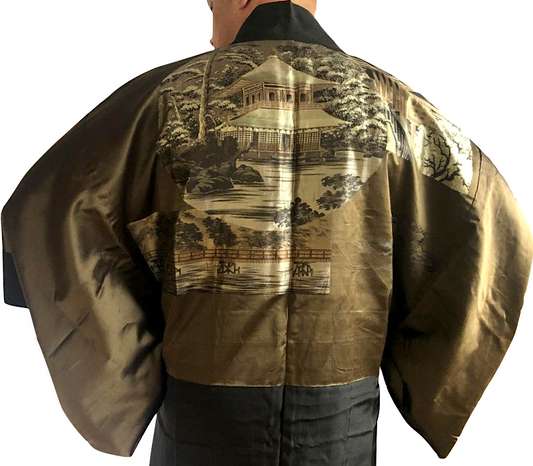
Men’s Haori Antique - Black Silk Dakimyoga Montsuki Temple Ginkakuji & Kinkakuji Kyoto
Regular price $331.43Regular price$430.00Sale price $331.43PROMO -
Men’s Japanese Haori Black Silk Katabami Montsuki Meoto Iwa Ise
Regular price $329.00Regular price$369.00Sale price $329.00PROMO -
Antique Men’s Haori - Black Silk Montsuki Ginkakuji & Arashiyama Pattern Made in Japan
Regular price $307.00Regular price$359.00Sale price $307.00PROMO -
Men’s Haori Black Silk Mokkou Montsuki Kyomizu Dera Kyoto
Regular price $299.00Regular price$369.00Sale price $299.00PROMO -
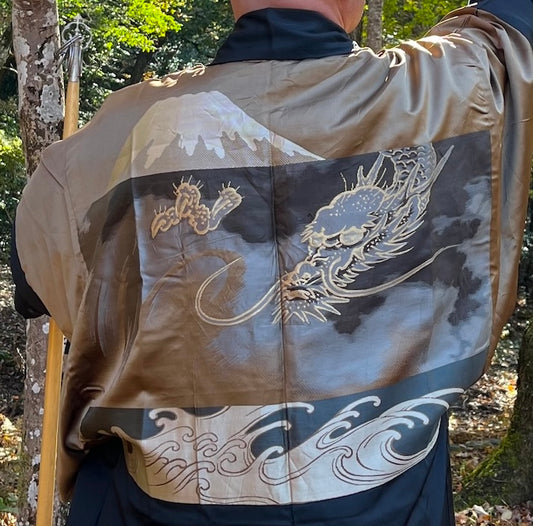
Men’s Haori Black Silk Katabami Montsuki Fuji & Dragon RYU
Regular price $299.00Regular price$369.00Sale price $299.00PROMO -
Japanese Men's Formal Haori Black Silk Futatsu Hiki MonTsuki Japan Paris Art Style
Regular price $276.00Regular price$345.00Sale price $276.00PROMO -
Men’s Vintage Haori Black SilK Samurai Crest Botan Kuyo
Regular price $197.00Regular price$219.00Sale price $197.00PROMO -
Men’s Antique Haori – Black Silk Futatsu Hiki Montsuki – Sansui Gaden
Regular price $183.58Regular price$245.19Sale price $183.58PROMO -
Men’s Antique Black Silk Haori Sumitate Yotsume Montsuki Toshogu Yomeimon Nikko
Regular price $239.00Regular price$358.00Sale price $239.00PROMO -
Men's Haori – Black Silk Kenkatabami Montsuki – Shinto Shrine
Regular price $158.94Regular price$246.19Sale price $158.94Sold out -
Antique Japanese Haori Black Silk Montsuki with Mitsukashiwa Crests Hunting Scene
Regular price $158.90Regular price$245.19Sale price $158.90Sold out -
Men's Antique Japanese Haori Jacket Black Silk Mokkou Montsuki Dragon VS Tiger
Regular price $239.00Regular price$359.00Sale price $239.00PROMO -
Men's Haori Black Silk Mokkou Montsuki The SkyCastle "Takeda-Jo " Made in Japan
Regular price $232.00Regular price$249.00Sale price $232.00PROMO -
Men’s Antique Haori Black Silk Takanohane Montsuki SADO (Tea Ceremony)
Regular price $234.00Regular price$294.00Sale price $234.00PROMO -
Men's Antique Samurai Haori Black Silk Monstuki– Busho no Ikusa
Regular price $245.19Regular price$368.40Sale price $245.19PROMO -
Men's Haori antique - Agarifuji Montsuki Tiger VS Dragon
Regular price $245.19Regular price$356.08Sale price $245.19PROMO -
Antique Japanese Men’s Haori - Black Silk Katabami Montsuki with Horyuji Temple
Regular price $140.00Regular price$183.00Sale price $140.00PROMO -
Men’s Antique Traditional Japanese Haori Black Silk Montsuki OchaWashitsu
Regular price $245.19Regular price$405.36Sale price $245.19PROMO -
Men’s Antique Japanese Haori Tachibana Montsuki Kinkakuji & Jinja Kyoto
Regular price $232.87Regular price$356.08Sale price $232.87PROMO -
Men’s Japanese Haori – Black Silk Katabami Montsuki Kyomizudera Temple & Himeji Castle
Regular price $232.87Regular price$356.08Sale price $232.87PROMO -
Men’s Antique Haori – Black Silk Tachibana Montsuki – Aki no Nihon Fūkei
Regular price $154.00Regular price$206.00Sale price $154.00Sold out