Samue for Temple Work and Japanese Crafts — Gardening, Cleaning, Calligraphy and Tea Practice
A practical guide to choosing samue as functional Japanese workwear for temple-inspired activities, traditional crafts and mindful daily practice.

A samue is more than a comfortable Japanese two-piece outfit. Its relaxed construction, wrap-style jacket and practical trousers make it especially suitable for movement, kneeling, cleaning, gardening and traditional handwork. When carefully selected, a work samue can support both physical activity and quiet concentration without restricting the body.

What Is a Samue?
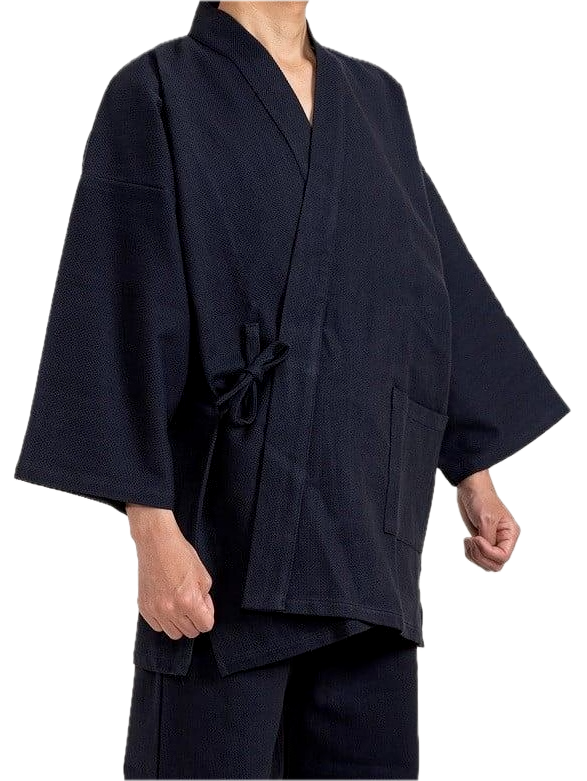
Samue, written 作務衣 in Japanese, is a practical two-piece garment consisting of a wrap-front jacket and loose trousers. The word is closely associated with samu, written 作務, meaning the everyday work and duties carried out within a Buddhist temple community.
These duties may include sweeping paths, cleaning rooms, maintaining gardens, preparing spaces, carrying materials and performing other necessary daily tasks. For this reason, samue developed as clothing intended to allow natural movement while remaining simple, modest and functional.
Today, samue is worn not only in temples but also by craftspeople, artists, gardeners, tea practitioners, meditation students and anyone looking for comfortable Japanese workwear.

What Type of Samue Is Best for Temple Work and Japanese Crafts?
The best all-purpose choice is a mid-weight work samue made from durable cotton or an easy-care cotton-polyester blend. It should be loose enough for kneeling and bending, but not so oversized that the sleeves or trouser legs interfere with practical work.
Recommended all-purpose specification
- Mid-weight cotton or cotton-polyester fabric
- Elasticated or adjustable sleeve cuffs
- Elasticated or drawstring trouser hems
- Reinforced knees and seat for frequent kneeling
- Comfortable elasticated waist with a drawstring
- Secure pockets for small tools or personal items
- Dark, understated colours such as navy, black, grey or brown
- A fabric that can be washed regularly according to its care label
This construction offers a practical balance between mobility, durability, comfort and understated Japanese aesthetics.

Samue for Gardening and Outdoor Temple Work
Gardening requires repeated bending, squatting, kneeling and reaching. A samue is well suited to these movements because its jacket and trousers are cut more generously than conventional fitted clothing.
For garden maintenance, sweeping leaves, caring for moss, trimming plants or working around a temple courtyard, choose a samue with:
- Reinforced knees for work close to the ground
- A reinforced seat for increased durability
- Close-fitting cuffs to prevent sleeves from catching on branches
- Gathered trouser hems to reduce contact with soil and debris
- Secure pockets for gloves, cloths or small accessories
- A washable fabric suitable for frequent use
Medium-weight cotton is comfortable and breathable, while a cotton-polyester blend may be preferable when quick drying and simple maintenance are priorities.

Samue for Cleaning and Daily Temple Duties
Cleaning is one of the activities most naturally associated with temple workwear. Sweeping floors, wiping wooden surfaces, carrying buckets and maintaining entrances all require clothing that stays close to the body without restricting movement.
Elasticated cuffs are especially helpful because they keep the sleeves away from water, cleaning cloths and work surfaces. Elasticated trouser hems also reduce the risk of stepping on loose fabric while walking, bending or using stairs.
For regular cleaning, an easy-care samue is generally more practical than a delicate, highly textured or naturally dyed garment. Before washing, always follow the instructions for the specific fabric and dye.

Samue for Calligraphy, Shodō and Traditional Crafts
Japanese calligraphy, or shodō, requires controlled posture and relaxed movement through the shoulder, elbow and wrist. A lightweight or mid-weight samue can provide comfort while seated at a desk or kneeling in seiza.
For calligraphy, ink painting, pottery, woodcraft or other traditional arts, select a samue with sleeves that can be secured above the wrists. This helps prevent the fabric from touching wet ink, water, clay or tools.
Dark navy, charcoal or black can be practical choices for studio work because small marks are generally less visible than on pale colours. However, a craft samue should still be protected with an apron when working with permanent ink, glaze, dye or other staining materials.

Can You Wear Samue for Tea Practice?
A clean and understated samue can be suitable for informal tea practice, preparation work and the maintenance of a tea room. It allows the wearer to kneel, stand and move between the preparation area and the tea space with relative ease.
Samue may be particularly useful for:
- Cleaning the tea room before practice
- Preparing water and utensils
- Carrying equipment
- Informal practice at home
- Tea-related workshops and demonstrations
- Maintaining the garden or path leading to the tea room
For formal tea gatherings or official lessons, clothing requirements vary according to the school, teacher and occasion. Practitioners should therefore confirm the expected dress before attending.

Which Samue Fabric Is Best?
The best fabric depends on the season, activity, frequency of washing and level of durability required. Natural fibres generally offer greater breathability, while blended fabrics may provide quicker drying and easier maintenance.
| Fabric | Advantages | Best suited to | Points to consider |
|---|---|---|---|
| 100% cotton | Natural feel, breathable, comfortable and traditionally styled | Calligraphy, crafts, meditation, light cleaning and general use | May shrink, fade or wrinkle depending on the weave and dye |
| Cotton-polyester blend | Durable, quick drying, easy to care for and less prone to wrinkling | Cleaning, gardening, daily work and frequent washing | Usually less breathable than pure cotton |
| Cotton-linen blend | Light, breathable and suitable for warm weather | Summer temple work, indoor crafts and warm climates | Can crease and may feel firmer when new |
| Heavy cotton | Strong, protective and well suited to demanding physical work | Outdoor work, cool weather and intensive gardening | May become warm and take longer to dry |
Cotton Samue
Cotton provides a natural texture and comfortable feel. It is a good choice for indoor crafts, calligraphy, meditation and moderate physical work. A tightly woven cotton samue generally offers greater durability than a very soft, lightweight lounge model.
Cotton-Polyester Work Samue
A cotton-polyester samue is often the most practical choice for frequent cleaning and everyday duties. It generally dries faster, resists creasing and can be easier to maintain than pure cotton.
Cotton-Linen Summer Samue
A cotton-linen blend can improve airflow during warm weather. It is well suited to summer gardening, temple courtyards and craft workshops, provided the garment remains strong enough for the intended activity.

Choosing a Samue by Season
Spring and Autumn
A mid-weight cotton or cotton-blend samue is the most versatile option for spring and autumn. It provides sufficient protection for outdoor tasks while remaining comfortable indoors.
Summer
Choose lightweight cotton, cotton-linen or linen-blend samue. Breathability and quick drying are especially important when working in humid conditions. Loose construction helps air circulate, but sleeves and trouser hems should still be secured during practical work.
Winter
A heavier samue can be worn over thermal underlayers. Padded or lined samue may be suitable for cold environments, although very thick garments can restrict movement during kneeling, cleaning or detailed craftwork.

Essential Features of a Functional Work Samue
1. Elasticated Sleeve Cuffs
Elasticated cuffs prevent the sleeves from hanging over tools, water, ink or work surfaces. They also make it easy to raise the sleeves without repeatedly tying them back.
2. Gathered Trouser Hems
Gathered hems keep the trouser legs close to the ankles. This is useful when walking outdoors, climbing steps, working in a garden or carrying objects.
3. Reinforced Knees and Seat
Kneeling and squatting place repeated pressure on the knees and seat. Reinforcement in these areas can extend the useful life of a samue intended for regular work.
4. Adjustable Waist
An elasticated waist combined with a drawstring provides comfort while helping the trousers remain secure during active movement.
5. Practical Pockets
Side pockets, an inner pocket or a zippered pocket can be useful for carrying a cloth, keys or small personal items. Avoid overloading pockets during kneeling practice, as hard objects can become uncomfortable.
6. Side Slits
Small side slits at the hem of the jacket can improve comfort while sitting, kneeling or reaching forward.

How Should a Work Samue Fit?
A work samue should feel relaxed without becoming excessively loose. The jacket should close comfortably across the chest, and the shoulders should allow full arm movement. The trousers should permit squatting and kneeling without pulling tightly across the thighs or knees.
When choosing a size, check:
- Your height and chest measurement
- Your natural waist measurement
- The trouser inseam and total length
- The manufacturer’s recommended size range
- Whether you intend to wear thermal layers underneath
Japanese sizing can differ from European and North American sizing. Always use the measurements provided on the individual product page rather than relying only on labels such as M, L or XL.

Which Colour Is Best for Temple-Inspired Work?
Traditional and practical samue colours tend to be understated. Navy, black, grey, brown, green and muted earth tones are easy to coordinate and appropriate for work-oriented settings.
- Navy: versatile, traditional-looking and practical for regular use
- Black: sober and suitable for crafts involving ink or dust
- Grey: neutral and appropriate for indoor work
- Brown or earth tones: visually suited to gardening and outdoor environments
- Muted green: harmonious with gardens and natural settings

How to Wash and Care for a Work Samue
Care requirements depend on the fibre, weave, dye and construction of the garment. Always read the care label before washing.
- Separate dark or naturally dyed samue from light-coloured clothing.
- Close zippers and secure cords before washing.
- Turn the garment inside out when recommended.
- Use a laundry net for delicate cotton or textured fabrics.
- Select cold or lukewarm water and a gentle cycle when appropriate.
- Use a mild detergent and avoid chlorine bleach unless specifically permitted.
- Reshape the jacket and trousers while damp.
- Air dry away from intense direct sunlight whenever possible.
- Expect some natural fading or shrinkage from certain cotton fabrics.
For a garment used regularly for cleaning or gardening, owning two samue sets can be practical: one can be washed and dried while the other remains available for work.
Quick Samue Selection Guide
| Activity | Recommended fabric | Important features |
|---|---|---|
| Gardening | Medium or heavy cotton; cotton-polyester | Reinforced knees, elasticated cuffs and secure hems |
| Cleaning | Easy-care cotton-polyester blend | Quick drying, washable fabric and close-fitting cuffs |
| Calligraphy | Light or medium cotton | Adjustable sleeves and dark colour |
| Pottery and crafts | Durable cotton or cotton blend | Washable construction, pockets and secure cuffs |
| Informal tea practice | Clean, lightweight or mid-weight cotton | Simple appearance and comfortable kneeling fit |
| Summer temple work | Cotton-linen or lightweight cotton | Breathability, secure cuffs and quick drying |

Our Recommendation
For gardening, cleaning, calligraphy, tea preparation and general temple-inspired work, choose a durable mid-weight samue with elasticated sleeves and trouser hems.
A cotton-polyester work samue offers convenient maintenance for frequent use, while a 100% cotton samue provides a more natural texture for indoor practice and traditional crafts. For work involving regular kneeling, reinforced knees and seat panels are particularly valuable.
Discover the BujindoShop Samue Collection
Find the Right Japanese Samue for Work, Crafts and Everyday Comfort
Now that you know how to choose the right fabric, fit, colour and practical features, explore our collection of traditional Japanese samue selected for comfort, freedom of movement and authentic Japanese style.
Whether you need a practical work samue for gardening and cleaning, a breathable outfit for calligraphy and traditional crafts, or a comfortable samue for meditation, tea preparation and relaxed daily wear, BujindoShop offers a varied selection of Japanese samue for men and women .
Traditional Japanese Design
Discover wrap-front jackets, relaxed trousers and understated colours inspired by practical Japanese workwear and temple clothing.
Fabrics for Every Season
Choose cotton for natural comfort, cotton-linen blends for warm weather, or easy-care blended fabrics for frequent work and washing.
Comfort and Freedom of Movement
Relaxed cuts, adjustable waists and practical cuffs support kneeling, bending, walking and seated traditional practice.
Choose a Samue According to Your Practice
- Choose a mid-weight cotton samue for versatile year-round wear, meditation, crafts and everyday comfort.
- Select a cotton-polyester work samue for gardening, cleaning, frequent washing and practical daily duties.
- Prefer a cotton-linen or lightweight cotton samue for summer, humid climates and indoor craft practice.
- Choose a heavy, lined or padded samue for colder weather and outdoor work.
- Look for elasticated cuffs, secure trouser hems, useful pockets and an adjustable waist when mobility is essential.
Each product page provides details about fabric composition, available colours, measurements and recommended sizing. Because Japanese sizes may differ from European and North American standards, compare your body measurements with the individual size guide before placing your order.
Not sure which samue to choose?
Begin with a medium-weight model in navy, black or grey. It offers the most versatile balance of comfort, discreet style and practical use for work, meditation, crafts and relaxed daily wear.
Traditional Japanese comfort, practical design and freedom of movement for work, crafts, meditation and everyday life.