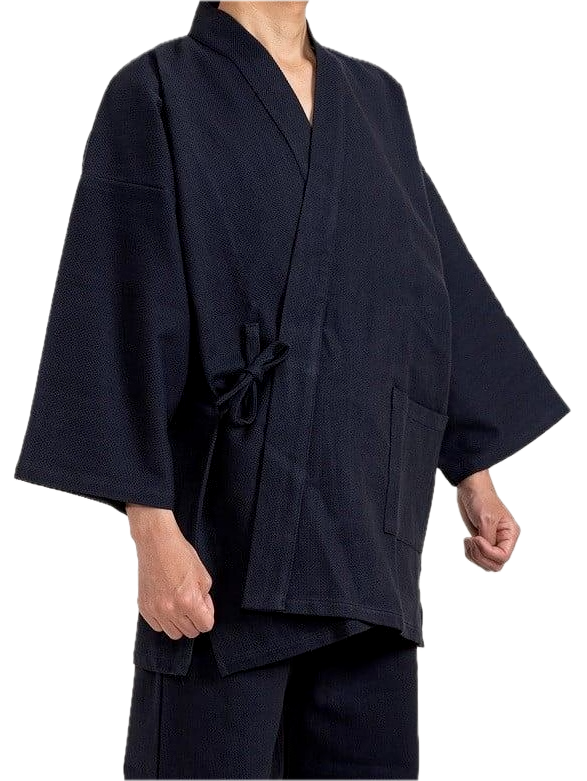

Ninjutsu Equipment Guide — Traditional Ninja Gear for Training
Ninjutsu Equipment Guide — Traditional Ninja Gear for Training, Movement and Practice
Complete Guide to Ninjutsu Clothing, Shinobi Shōzoku, Jikatabi, Kyahan, Tekko, Training Gear and Traditional Ninja Equipment

Ninjutsu equipment is not only a matter of appearance. Traditional ninja gear was designed to support silent movement, natural body mechanics, outdoor training, protection, concealment, grip, balance, and practical adaptability. Each item has a purpose connected to movement, discipline, terrain, and survival.
This Ninjutsu Equipment Guide brings together all BujindoShop resources about traditional ninja gear: shinobi shōzoku, ninjutsu gi, jikatabi, tabi socks, kyahan, tekko, training accessories, and traditional weapons used in historical and modern ninjutsu practice.
Whether you practice Togakure Ryū Ninpō Taijutsu, Bujutsu, outdoor movement, stealth walking, martial arts, traditional Japanese training, or simply want to understand authentic ninja equipment, this guide will help you choose the right gear with clarity and respect.
Quick Answer: Essential ninjutsu equipment usually includes a training uniform or shinobi shōzoku, jikatabi or tabi shoes, tabi socks, kyahan leg guards, tekko hand guards, a belt, and practice weapons depending on the training level. The right gear should support silent movement, mobility, grip, protection, durability, and correct martial practice.
Table of Contents
- I. Understand Ninjutsu Equipment
- II. Ninjutsu Clothing and Shinobi Shōzoku
- III. Tabi, Jikatabi and Footwear
- IV. Tekko, Kyahan and Protective Accessories
- V. Ninja Weapons and Training Tools
- VI. How to Choose Ninjutsu Equipment
- VII. Shop Ninjutsu Equipment
I. Understand Ninjutsu Equipment
Start here if you want to understand what ninjutsu equipment is, why traditional ninja gear was designed for movement and function, and how each item supports training, stealth, protection, and adaptability.
-
What Is Ninjutsu Equipment? — Complete Guide to Traditional Ninja Gear
Coming soon: A complete introduction to ninjutsu clothing, footwear, accessories, weapons, and training tools. -
Essential Ninjutsu Gear for Beginners — What Do You Need to Start Training?
Coming soon: A practical beginner guide to choosing the first essential items for ninjutsu practice. -
Traditional Ninja Gear vs Modern Martial Arts Equipment — What Is the Difference?
Coming soon: A comparison between traditional shinobi equipment and modern dojo training gear.
II. Ninjutsu Clothing and Shinobi Shōzoku
Traditional ninjutsu clothing must allow full-body movement, ground mobility, silent walking, rolling, kneeling, hiding, climbing, and natural body mechanics. A good training outfit should never restrict the body.
-
Shinobi Shōzoku Guide — Traditional Ninja Clothing Explained
Coming soon: A guide to the traditional ninja outfit, its structure, purpose, colors, mobility, and historical atmosphere. - How to choose summer Ninja Outfit ? Guide
-
Ninjutsu Gi Guide — How to Choose the Right Training Uniform
Coming soon: A practical guide to choosing a ninjutsu gi for dojo training, outdoor practice, taijutsu, and weapons training. -
Black Ninjutsu Uniform vs Traditional Shinobi Clothing — Which One Should You Choose?
Coming soon: A comparison between modern black training uniforms and more traditional shinobi-style clothing. -
Ninjutsu Clothing Size Guide — Jacket, Pants, Belt and Movement Fit
Coming soon: A size guide explaining how ninjutsu clothing should fit for movement, rolling, kneeling, and weapons practice.
Training Tip: Ninjutsu clothing should be comfortable enough for rolling, kneeling, ukemi, silent walking, low movement, and weapon handling. Avoid overly tight clothing that blocks the hips, knees, shoulders, or natural posture.
III. Tabi, Jikatabi and Footwear
Footwear is central in ninjutsu practice. Tabi socks and jikatabi help connect the feet to the ground, improve awareness, support natural stepping, and allow better control during outdoor training, stealth walking, and martial movement.
-
Tabi & Jikatabi Guide — Japanese Split-Toe Footwear for Ninjutsu and Martial Arts
Coming soon: A complete guide to tabi socks, jikatabi shoes, split-toe footwear, sizing, soles, and training use. -
Best Jikatabi for Ninjutsu — How to Choose Grip, Sole, Height and Fit
Coming soon: A buyer guide to choosing jikatabi for indoor training, outdoor terrain, stealth walking, and martial arts practice. -
Tabi Socks vs Jikatabi Shoes — What Is the Difference?
Coming soon: A comparison explaining when to use tabi socks, indoor tabi, outdoor jikatabi, or rubber-sole training shoes. -
Jikatabi Size Guide — Japanese Foot Size, Fit, Kohaze and Comfort
Coming soon: A size guide explaining Japanese centimeter sizing, kohaze closures, foot width, toe separation, and training comfort.
Quick Answer: Choose tabi socks for indoor practice or wearing inside Japanese footwear. Choose jikatabi for outdoor movement, grip, ground contact, stealth walking, and traditional martial arts training.
IV. Tekko, Kyahan and Protective Accessories
Tekko and kyahan are traditional protective accessories used to support the hands, wrists, forearms, ankles, and lower legs. They help keep clothing secure, protect the body during movement, and complete the traditional shinobi training outfit.
-
Tekko & Kyahan Guide — Traditional Ninja Hand and Leg Guards
Coming soon: A complete guide to ninja tekko, kyahan, wrist guards, leg guards, protection, fit, and traditional use. -
What Are Kyahan? — Japanese Leg Guards for Ninjutsu, Hiking and Traditional Wear
Coming soon: A focused guide to kyahan, how they protect the legs, and how to wear them with jikatabi. -
What Are Tekko? — Ninja Hand Guards for Wrist Protection and Traditional Training
Coming soon: A guide to tekko hand guards, wrist support, forearm protection, and traditional shinobi use. -
How to Wear Kyahan and Tekko — Step-by-Step Ninjutsu Equipment Guide
Coming soon: A practical dressing guide for tying and adjusting kyahan and tekko correctly.
V. Ninja Weapons and Training Tools
Traditional ninjutsu includes the study of many tools and weapons. For safety, training should begin with appropriate practice equipment, under qualified instruction, and with respect for legal restrictions in each country.
-
Ninja Weapons Guide — Traditional Tools, Training Weapons and Safety Rules
Coming soon: A structured guide to traditional ninja weapons, practice tools, safety, legal awareness, and responsible training. -
Bō, Hanbō and Jō for Ninjutsu — Wooden Staff Training Guide
Coming soon: A guide to wooden staff training tools for distance, posture, timing, and body movement. -
Fukuro Shinai and Training Swords — Safe Practice Tools for Kenjutsu and Ninjutsu
Coming soon: A guide to safe sword training tools for traditional martial arts practice. -
How to Choose Safe Ninjutsu Training Weapons — Beginner Buyer Guide
Coming soon: A safety-first guide to selecting appropriate practice weapons for beginners.
Safety Note: Ninjutsu weapons should be studied responsibly, with proper instruction, safe training tools, and respect for local laws. Beginners should start with practice equipment, not dangerous or uncontrolled tools.
VI. How to Choose Ninjutsu Equipment
The best ninjutsu equipment depends on your level, training environment, body type, climate, and practice goals. A beginner practicing indoors does not need the same gear as an advanced student training outside on uneven terrain.
-
Complete Ninjutsu Gear Checklist — What to Buy First, Later and Only When Needed
Coming soon: A clear checklist for beginners, regular practitioners, outdoor training, and advanced practice. -
Ninjutsu Equipment for Outdoor Training — Shoes, Clothing, Protection and Weather
Coming soon: A guide for choosing gear for forest training, outdoor movement, cold weather, rain, and uneven ground. -
Ninjutsu Equipment for Dojo Training — Uniform, Footwear, Belt and Practice Tools
Coming soon: A practical guide to indoor training equipment for taijutsu, ukemi, kihon, and weapons basics. -
Ninjutsu Equipment Size Guide — Uniform, Jikatabi, Kyahan and Tekko Measurements
Coming soon: A size guide for choosing the correct fit across the full ninjutsu equipment set.
VII. Shop Ninjutsu Equipment
BujindoShop selects ninjutsu and martial arts equipment with attention to function, authenticity, durability, movement, and traditional Japanese atmosphere. Good equipment should support training, not replace practice. It should help the body move naturally, safely, and with awareness.
If you are ready to choose your equipment, explore our ninjutsu gear selection and compare each item according to size, use, material, movement, durability, and training purpose.
Recommended Reading Path
For the best experience, follow this reading order:
-
What Is Ninjutsu Equipment?
Coming soon -
Shinobi Shōzoku Guide
Coming soon -
Ninjutsu Gi Guide
Coming soon -
Tabi & Jikatabi Guide
Coming soon -
Tekko & Kyahan Guide
Coming soon -
Ninja Weapons Guide
Coming soon
BujindoShop Ninjutsu Equipment Guide Mission
The purpose of this guide is not only to sell ninjutsu equipment, but to help each practitioner understand the function behind the gear: movement, silence, protection, adaptability, discipline, and respect for traditional Japanese martial practice. Equipment is only useful when it supports correct training, natural body movement, and a sincere martial path.
-
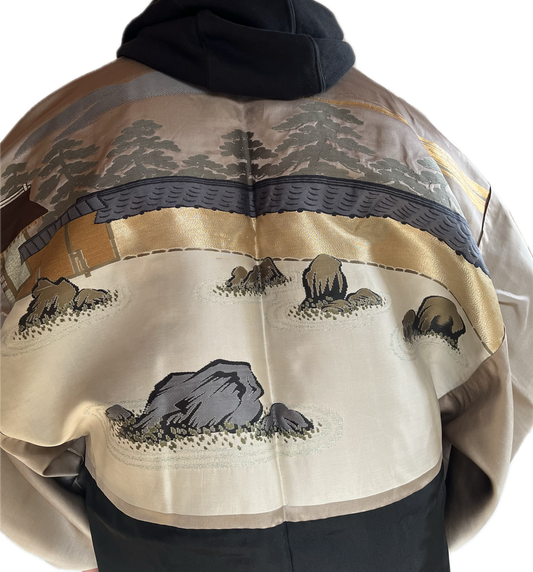
Men's Japanese Haori Black Silk Umebachi Montsuki Zen Garden of Ryoanji Temple, Kyoto
Regular price $368.40Regular price$491.61Sale price $368.40PROMO -
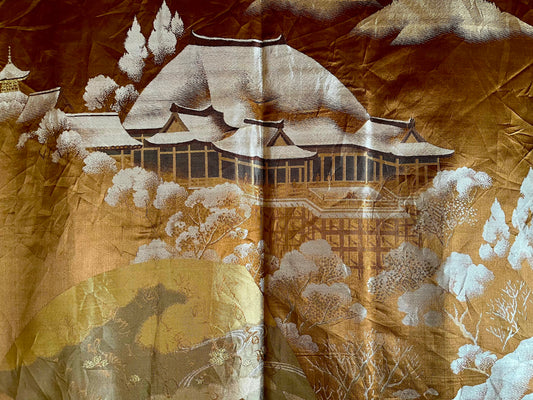
Men’s Antique Haori – Black Silk Kikyo Montsuki Kyomizudera
Regular price $368.40Regular price$430.00Sale price $368.40PROMO -
Antique Men’s Haori Jacket - Zen Garden of Ryoanji Temple, Kyoto (Deluxe Edition)
Regular price $368.00Regular price$491.00Sale price $368.00PROMO -
Men’s Antique Japanese Haori – Black Silk Tsuru Montsuki with Golden Samurai Helmet (Kabuto)
Regular price $359.00Regular price$383.42Sale price $359.00PROMO -
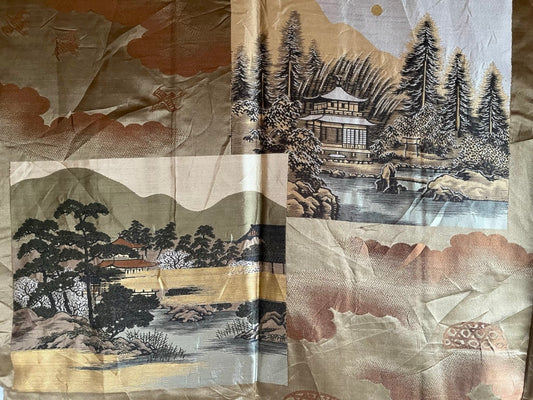
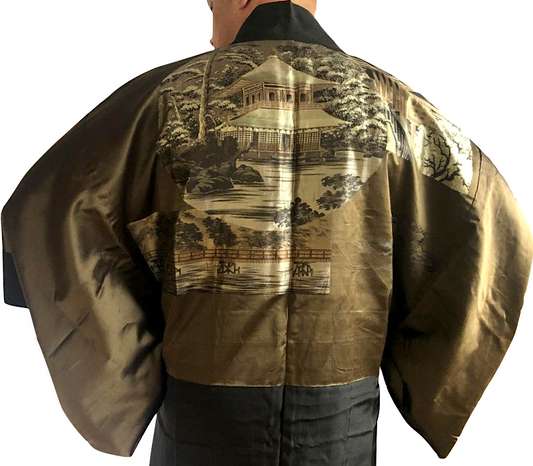
Men’s Haori Antique - Black Silk Dakimyoga Montsuki Temple Ginkakuji & Kinkakuji Kyoto
Regular price $331.43Regular price$430.00Sale price $331.43PROMO -
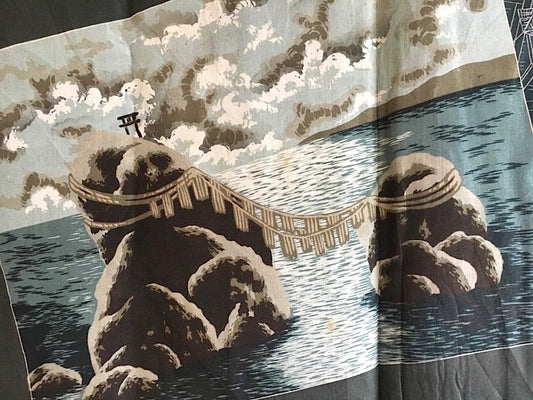
Men’s Japanese Haori Black Silk Katabami Montsuki Meoto Iwa Ise
Regular price $329.00Regular price$369.00Sale price $329.00PROMO -
Antique Men’s Haori - Black Silk Montsuki Ginkakuji & Arashiyama Pattern Made in Japan
Regular price $307.00Regular price$359.00Sale price $307.00PROMO -
Men’s Haori Black Silk Mokkou Montsuki Kyomizu Dera Kyoto
Regular price $299.00Regular price$369.00Sale price $299.00PROMO -
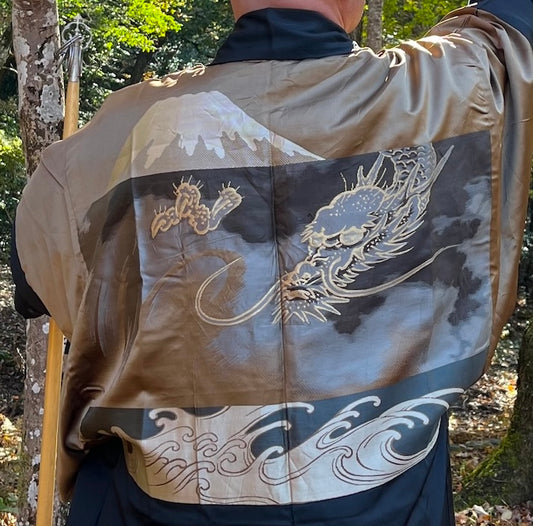
Men’s Haori Black Silk Katabami Montsuki Fuji & Dragon RYU
Regular price $299.00Regular price$369.00Sale price $299.00PROMO -
Japanese Men's Formal Haori Black Silk Futatsu Hiki MonTsuki Japan Paris Art Style
Regular price $276.00Regular price$345.00Sale price $276.00PROMO -
Men’s Vintage Haori Black SilK Samurai Crest Botan Kuyo
Regular price $197.00Regular price$219.00Sale price $197.00PROMO -
Men’s Antique Haori – Black Silk Futatsu Hiki Montsuki – Sansui Gaden
Regular price $183.58Regular price$245.19Sale price $183.58PROMO -
Men’s Antique Black Silk Haori Sumitate Yotsume Montsuki Toshogu Yomeimon Nikko
Regular price $239.00Regular price$358.00Sale price $239.00PROMO -
Men's Haori – Black Silk Kenkatabami Montsuki – Shinto Shrine
Regular price $158.94Regular price$246.19Sale price $158.94Sold out -
Antique Japanese Haori Black Silk Montsuki with Mitsukashiwa Crests Hunting Scene
Regular price $158.90Regular price$245.19Sale price $158.90Sold out -
Men's Antique Japanese Haori Jacket Black Silk Mokkou Montsuki Dragon VS Tiger
Regular price $239.00Regular price$359.00Sale price $239.00PROMO -
Men's Haori Black Silk Mokkou Montsuki The SkyCastle "Takeda-Jo " Made in Japan
Regular price $232.00Regular price$249.00Sale price $232.00PROMO -
Men’s Antique Haori Black Silk Takanohane Montsuki SADO (Tea Ceremony)
Regular price $234.00Regular price$294.00Sale price $234.00PROMO -
Men's Antique Samurai Haori Black Silk Monstuki– Busho no Ikusa
Regular price $245.19Regular price$368.40Sale price $245.19PROMO -
Men's Haori antique - Agarifuji Montsuki Tiger VS Dragon
Regular price $245.19Regular price$356.08Sale price $245.19PROMO -
Antique Japanese Men’s Haori - Black Silk Katabami Montsuki with Horyuji Temple
Regular price $140.00Regular price$183.00Sale price $140.00PROMO -
Men’s Antique Traditional Japanese Haori Black Silk Montsuki OchaWashitsu
Regular price $245.19Regular price$405.36Sale price $245.19PROMO -
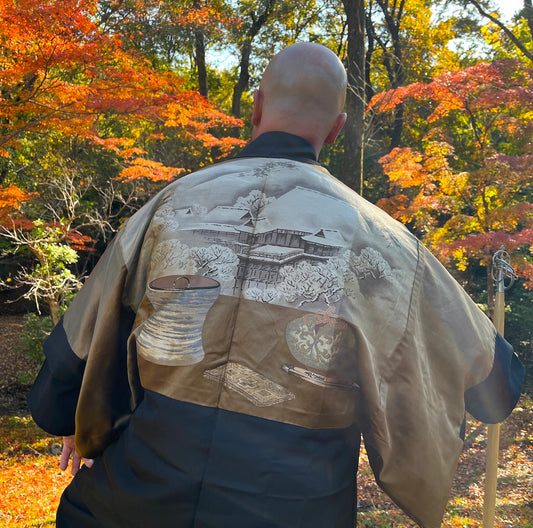
Men’s Antique Japanese Haori Tachibana Montsuki Kinkakuji & Jinja Kyoto
Regular price $232.87Regular price$356.08Sale price $232.87PROMO -
Men’s Japanese Haori – Black Silk Katabami Montsuki Kyomizudera Temple & Himeji Castle
Regular price $232.87Regular price$356.08Sale price $232.87PROMO -
Men’s Antique Haori – Black Silk Tachibana Montsuki – Aki no Nihon Fūkei
Regular price $154.00Regular price$206.00Sale price $154.00Sold out