Mikkyo Gear Guide — Japanese Esoteric Buddhist Shingon & Shugendo
Mikkyo Gear / Supplies Guide
Complete Guide to Japanese Esoteric Buddhist Supplies, Shugendō Gear, Kolomo, Zafu, Zabuton, Incense, Juzu and Nenju

Mikkyo gear and supplies are not ordinary accessories. In Japanese esoteric Buddhism, especially within Shingon, Tendai, and related Shugendō traditions, practice tools support concentration, ritual posture, purification, offering, recitation, meditation, and inner discipline.
This Mikkyo Gear / Supplies Guide brings together all BujindoShop resources about Japanese esoteric Buddhist practice items: kolomo robes, zafu and zabuton meditation cushions, Japanese incense, juzu bracelets, nenju rosaries, and Shugendō training gear.
Whether your path is connected to Mikkyo, Shingon Buddhism, Tendai Buddhism, Shugendō, Zen meditation, mountain practice, mantra recitation, temple ritual, or quiet daily devotion, this guide will help you choose practice supplies with respect, clarity, and cultural understanding.
Quick Answer: Essential Mikkyo and Shugendō supplies may include meditation clothing such as kolomo, a zafu and zabuton for seated practice, incense for purification and offering, juzu or nenju for mantra recitation, and specific Shugendō gear for mountain practice. The right item should support posture, concentration, ritual respect, and sincere spiritual discipline.
Table of Contents
- I. Understand Mikkyo Gear and Supplies
- II. Kolomo and Buddhist Practice Clothing
- III. Zafu, Zabuton and Meditation Posture
- IV. Japanese Incense for Ritual, Offering and Meditation
- V. Juzu Bracelets and Nenju Rosaries
- VI. Shugendō Gear and Mountain Practice Supplies
- VII. How to Choose Mikkyo Supplies
- VIII. Shop Mikkyo and Shugendō Supplies
I. Understand Mikkyo Gear and Supplies
Start here if you want to understand the role of practice tools in Japanese esoteric Buddhism and Shugendō. In Mikkyo, objects are not used as decoration only. They help create the correct atmosphere for body, speech, and mind: posture, mantra, visualization, offering, purification, and discipline.
-
What Is Mikkyo Gear? — Complete Guide to Japanese Esoteric Buddhist Supplies
Coming soon: A complete introduction to Mikkyo practice tools, ritual supplies, meditation items, clothing, incense, juzu, nenju, and altar accessories. -
Essential Mikkyo Supplies for Beginners — What Do You Need to Start Practice?
Coming soon: A practical beginner guide to choosing simple, respectful supplies for mantra recitation, meditation, and daily Buddhist practice. -
Mikkyo vs Zen Practice Tools — What Is the Difference?
Coming soon: A comparison guide explaining the difference between esoteric Buddhist ritual tools and Zen meditation supplies. -
Japanese Buddhist Practice Supplies Explained — Clothing, Incense, Rosaries, Cushions and Ritual Objects
Coming soon: A broad guide to Japanese Buddhist supplies and their practical and symbolic roles.
Practice Principle: In Mikkyo, the value of a tool comes from how it supports sincere practice. Choose supplies that help create correct posture, concentration, respect, purity, and continuity in daily discipline.
II. Kolomo and Buddhist Practice Clothing
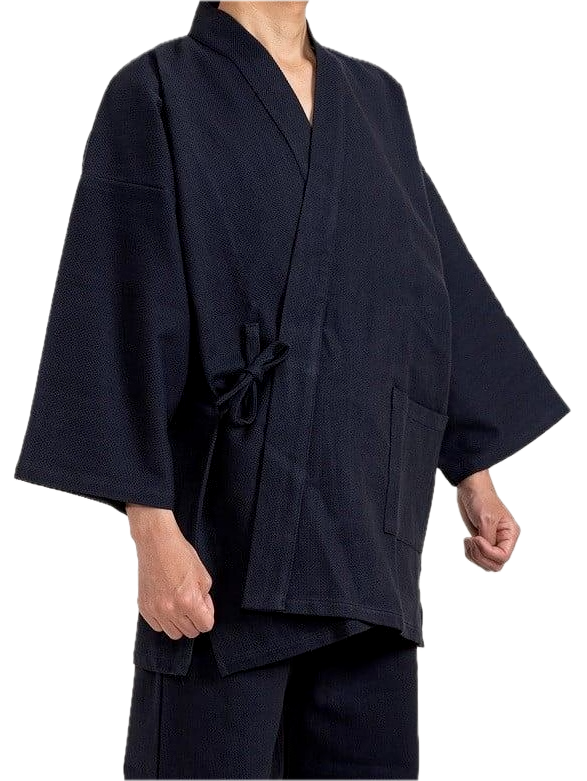
Clothing has an important role in Buddhist practice. A robe or practice garment helps separate ordinary daily activity from ritual, meditation, temple work, chanting, and inner discipline. In Japanese traditions, clothing expresses humility, order, and respect for the path.
-
Kolomo Guide — Japanese Buddhist Robe for Meditation, Temple Practice and Ritual
A complete guide to kolomo robes, Buddhist practice clothing, structure, use, sizing, and traditional atmosphere. -
Buddhist Practice Clothing Guide — Kolomo, Samue, Koromo and Meditation Wear Explained
Coming soon: A comparison between Buddhist robes, samue workwear, and meditation garments. -
How to Choose a Kolomo — Size, Fabric, Season and Practice Use
Coming soon: A buyer guide for choosing a Japanese Buddhist robe according to body size, fabric, ritual use, and comfort. -
Kolomo vs Samue — Buddhist Robe or Zen Monk Workwear?
Coming soon: A comparison guide explaining when to choose a kolomo robe and when to choose a samue.
III. Zafu, Zabuton and Meditation Posture
Correct seated posture is essential for meditation, mantra recitation, breath awareness, and ritual concentration. The zafu supports the hips and spine, while the zabuton protects the knees, ankles, and legs during seated practice.
-
Zafu & Zabuton Guide — Japanese Meditation Cushions for Posture and Comfort
Coming soon: A complete guide to choosing zafu and zabuton for Zen, Mikkyo, mantra recitation, and long seated practice. -
How to Choose a Zafu — Height, Filling, Shape and Meditation Posture
Coming soon: A practical guide to choosing the right zafu according to flexibility, hip height, knee position, and posture. -
Zabuton Guide — Why a Meditation Mat Protects Knees, Ankles and Long Practice
Coming soon: A focused guide to the role of the zabuton under the legs during seated meditation. -
Zafu vs Zabuton — What Is the Difference and Do You Need Both?
Coming soon: A simple comparison explaining how zafu and zabuton work together.
Quick Answer: A zafu raises the hips and helps align the spine. A zabuton cushions the knees and ankles. For longer meditation or mantra practice, using both together usually gives better stability and comfort.
IV. Japanese Incense for Ritual, Offering and Meditation
Incense is central in many Japanese Buddhist and spiritual practices. It can be used for purification, offering, atmosphere, concentration, memorial prayer, meditation, and the transition from ordinary time into sacred time.
-
Incense Guide — Japanese Buddhist Incense for Meditation, Offering and Purification
Coming soon: A complete guide to Japanese incense, Buddhist offering, scent families, meditation use, and respectful burning. -
How to Choose Japanese Incense — Sandalwood, Aloeswood, Kyara, Herbs and Daily Practice
Coming soon: A buyer guide explaining incense materials, scent depth, ritual quality, and daily use. -
Incense for Mikkyo Practice — Purification, Offering, Mantra and Ritual Space
Coming soon: A focused guide to incense in esoteric Buddhist atmosphere and ritual preparation. -
Japanese Incense vs Western Incense — Smoke, Scent, Ingredients and Spiritual Use
Coming soon: A comparison guide for international buyers discovering Japanese incense.
V. Juzu Bracelets and Nenju Rosaries
Juzu and nenju are Buddhist rosaries used for counting recitations, supporting concentration, and maintaining a physical connection to prayer and mantra. In Japanese Buddhism, different forms may be used depending on school, practice, and personal devotion.
-
Juzu Bracelet Guide — Japanese Buddhist Bracelet for Prayer, Mantra and Daily Protection
Coming soon: A guide to juzu bracelets, bead meanings, materials, wrist use, and daily spiritual practice. -
Nenju Guide — Japanese Buddhist Rosary for Mantra Recitation and Ritual Practice
Coming soon: A complete guide to nenju rosaries, structure, bead counts, school differences, and respectful use. -
Juzu vs Nenju — What Is the Difference Between Japanese Buddhist Prayer Beads?
Coming soon: A simple comparison explaining terminology, use, form, and practice context. -
How to Choose Buddhist Prayer Beads — Wood, Stone, Seed, Size and Spiritual Intention
Coming soon: A buyer guide to selecting prayer beads according to material, feel, practice, and intention.
Quick Answer: A juzu or nenju helps count prayers or mantra recitations and supports concentration. A bracelet is easier for daily wear, while a full nenju rosary is more suitable for formal Buddhist recitation and ritual practice.
VI. Shugendō Gear and Mountain Practice Supplies
Shugendō combines mountain practice, Buddhist elements, Shinto influence, ascetic training, chanting, pilgrimage, and direct confrontation with nature. Equipment for Shugendō must support movement, protection, ritual identity, and respect for the mountain path.
-
Shugendō Gear Guide — Japanese Mountain Ascetic Practice Equipment
Coming soon: A complete guide to clothing, footwear, accessories, ritual items, and mountain practice supplies used in Shugendō. -
Yamabushi Clothing Guide — Traditional Shugendō Robes, Kyahan, Tekko and Mountain Wear
Coming soon: A focused guide to Yamabushi clothing and its function in mountain practice. -
Shugendō Footwear Guide — Tabi, Jikatabi, Waraji and Mountain Walking
Coming soon: A guide to traditional and practical footwear for mountain pilgrimage and training. -
Shugendō Practice Supplies for Beginners — What to Understand Before Buying
Coming soon: A respectful beginner guide to avoid superficial use and understand the seriousness of mountain ascetic practice.
Respect Note: Shugendō equipment should be approached with humility. It is connected to ascetic training, mountain practice, ritual discipline, and living traditions. Choose and use these items with respect for their cultural and spiritual context.
VII. How to Choose Mikkyo Supplies
The best Mikkyo or Buddhist practice supply depends on your practice goal. A person beginning quiet meditation does not need the same items as someone preparing mantra recitation, incense offering, temple practice, or mountain ascetic training.
-
Complete Mikkyo Supplies Checklist — What to Buy First, Later and Only When Needed
Coming soon: A clear checklist for beginners, regular practitioners, meditation use, mantra recitation, and ritual practice. -
Mikkyo Practice at Home — Simple Supplies for Daily Meditation and Mantra Recitation
Coming soon: A practical guide to creating a respectful practice space at home. -
How to Choose Buddhist Supplies Respectfully — Avoiding Decorative or Superficial Use
Coming soon: A cultural and spiritual guide to choosing items with sincerity and respect. -
Buddhist Altar Supplies Guide — Incense, Candle, Bell, Offering Bowl and Practice Space
Coming soon: A guide to basic altar items and their role in meditation and offering.
VIII. Shop Mikkyo and Shugendō Supplies
BujindoShop selects Japanese spiritual supplies with attention to authenticity, practice value, simplicity, function, and respect for Japanese Buddhist and mountain traditions. These items are meant to support practice, not replace inner discipline.
If you are ready to choose your practice supplies, explore our Mikkyo and Shugendō selection and compare each item according to practice use, material, size, ritual meaning, comfort, and long-term value.
Shop Mikkyo & Shugendō Supplies
Recommended Reading Path
For the best experience, follow this reading order:
-
What Is Mikkyo Gear?
Coming soon -
Kolomo Guide
Coming soon -
Zafu & Zabuton Guide
Coming soon -
Incense Guide
Coming soon -
Juzu Bracelet Guide
Coming soon -
Nenju Guide
Coming soon -
Shugendō Gear Guide
Coming soon
BujindoShop Mikkyo Gear Guide Mission
The purpose of this guide is not only to sell Mikkyo and Shugendō supplies, but to help each practitioner understand the spirit behind the tools: posture, offering, purification, mantra, silence, mountain discipline, humility, and continuity of practice. A spiritual tool has value when it supports sincere practice, correct intention, and respect for the Japanese Buddhist path.
-
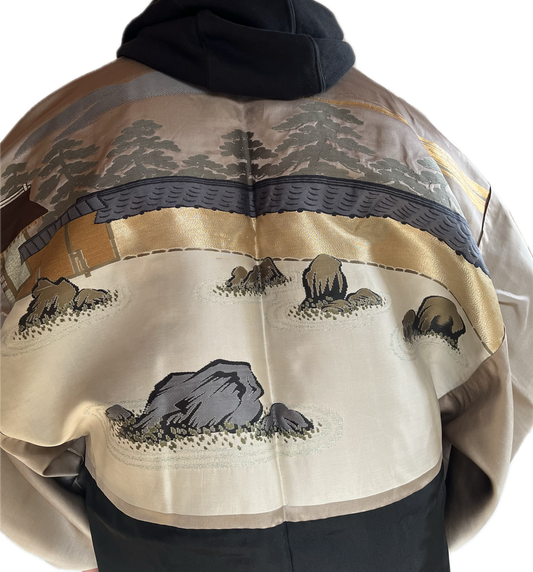
Men's Japanese Haori Black Silk Umebachi Montsuki Zen Garden of Ryoanji Temple, Kyoto
Regular price $368.40Regular price$491.61Sale price $368.40PROMO -
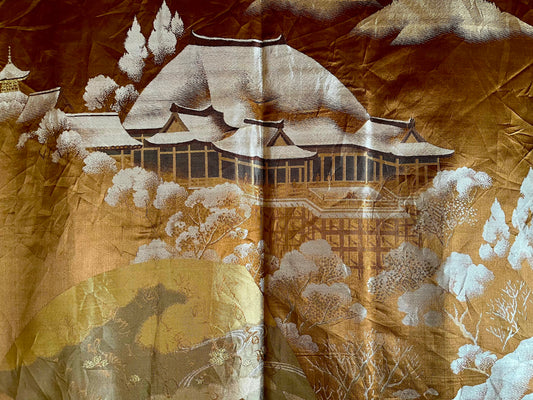
Men’s Antique Haori – Black Silk Kikyo Montsuki Kyomizudera
Regular price $368.40Regular price$430.00Sale price $368.40PROMO -
Antique Men’s Haori Jacket - Zen Garden of Ryoanji Temple, Kyoto (Deluxe Edition)
Regular price $368.00Regular price$491.00Sale price $368.00PROMO -
Men’s Antique Japanese Haori – Black Silk Tsuru Montsuki with Golden Samurai Helmet (Kabuto)
Regular price $359.00Regular price$383.42Sale price $359.00PROMO -
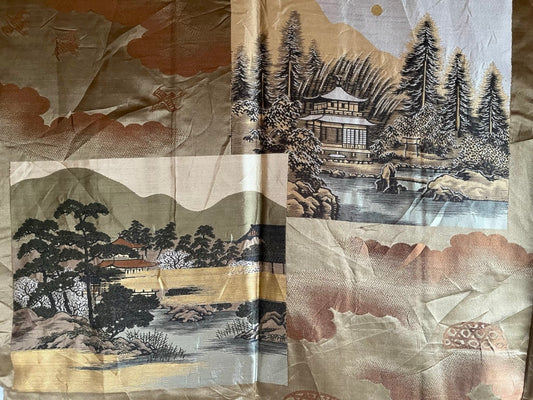
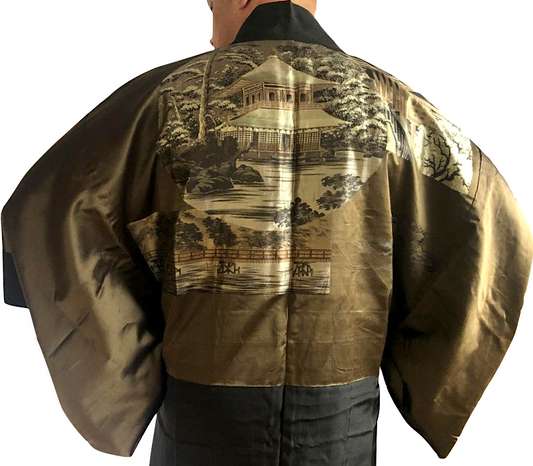
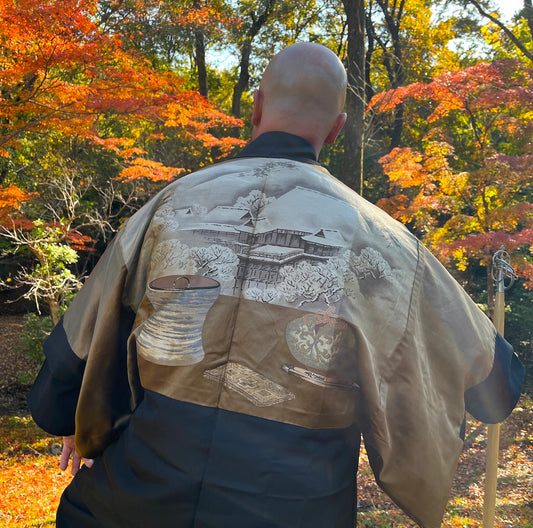
Men’s Haori Antique - Black Silk Dakimyoga Montsuki Temple Ginkakuji & Kinkakuji Kyoto
Regular price $331.43Regular price$430.00Sale price $331.43PROMO -
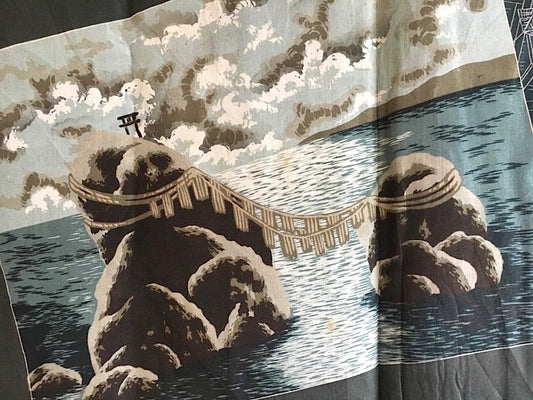
Men’s Japanese Haori Black Silk Katabami Montsuki Meoto Iwa Ise
Regular price $329.00Regular price$369.00Sale price $329.00PROMO -
Antique Men’s Haori - Black Silk Montsuki Ginkakuji & Arashiyama Pattern Made in Japan
Regular price $307.00Regular price$359.00Sale price $307.00PROMO -
Men’s Haori Black Silk Mokkou Montsuki Kyomizu Dera Kyoto
Regular price $299.00Regular price$369.00Sale price $299.00PROMO -
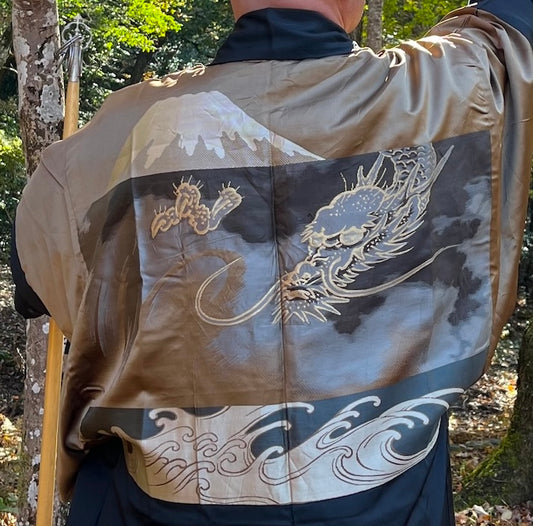
Men’s Haori Black Silk Katabami Montsuki Fuji & Dragon RYU
Regular price $299.00Regular price$369.00Sale price $299.00PROMO -
Japanese Men's Formal Haori Black Silk Futatsu Hiki MonTsuki Japan Paris Art Style
Regular price $276.00Regular price$345.00Sale price $276.00PROMO -
Men’s Vintage Haori Black SilK Samurai Crest Botan Kuyo
Regular price $197.00Regular price$219.00Sale price $197.00PROMO -
Men’s Antique Haori – Black Silk Futatsu Hiki Montsuki – Sansui Gaden
Regular price $183.58Regular price$245.19Sale price $183.58PROMO -
Men’s Antique Black Silk Haori Sumitate Yotsume Montsuki Toshogu Yomeimon Nikko
Regular price $239.00Regular price$358.00Sale price $239.00PROMO -
Men's Haori – Black Silk Kenkatabami Montsuki – Shinto Shrine
Regular price $158.94Regular price$246.19Sale price $158.94Sold out -
Antique Japanese Haori Black Silk Montsuki with Mitsukashiwa Crests Hunting Scene
Regular price $158.90Regular price$245.19Sale price $158.90Sold out -
Men's Antique Japanese Haori Jacket Black Silk Mokkou Montsuki Dragon VS Tiger
Regular price $239.00Regular price$359.00Sale price $239.00PROMO -
Men's Haori Black Silk Mokkou Montsuki The SkyCastle "Takeda-Jo " Made in Japan
Regular price $232.00Regular price$249.00Sale price $232.00PROMO -
Men’s Antique Haori Black Silk Takanohane Montsuki SADO (Tea Ceremony)
Regular price $234.00Regular price$294.00Sale price $234.00PROMO -
Men's Antique Samurai Haori Black Silk Monstuki– Busho no Ikusa
Regular price $245.19Regular price$368.40Sale price $245.19PROMO -
Men's Haori antique - Agarifuji Montsuki Tiger VS Dragon
Regular price $245.19Regular price$356.08Sale price $245.19PROMO -
Antique Japanese Men’s Haori - Black Silk Katabami Montsuki with Horyuji Temple
Regular price $140.00Regular price$183.00Sale price $140.00PROMO -
Men’s Antique Traditional Japanese Haori Black Silk Montsuki OchaWashitsu
Regular price $245.19Regular price$405.36Sale price $245.19PROMO -
Men’s Antique Japanese Haori Tachibana Montsuki Kinkakuji & Jinja Kyoto
Regular price $232.87Regular price$356.08Sale price $232.87PROMO -
Men’s Japanese Haori – Black Silk Katabami Montsuki Kyomizudera Temple & Himeji Castle
Regular price $232.87Regular price$356.08Sale price $232.87PROMO -
Men’s Antique Haori – Black Silk Tachibana Montsuki – Aki no Nihon Fūkei
Regular price $154.00Regular price$206.00Sale price $154.00Sold out