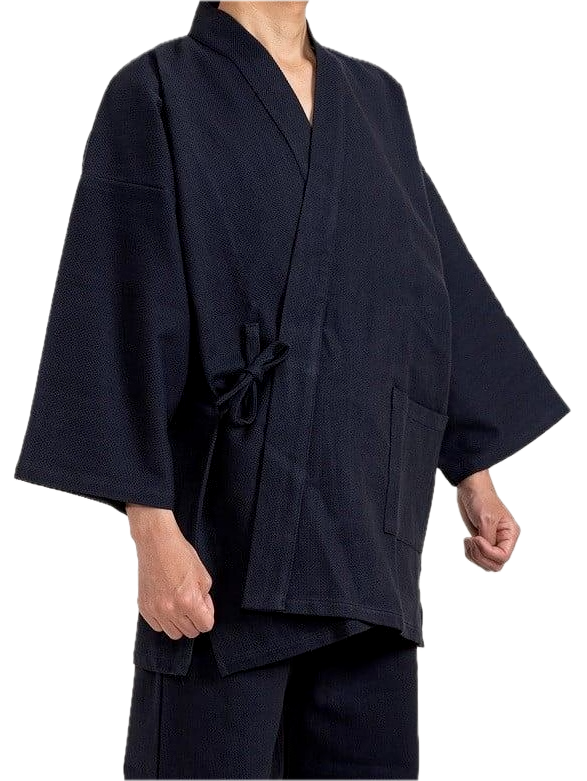

Kimono Guide — Traditional Japanese Ceremonial Wear
Kimono Guide — Traditional Japanese Ceremonial Wear
Complete Guide to Japanese Kimono, Formal Wear, Fabrics, Seasons, Sizing, Symbolism and Care

The kimono is one of the most iconic garments of Japanese culture. More than simple clothing, it represents formality, season, refinement, ceremony, family tradition, textile art, and the deep relationship between Japanese aesthetics and social etiquette.
This Kimono Guide brings together all BujindoShop resources about Japanese kimono: what a kimono is, how it differs from yukata and haori, how to choose the right size, how to understand fabrics and seasons, how to wear it respectfully, and how to preserve it over time.
Whether you are looking for a formal Japanese kimono, a men’s kimono, a ceremonial garment, a traditional outfit for cultural events, or a deeper understanding of Japanese clothing, this guide will help you move from cultural knowledge to confident selection.
Quick Answer: A kimono is a traditional Japanese robe worn for formal, ceremonial, seasonal, cultural, and artistic occasions. To choose the right kimono, check the type, season, fabric, size, sleeve style, formality level, obi compatibility, condition, and intended use.
Table of Contents
- I. Understand Japanese Kimono
- II. Choose the Right Kimono
- III. Kimono Formality, Ceremony and Occasions
- IV. Kimono vs Yukata, Haori, Samue and Jinbei
- V. Kimono Fabrics, Seasons and Patterns
- VI. Kimono Care, Storage and Preservation
- VII. Shop Japanese Kimono
I. Understand Japanese Kimono
Start here if you want to understand what a kimono is, where it comes from, and why it remains one of the most important symbols of Japanese culture, ceremony, and textile beauty.
-
What Is a Japanese Kimono? — Complete Guide to Meaning, History and Modern Use
Coming soon: A complete introduction to kimono history, structure, meaning, and its role in Japanese culture. -
History of the Japanese Kimono — From Court Clothing to Modern Tradition
Coming soon: A cultural guide to the evolution of kimono from aristocratic dress to ceremonial and modern Japanese wear. -
Parts of a Kimono Explained — Collar, Sleeves, Obi, Length and Traditional Structure
Coming soon: A practical explanation of kimono construction and essential vocabulary for international buyers. -
Men’s Kimono Guide — Traditional Japanese Style, Formality and Modern Use
Coming soon: A focused guide for men who want to understand and wear Japanese kimono with dignity.
II. Choose the Right Kimono
Choosing a kimono requires attention to size, fabric, season, formality, occasion, gender, condition, and accessories. Unlike ordinary clothing, a kimono is selected according to cultural context as much as personal taste.
-
How to Choose the Right Kimono — Size, Fabric, Season and Occasion
Coming soon: A practical buyer guide to help customers select the right kimono according to use, size, fabric, season, and formality. -
Japanese Kimono Size Guide — Measurements for International Buyers
Coming soon: A detailed guide explaining kimono length, width, sleeve length, yuki, and how to compare Japanese measurements with Western sizing. -
Men’s Kimono Size Guide — How to Choose the Right Length and Fit
Coming soon: A size guide dedicated to men’s kimono, including height, width, sleeve length, and traditional fit. -
First Kimono Buying Guide — What Beginners Should Know Before Buying
Coming soon: A beginner-friendly guide for customers buying their first Japanese kimono online.
Buying Tip: Before choosing a kimono, decide the purpose first: formal event, tea ceremony, display, collection, modern styling, martial arts atmosphere, or traditional Japanese practice. The purpose determines the correct formality, fabric, size, and accessories.
III. Kimono Formality, Ceremony and Occasions
Kimono formality is one of the most important parts of Japanese clothing culture. A kimono worn for a wedding, tea ceremony, New Year, cultural event, or casual seasonal outing will not have the same fabric, pattern, crest, or accessories.
-
Formal Kimono Guide — Ceremonial Japanese Kimono, Montsuki and Traditional Etiquette
Coming soon: A guide to formal kimono, family crests, ceremonial wear, and traditional rules. -
When Can You Wear a Kimono? — Tea Ceremony, Wedding, New Year, Festivals and Cultural Events
Coming soon: A practical guide explaining occasions where kimono can be worn respectfully. -
Kimono for Tea Ceremony — How to Choose a Respectful Traditional Outfit
Coming soon: A focused guide for tea ceremony practitioners and Japanese culture students. -
Can Foreigners Wear Kimono? — Cultural Respect, Etiquette and Common Mistakes
Coming soon: A trust-building cultural guide for international customers who want to wear kimono respectfully.
IV. Kimono vs Yukata, Haori, Samue and Jinbei
Many buyers confuse kimono, yukata, haori, samue, and jinbei. These garments are all connected to Japanese clothing, but their use, season, formality, structure, and cultural meaning are different.
-
Yukata vs Kimono — Key Differences in Fabric, Season & Formality
Understand the difference between a casual summer yukata and a more formal Japanese kimono. -
Samue vs Jinbei vs Haori — Differences & How to Choose
Compare important Japanese garments and understand how haori, samue, and jinbei differ from kimono and yukata. -
Kimono vs Haori — Robe or Jacket? How to Understand the Difference
Coming soon: A comparison guide explaining why kimono is the main garment and haori is the jacket worn over it. -
Kimono vs Samue — Ceremonial Wear or Zen Workwear?
Coming soon: A guide explaining the difference between formal traditional dress and practical Zen monk workwear. -
Kimono vs Jinbei — Formal Japanese Clothing or Casual Summer Set?
Coming soon: A seasonal and practical comparison for buyers choosing Japanese clothing.
Quick Answer: Choose a kimono for formal, ceremonial, or traditional presentation. Choose a yukata for summer and casual wear. Choose a haori as a jacket over kimono or modern clothing. Choose a samue for meditation, work, and daily comfort. Choose a jinbei for relaxed summer homewear.
V. Kimono Fabrics, Seasons and Patterns
Japanese kimono are deeply connected to seasonality. Fabric weight, lining, pattern, color, and motif can reflect spring, summer, autumn, winter, ceremony, age, gender, and social context.
-
Kimono Fabrics Explained — Silk, Cotton, Wool, Polyester and Seasonal Weaves
Coming soon: A fabric guide explaining comfort, quality, formality, maintenance, and seasonal use. -
Kimono for Each Season — Awase, Hitoe, Ro and Sha Explained
Coming soon: A seasonal guide explaining lined, unlined, and summer kimono. -
Japanese Kimono Patterns and Meanings — Crane, Sakura, Pine, Wave, Dragon and Seasonal Motifs
Coming soon: A symbolism guide to traditional kimono patterns and their cultural meaning. -
Antique Kimono Guide — How to Identify Quality, Condition and Textile Value
Coming soon: A buyer guide to antique kimono, fabric condition, pattern rarity, and collectible value.
VI. Kimono Care, Storage and Preservation
Proper care is essential for preserving a kimono. Traditional kimono, especially silk or antique pieces, require careful handling, airing, folding, storage, and protection from moisture, insects, sunlight, and friction.
-
How to Care for a Japanese Kimono — Folding, Storage, Airing and Long-Term Preservation
Coming soon: A complete guide to preserving kimono fabric, shape, color, and traditional beauty. -
Can You Wash a Kimono? — Cleaning Rules for Silk, Cotton and Polyester Kimono
Coming soon: A practical cleaning guide explaining when to wash, when to dry clean, and when to avoid water. -
How to Store an Antique Kimono — Humidity, Folding Paper, Insects and Fabric Protection
Coming soon: A preservation guide for antique and collectible kimono.
VII. Shop Japanese Kimono
BujindoShop selects traditional Japanese clothing with attention to authenticity, cultural meaning, textile quality, practical use, and respect for Japanese aesthetics. A kimono is not only a garment; it is a refined expression of season, ceremony, formality, and Japanese beauty.
If you are ready to choose your kimono, explore our Japanese traditional wear selection and compare each piece according to size, material, season, condition, occasion, and cultural atmosphere.
Recommended Reading Path
For the best experience, follow this reading order:
-
What Is a Japanese Kimono?
Coming soon -
How to Choose the Right Kimono
Coming soon - Yukata vs Kimono — Key Differences
-
Kimono Fabrics Explained
Coming soon -
How to Care for a Japanese Kimono
Coming soon
BujindoShop Kimono Guide Mission
The purpose of this guide is not only to sell Japanese kimono, but to help each buyer understand the cultural depth of the garment: formality, season, fabric, symbolism, ceremony, etiquette, and preservation. A kimono is not simply traditional clothing. It is a refined expression of Japanese beauty, discipline, and respect.
-
Men's Japanese Haori Black Silk Umebachi Montsuki Zen Garden of Ryoanji Temple, Kyoto
Regular price $368.40Regular price$491.61Sale price $368.40PROMO -
Men’s Antique Haori – Black Silk Kikyo Montsuki Kyomizudera
Regular price $368.40Regular price$430.00Sale price $368.40PROMO -
Antique Men’s Haori Jacket - Zen Garden of Ryoanji Temple, Kyoto (Deluxe Edition)
Regular price $368.00Regular price$491.00Sale price $368.00PROMO -
Men’s Antique Japanese Haori – Black Silk Tsuru Montsuki with Golden Samurai Helmet (Kabuto)
Regular price $359.00Regular price$383.42Sale price $359.00PROMO -
Men’s Haori Antique - Black Silk Dakimyoga Montsuki Temple Ginkakuji & Kinkakuji Kyoto
Regular price $331.43Regular price$430.00Sale price $331.43PROMO -
Men’s Japanese Haori Black Silk Katabami Montsuki Meoto Iwa Ise
Regular price $329.00Regular price$369.00Sale price $329.00PROMO -
Antique Men’s Haori - Black Silk Montsuki Ginkakuji & Arashiyama Pattern Made in Japan
Regular price $307.00Regular price$359.00Sale price $307.00PROMO -
Men’s Haori Black Silk Mokkou Montsuki Kyomizu Dera Kyoto
Regular price $299.00Regular price$369.00Sale price $299.00PROMO -
Men’s Haori Black Silk Katabami Montsuki Fuji & Dragon RYU
Regular price $299.00Regular price$369.00Sale price $299.00PROMO -
Japanese Men's Formal Haori Black Silk Futatsu Hiki MonTsuki Japan Paris Art Style
Regular price $276.00Regular price$345.00Sale price $276.00PROMO -
Men’s Vintage Haori Black SilK Samurai Crest Botan Kuyo
Regular price $197.00Regular price$219.00Sale price $197.00PROMO -
Men’s Antique Haori – Black Silk Futatsu Hiki Montsuki – Sansui Gaden
Regular price $183.58Regular price$245.19Sale price $183.58PROMO -
Men’s Antique Black Silk Haori Sumitate Yotsume Montsuki Toshogu Yomeimon Nikko
Regular price $239.00Regular price$358.00Sale price $239.00PROMO -
Men's Haori – Black Silk Kenkatabami Montsuki – Shinto Shrine
Regular price $158.94Regular price$246.19Sale price $158.94Sold out -
Antique Japanese Haori Black Silk Montsuki with Mitsukashiwa Crests Hunting Scene
Regular price $158.90Regular price$245.19Sale price $158.90Sold out -
Men's Antique Japanese Haori Jacket Black Silk Mokkou Montsuki Dragon VS Tiger
Regular price $239.00Regular price$359.00Sale price $239.00PROMO -
Men's Haori Black Silk Mokkou Montsuki The SkyCastle "Takeda-Jo " Made in Japan
Regular price $232.00Regular price$249.00Sale price $232.00PROMO -
Men’s Antique Haori Black Silk Takanohane Montsuki SADO (Tea Ceremony)
Regular price $234.00Regular price$294.00Sale price $234.00PROMO -
Men's Antique Samurai Haori Black Silk Monstuki– Busho no Ikusa
Regular price $245.19Regular price$368.40Sale price $245.19PROMO -
Men's Haori antique - Agarifuji Montsuki Tiger VS Dragon
Regular price $245.19Regular price$356.08Sale price $245.19PROMO -
Antique Japanese Men’s Haori - Black Silk Katabami Montsuki with Horyuji Temple
Regular price $140.00Regular price$183.00Sale price $140.00PROMO -
Men’s Antique Traditional Japanese Haori Black Silk Montsuki OchaWashitsu
Regular price $245.19Regular price$405.36Sale price $245.19PROMO -
Men’s Antique Japanese Haori Tachibana Montsuki Kinkakuji & Jinja Kyoto
Regular price $232.87Regular price$356.08Sale price $232.87PROMO -
Men’s Japanese Haori – Black Silk Katabami Montsuki Kyomizudera Temple & Himeji Castle
Regular price $232.87Regular price$356.08Sale price $232.87PROMO -
Men’s Antique Haori – Black Silk Tachibana Montsuki – Aki no Nihon Fūkei
Regular price $154.00Regular price$206.00Sale price $154.00Sold out