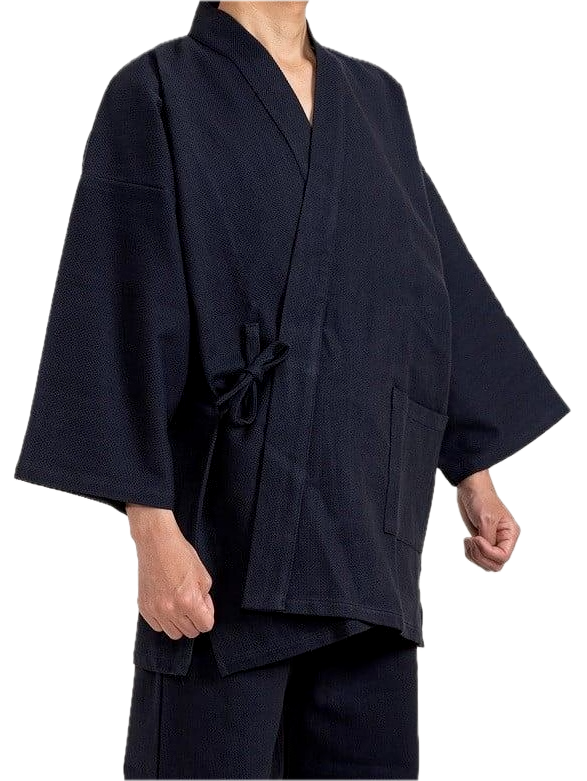

Yukata vs Kimono — Key Differences in Fabric, Season & Formality

Yukata vs Kimono — Key Differences in Fabric, Season & Formality
If you are searching for the difference between a Japanese yukata and a kimono, you are not alone. Although both garments share a similar T-shaped structure, they differ significantly in fabric, seasonality, sleeve type, cultural context, and level of formality.
At BujindoShop, we work directly with Japanese manufacturers producing traditional garments for men, women, and children in cotton, polyester, silk, and specialty weaves. This guide explains the real differences in a clear and structured way — so you can choose correctly.

Quick Comparison: Yukata vs Kimono
| Yukata | Kimono |
|---|---|
| Lightweight cotton | Cotton, polyester, silk, sateen, shantung |
| Summer wear | All seasons |
| Casual & informal | Ranges from casual to highly formal |
| No underlayers required | Traditionally layered |
| Festivals, home, ryokan | Ceremonies, events, formal occasions |

1. Fabric Differences — The Most Important Distinction
Yukata Fabric: Breathable Cotton
Traditional yukata are made primarily from 100% cotton. Modern manufacturing often includes shrink-resistant finishes (防縮加工), ensuring durability after washing.
Cotton yukata are:
- Lightweight
- Breathable
- Comfortable in heat
- Easy to maintain
Men’s designs often feature motifs such as dragons, Mt. Fuji, samurai imagery, bamboo, cranes, and calligraphy. Women’s designs emphasize sakura, peony, iris, plum blossom, cranes, and flowing water patterns.
Explore our full selection:
→ Japanese Yukata Collection
Kimono Fabric: Greater Variety & Structure
Kimono are available in multiple fabrics:
- Cotton Broadcloth — structured and durable
- Cotton Sateen — smoother surface with slight sheen
- Cotton Shantung — textured and heavier
- Polyester Sateen — vibrant colors and wrinkle resistance
- Silk Sateen — premium elegance and formal drape
Silk kimono, especially silk sateen models, represent the highest level of refinement and are reserved for more formal contexts.
Browse our Kimono Collection:
→ Authentic Japanese Kimono

2. Seasonal Differences — When to Wear Each
Yukata: Summer Garment
Yukata are worn during:
- Summer festivals (matsuri)
- Fireworks events
- Onsen visits
- At home during warm seasons
Because they are unlined and lightweight, they are designed specifically for hot weather.
Kimono: All-Season Adaptability
Kimono can be worn year-round depending on:
- Fabric weight
- Layering
- Occasion
Cotton kimono may resemble yukata in comfort but carry more formal structure. Silk kimono are appropriate for ceremonies and formal gatherings.

3. Formality Levels — Casual vs Refined
Yukata = Informal
Yukata are casual garments. Even elaborate designs remain informal. They are ideal for relaxed environments, cultural festivals, or home wear.
Kimono = Wide Formal Range
Kimono can range from:
- Casual cotton models
- Decorative embroidered pieces
- Formal silk designs
Embroidery, satin finishes, long sleeves (振袖), and luxury fabrics increase formality.

4. Sleeve Types & Construction
Yukata typically feature straight sleeves (筒袖).
Kimono may feature:
- Straight sleeves (casual)
- Long flowing sleeves (formal women’s kimono)
This distinction alone can significantly affect appearance and perceived elegance.

5. Size Range & Fit
Yukata and kimono are available for:
- Men (S to 3L)
- Women (S to LL)
- Children (0–10 years)
- Wide Size models (extra width, same length as M)
Wide Size garments provide additional room without increasing length — ideal for broader builds.

6. Design Themes — Motif Philosophy
Men’s Themes
- Dragon & Mt. Fuji
- Samurai imagery
- Japanese crests (Aoi)
- Calligraphy
- Rising dragon & flame motifs
Women’s Themes
- Sakura & cherry blossom variations
- Peony & chrysanthemum
- Cranes & pine
- Flowing water patterns
- Maiko & princess motifs
Kimono often include richer embroidery, gold accents, or sateen sheen enhancing visual depth.

7. Maintenance & Durability
Modern cotton yukata often include shrink-resistant finishing for easy washing.
Polyester kimono offer:
- Wrinkle resistance
- Color vibrancy
- Easy care
Silk kimono require careful handling and professional cleaning.
8. Which One Should You Choose?
Choose Yukata If:
- You want summer comfort
- You prefer easy maintenance
- You attend festivals or cultural events
- You want a relaxed traditional look
Choose Kimono If:
- You want elegance or ceremony wear
- You prefer silk or sateen fabrics
- You value embroidery details
- You seek year-round versatility
Conclusion — Understanding Tradition Through Fabric & Context
The difference between yukata and kimono is not merely seasonal — it is structural, textile, and cultural.
Yukata represent accessibility, summer lightness, and daily comfort. Kimono represent refinement, structure, and formality — especially in silk and embroidered variations.
Whether you are selecting your first traditional Japanese garment or expanding a collection, understanding fabric, sleeve type, season, and symbolism ensures the right choice.
Explore our curated collections:
→ Shop Yukata
→ Shop Kimono
-
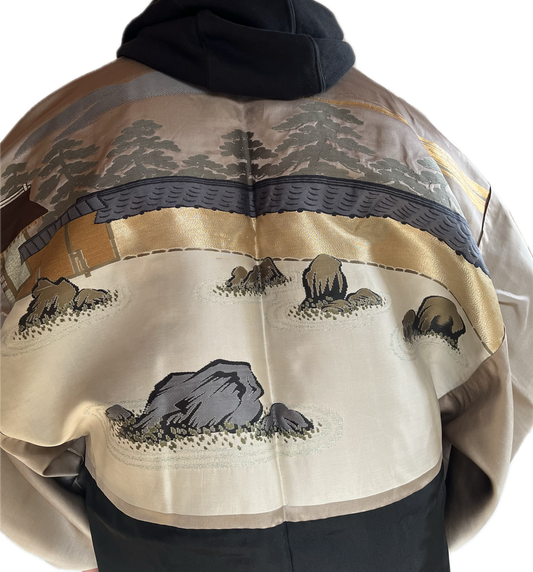
Men's Japanese Haori Black Silk Umebachi Montsuki Zen Garden of Ryoanji Temple, Kyoto
Regular price Dhs. 1,381.00Regular priceDhs. 1,842.00Sale price Dhs. 1,381.00PROMO -
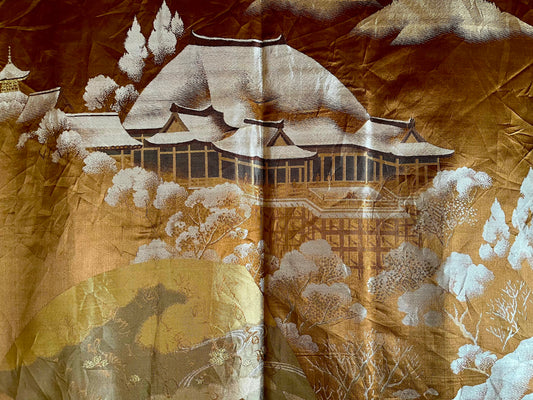
Men’s Antique Haori – Black Silk Kikyo Montsuki Kyomizudera
Regular price Dhs. 1,381.00Regular priceDhs. 1,611.00Sale price Dhs. 1,381.00PROMO -
Antique Men’s Haori Jacket - Zen Garden of Ryoanji Temple, Kyoto (Deluxe Edition)
Regular price Dhs. 1,379.00Regular priceDhs. 1,840.00Sale price Dhs. 1,379.00PROMO -
Men’s Antique Japanese Haori – Black Silk Tsuru Montsuki with Golden Samurai Helmet (Kabuto)
Regular price Dhs. 1,345.00Regular priceDhs. 1,437.00Sale price Dhs. 1,345.00PROMO -
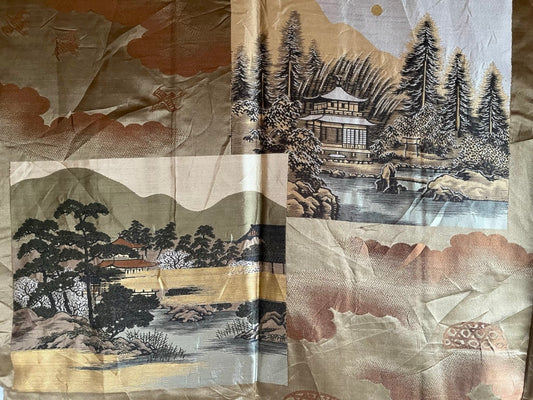
Men’s Haori Antique - Black Silk Dakimyoga Montsuki Temple Ginkakuji & Kinkakuji Kyoto
Regular price Dhs. 1,242.00Regular priceDhs. 1,611.00Sale price Dhs. 1,242.00PROMO -
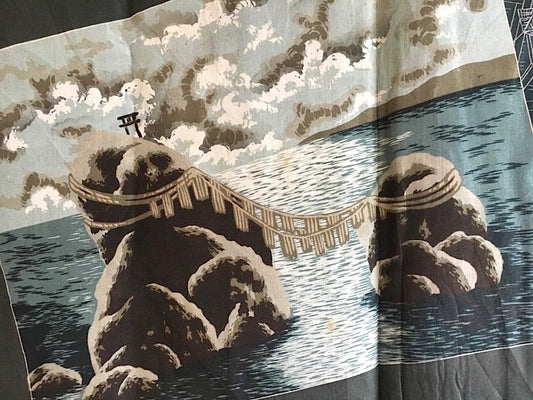
Men’s Japanese Haori Black Silk Katabami Montsuki Meoto Iwa Ise
Regular price Dhs. 1,233.00Regular priceDhs. 1,383.00Sale price Dhs. 1,233.00PROMO -
Antique Men’s Haori - Black Silk Montsuki Ginkakuji & Arashiyama Pattern Made in Japan
Regular price Dhs. 1,151.00Regular priceDhs. 1,345.00Sale price Dhs. 1,151.00PROMO -
Men’s Haori Black Silk Mokkou Montsuki Kyomizu Dera Kyoto
Regular price Dhs. 1,121.00Regular priceDhs. 1,383.00Sale price Dhs. 1,121.00PROMO -
Men’s Haori Black Silk Katabami Montsuki Fuji & Dragon RYU
Regular price Dhs. 1,121.00Regular priceDhs. 1,383.00Sale price Dhs. 1,121.00PROMO -
Japanese Men's Formal Haori Black Silk Futatsu Hiki MonTsuki Japan Paris Art Style
Regular price Dhs. 1,034.00Regular priceDhs. 1,293.00Sale price Dhs. 1,034.00PROMO -
Men’s Vintage Haori Black SilK Samurai Crest Botan Kuyo
Regular price Dhs. 739.00Regular priceDhs. 821.00Sale price Dhs. 739.00PROMO -
Men’s Antique Haori – Black Silk Futatsu Hiki Montsuki – Sansui Gaden
Regular price Dhs. 688.00Regular priceDhs. 919.00Sale price Dhs. 688.00PROMO -
Men’s Antique Black Silk Haori Sumitate Yotsume Montsuki Toshogu Yomeimon Nikko
Regular price Dhs. 896.00Regular priceDhs. 1,342.00Sale price Dhs. 896.00PROMO -
Men's Haori – Black Silk Kenkatabami Montsuki – Shinto Shrine
Regular price Dhs. 596.00Regular priceDhs. 923.00Sale price Dhs. 596.00Sold out -
Antique Japanese Haori Black Silk Montsuki with Mitsukashiwa Crests Hunting Scene
Regular price Dhs. 596.00Regular priceDhs. 919.00Sale price Dhs. 596.00Sold out -
Men's Antique Japanese Haori Jacket Black Silk Mokkou Montsuki Dragon VS Tiger
Regular price Dhs. 896.00Regular priceDhs. 1,345.00Sale price Dhs. 896.00PROMO -
Men's Haori Black Silk Mokkou Montsuki The SkyCastle "Takeda-Jo " Made in Japan
Regular price Dhs. 870.00Regular priceDhs. 933.00Sale price Dhs. 870.00PROMO -
Men’s Antique Haori Black Silk Takanohane Montsuki SADO (Tea Ceremony)
Regular price Dhs. 877.00Regular priceDhs. 1,102.00Sale price Dhs. 877.00PROMO -
Men's Antique Samurai Haori Black Silk Monstuki– Busho no Ikusa
Regular price Dhs. 919.00Regular priceDhs. 1,381.00Sale price Dhs. 919.00PROMO -
Men's Haori antique - Agarifuji Montsuki Tiger VS Dragon
Regular price Dhs. 919.00Regular priceDhs. 1,334.00Sale price Dhs. 919.00PROMO -
Antique Japanese Men’s Haori - Black Silk Katabami Montsuki with Horyuji Temple
Regular price Dhs. 525.00Regular priceDhs. 686.00Sale price Dhs. 525.00Sold out -
Men’s Antique Traditional Japanese Haori Black Silk Montsuki OchaWashitsu
Regular price Dhs. 919.00Regular priceDhs. 1,519.00Sale price Dhs. 919.00PROMO -
Men’s Antique Japanese Haori Tachibana Montsuki Kinkakuji & Jinja Kyoto
Regular price Dhs. 873.00Regular priceDhs. 1,334.00Sale price Dhs. 873.00PROMO -
Men’s Japanese Haori – Black Silk Katabami Montsuki Kyomizudera Temple & Himeji Castle
Regular price Dhs. 873.00Regular priceDhs. 1,334.00Sale price Dhs. 873.00PROMO -
Men’s Antique Haori – Black Silk Tachibana Montsuki – Aki no Nihon Fūkei
Regular price Dhs. 577.00Regular priceDhs. 772.00Sale price Dhs. 577.00Sold out