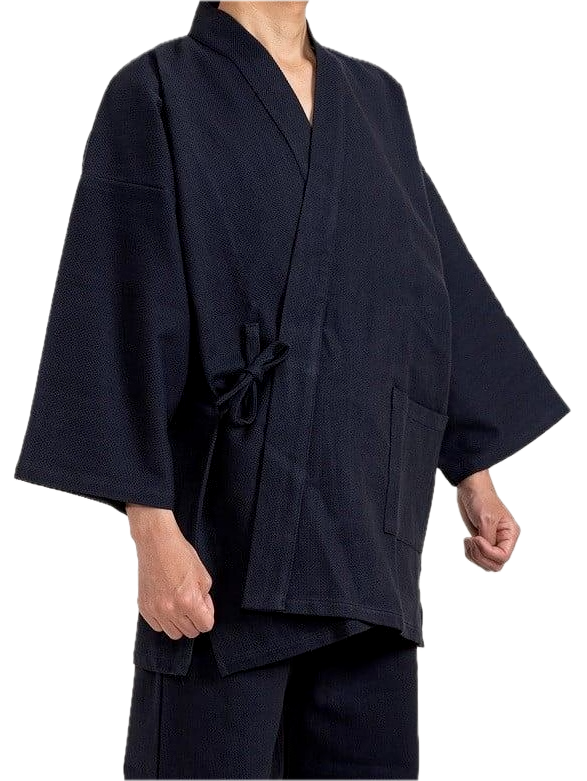

Hanten vs Haori vs Samue – How to Choose the Right Japanese Jacket

Hanten vs Haori vs Samue — Differences & How to Choose the Right Japanese Jacket
Choosing the right traditional Japanese jacket can be confusing, especially when deciding between a Hanten, a Haori, or a Samue. Each garment has a distinct history, purpose, and ideal use depending on season, lifestyle, and personal intention.
This guide provides a clear comparison to help you make the right choice — whether for winter warmth, daily wear, meditation, or refined Japanese style.
Quick Comparison Table — Hanten vs Haori vs Samue
| Garment | Main Use | Season | Warmth Level | Indoor / Outdoor |
|---|---|---|---|---|
| Hanten | Winter homewear, warmth | Winter | High | Mainly indoor |
| Haori | Outer jacket, elegance | All seasons | Low to medium | Mainly outdoor |
| Samue | Daily wear, meditation | All seasons | Low to medium | Indoor & outdoor |

What Is a Hanten?
The Hanten is a traditional Japanese padded winter jacket designed for warmth and comfort inside the home. Originally worn during the Edo period, it was commonly used in unheated Japanese houses.
Modern hanten jackets feature quilted cotton fabrics, soft padding, and a relaxed fit that allows free movement. They are ideal for cold winter evenings, home practice, or calm daily life.
👉 Explore authentic winter models: Winter Hanten Collection

What Is a Haori?
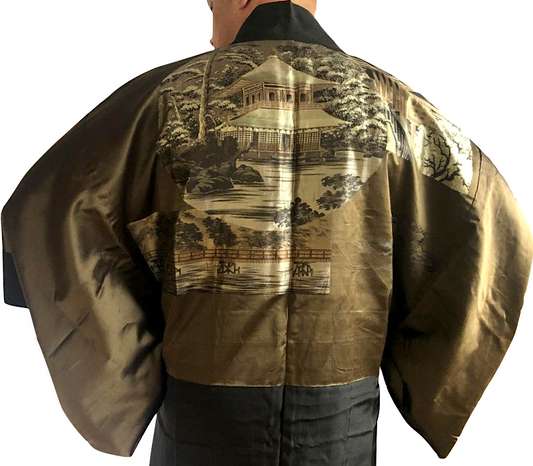
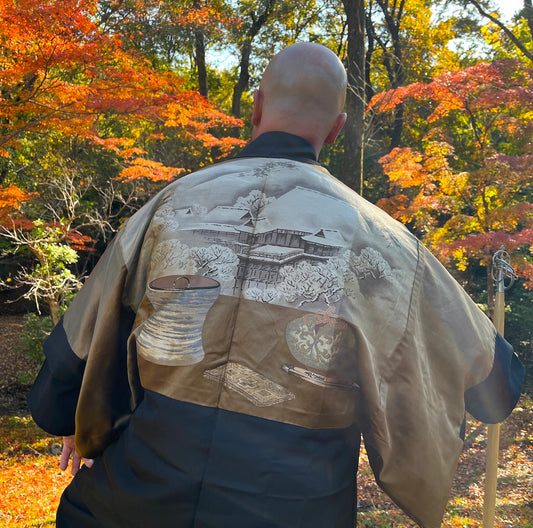
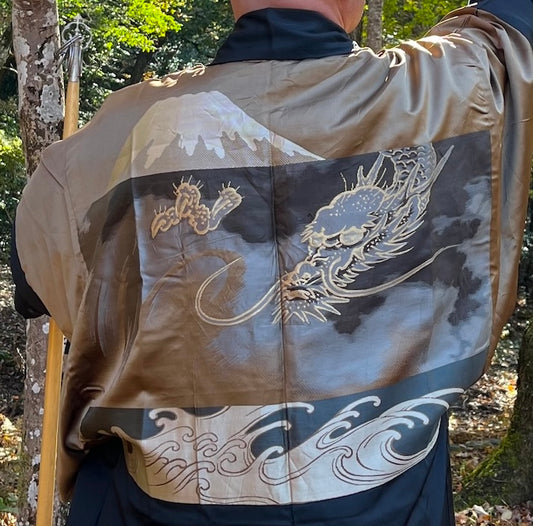
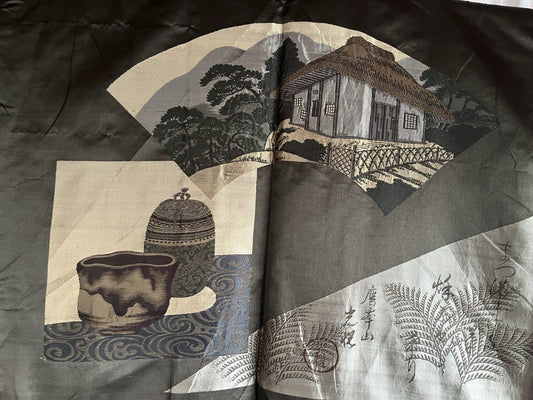
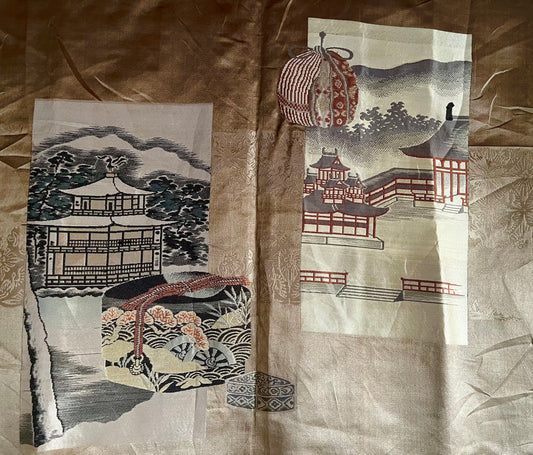
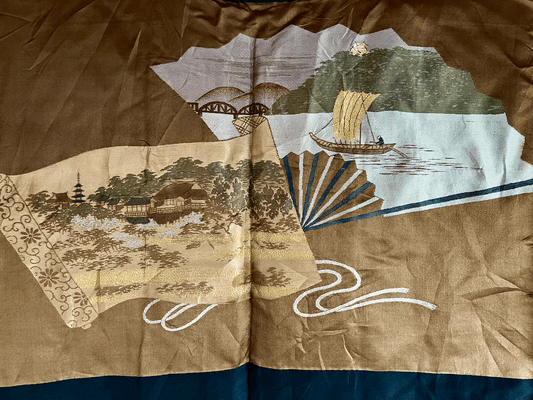
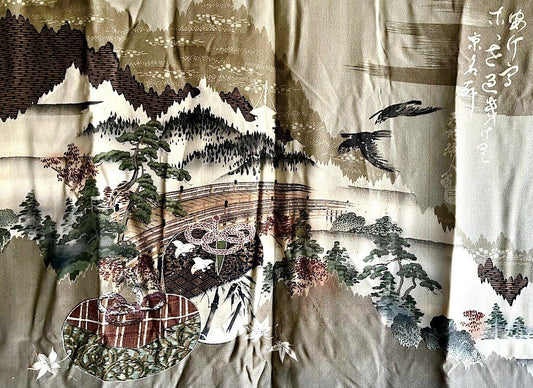
The Haori is a short kimono jacket traditionally worn over a kimono by samurai and townsmen. Unlike the hanten, the haori is not padded and focuses on style, symbolism, and layering.
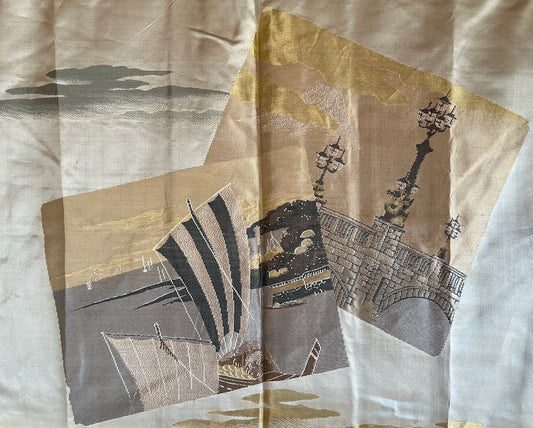
Today, haori jackets are appreciated for their versatility and elegance. They can be worn casually or formally, indoors or outdoors, and are often chosen for their artistic linings and historical motifs.
👉 Discover Japanese haori jackets: Haori Collection

What Is a Samue?
The Samue originates from Zen Buddhism and was originally worn by monks during temple work (samu 作務). It later became popular among martial artists, calligraphers, and practitioners of meditation.
Samue garments are lightweight, breathable, and designed for comfort and mindful movement. They are suitable for daily wear, relaxation, and spiritual practice throughout the year.
👉 View authentic Japanese samue: Samue Collection
Hanten vs Haori vs Samue — Key Differences Explained
Warmth & Insulation
If warmth is your priority, the hanten is clearly the best option. Its padded structure provides superior insulation compared to the haori or samue.
Indoor vs Outdoor Use
- Hanten: Primarily indoor winter wear
- Haori: Outdoor layering jacket
- Samue: Indoor and outdoor daily wear
Style & Symbolism
Haori jackets often carry historical patterns and artistic linings. Samue reflects simplicity and Zen philosophy. Hanten emphasizes warmth, comfort, and domestic life.
Which One Should You Choose?
- Choose a Hanten if you want maximum warmth during winter at home.
- Choose a Haori if you seek elegance, tradition, and layering versatility.
- Choose a Samue if you value comfort, meditation, and everyday mindfulness.
1-Minute Decision Guide
✔ Cold winter evenings at home → Hanten
✔ Refined Japanese outerwear → Haori
✔ Meditation, daily wear, relaxation → Samue
FAQ — Hanten vs Haori vs Samue
Is a hanten warmer than a haori?
Yes. A hanten is padded and designed specifically for winter warmth, while haori jackets are not insulated.
Can a samue be worn outside?
Yes. Samue can be worn both indoors and outdoors, especially modern designs made for daily wear.
Which Japanese jacket is best for winter?
For winter warmth, the hanten is the best choice. For style layering, consider a haori over warm clothing.

Where to Buy Authentic Japanese Jackets
At BujindoShop, all garments are carefully selected for authenticity, quality, and traditional craftsmanship.
Each piece reflects Japanese culture, comfort, and timeless design — chosen for modern life with traditional roots.
-
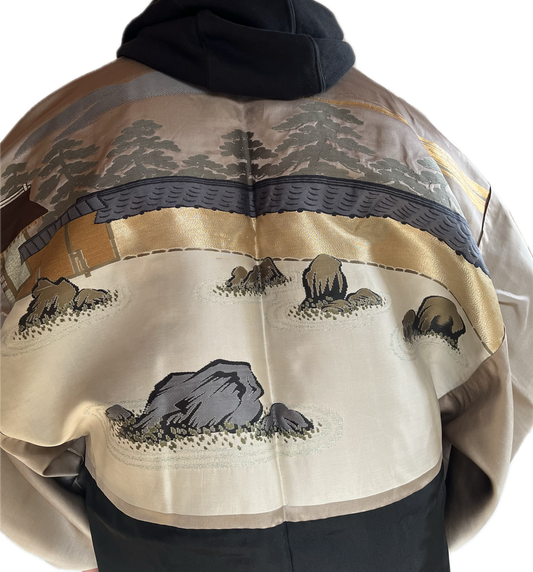
Men's Japanese Haori Black Silk Umebachi Montsuki Zen Garden of Ryoanji Temple, Kyoto
Regular price Dhs. 1,381.00Regular priceDhs. 1,842.00Sale price Dhs. 1,381.00PROMO -
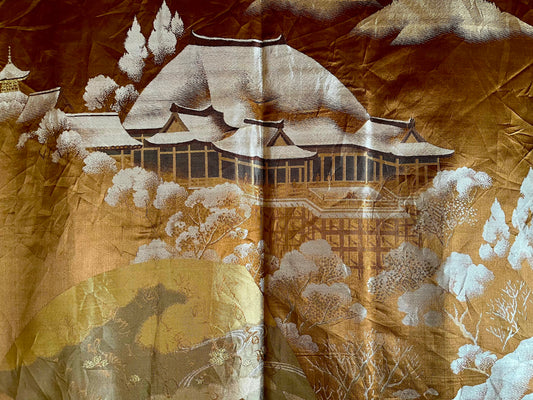
Men’s Antique Haori – Black Silk Kikyo Montsuki Kyomizudera
Regular price Dhs. 1,381.00Regular priceDhs. 1,611.00Sale price Dhs. 1,381.00PROMO -
Antique Men’s Haori Jacket - Zen Garden of Ryoanji Temple, Kyoto (Deluxe Edition)
Regular price Dhs. 1,379.00Regular priceDhs. 1,840.00Sale price Dhs. 1,379.00PROMO -
Men’s Antique Japanese Haori – Black Silk Tsuru Montsuki with Golden Samurai Helmet (Kabuto)
Regular price Dhs. 1,345.00Regular priceDhs. 1,437.00Sale price Dhs. 1,345.00PROMO -
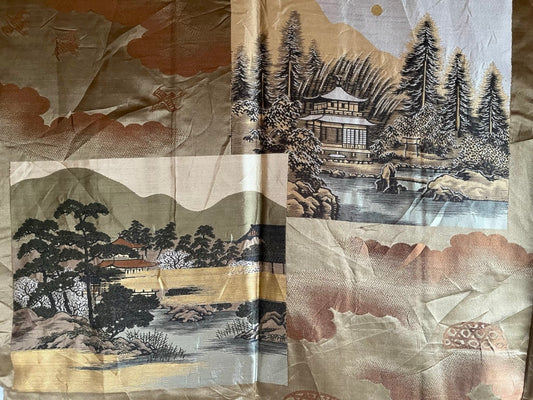
Men’s Haori Antique - Black Silk Dakimyoga Montsuki Temple Ginkakuji & Kinkakuji Kyoto
Regular price Dhs. 1,242.00Regular priceDhs. 1,611.00Sale price Dhs. 1,242.00PROMO -
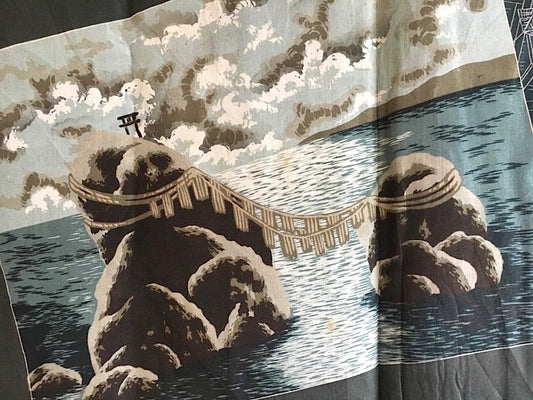
Men’s Japanese Haori Black Silk Katabami Montsuki Meoto Iwa Ise
Regular price Dhs. 1,233.00Regular priceDhs. 1,383.00Sale price Dhs. 1,233.00PROMO -
Antique Men’s Haori - Black Silk Montsuki Ginkakuji & Arashiyama Pattern Made in Japan
Regular price Dhs. 1,151.00Regular priceDhs. 1,345.00Sale price Dhs. 1,151.00PROMO -
Men’s Haori Black Silk Mokkou Montsuki Kyomizu Dera Kyoto
Regular price Dhs. 1,121.00Regular priceDhs. 1,383.00Sale price Dhs. 1,121.00PROMO -
Men’s Haori Black Silk Katabami Montsuki Fuji & Dragon RYU
Regular price Dhs. 1,121.00Regular priceDhs. 1,383.00Sale price Dhs. 1,121.00PROMO -
Japanese Men's Formal Haori Black Silk Futatsu Hiki MonTsuki Japan Paris Art Style
Regular price Dhs. 1,034.00Regular priceDhs. 1,293.00Sale price Dhs. 1,034.00PROMO -
Men’s Vintage Haori Black SilK Samurai Crest Botan Kuyo
Regular price Dhs. 739.00Regular priceDhs. 821.00Sale price Dhs. 739.00PROMO -
Men’s Antique Haori – Black Silk Futatsu Hiki Montsuki – Sansui Gaden
Regular price Dhs. 688.00Regular priceDhs. 919.00Sale price Dhs. 688.00PROMO -
Men’s Antique Black Silk Haori Sumitate Yotsume Montsuki Toshogu Yomeimon Nikko
Regular price Dhs. 896.00Regular priceDhs. 1,342.00Sale price Dhs. 896.00PROMO -
Men's Haori – Black Silk Kenkatabami Montsuki – Shinto Shrine
Regular price Dhs. 596.00Regular priceDhs. 923.00Sale price Dhs. 596.00Sold out -
Antique Japanese Haori Black Silk Montsuki with Mitsukashiwa Crests Hunting Scene
Regular price Dhs. 596.00Regular priceDhs. 919.00Sale price Dhs. 596.00Sold out -
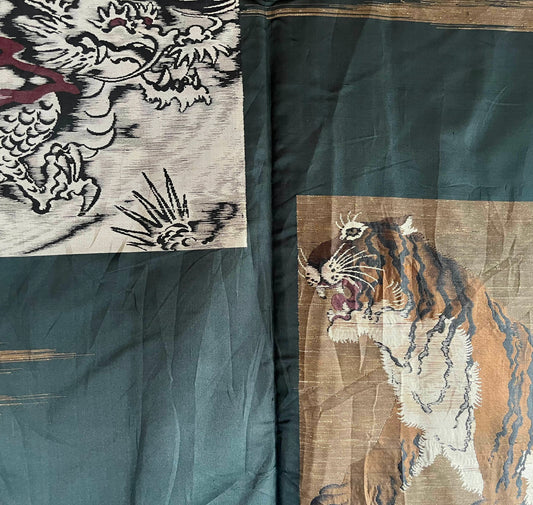
Men's Antique Japanese Haori Jacket Black Silk Mokkou Montsuki Dragon VS Tiger
Regular price Dhs. 896.00Regular priceDhs. 1,345.00Sale price Dhs. 896.00PROMO -
Men's Haori Black Silk Mokkou Montsuki The SkyCastle "Takeda-Jo " Made in Japan
Regular price Dhs. 870.00Regular priceDhs. 933.00Sale price Dhs. 870.00PROMO -
Men’s Antique Haori Black Silk Takanohane Montsuki SADO (Tea Ceremony)
Regular price Dhs. 877.00Regular priceDhs. 1,102.00Sale price Dhs. 877.00PROMO -
Men's Antique Samurai Haori Black Silk Monstuki– Busho no Ikusa
Regular price Dhs. 919.00Regular priceDhs. 1,381.00Sale price Dhs. 919.00PROMO -
Men's Haori antique - Agarifuji Montsuki Tiger VS Dragon
Regular price Dhs. 919.00Regular priceDhs. 1,334.00Sale price Dhs. 919.00PROMO -
Antique Japanese Men’s Haori - Black Silk Katabami Montsuki with Horyuji Temple
Regular price Dhs. 525.00Regular priceDhs. 686.00Sale price Dhs. 525.00Sold out -
Men’s Antique Traditional Japanese Haori Black Silk Montsuki OchaWashitsu
Regular price Dhs. 919.00Regular priceDhs. 1,519.00Sale price Dhs. 919.00PROMO -
Men’s Antique Japanese Haori Tachibana Montsuki Kinkakuji & Jinja Kyoto
Regular price Dhs. 873.00Regular priceDhs. 1,334.00Sale price Dhs. 873.00PROMO -
Men’s Japanese Haori – Black Silk Katabami Montsuki Kyomizudera Temple & Himeji Castle
Regular price Dhs. 873.00Regular priceDhs. 1,334.00Sale price Dhs. 873.00PROMO -
Men’s Antique Haori – Black Silk Tachibana Montsuki – Aki no Nihon Fūkei
Regular price Dhs. 577.00Regular priceDhs. 772.00Sale price Dhs. 577.00Sold out