How to Wear a Japanese Haori: Style Guide for Men

How to Wear a Japanese Haori — Traditional Rules & Modern Style
The Japanese haori is a short kimono-style jacket traditionally worn over kimono, and today appreciated as a refined layer for ryokan/onsen, mindful daily wear, and modern fashion. In this guide, you’ll learn how to wear a haori properly, what the traditional rules are, and how to style different men’s haori types—from casual cotton and polyester haori to tsumugi, formal black silk (montsuki), and special pieces like jinbaori and busho-baori.
This practical SEO/AEO guide includes step-by-step instructions, outfit formulas, etiquette tips, and quick answers to the most common questions.
Quick Answer (AEO): How Do You Wear a Haori?
Wear a haori like a light jacket: put it on over a kimono or outfit, let it hang straight, and tie the haori himo (decorative cords) loosely at the chest. A haori is not wrapped like a kimono and is usually worn open. For modern styling, pair it with a simple shirt and trousers, keeping the silhouette clean and the patterns balanced.

What Is a Haori? (Traditional Use & Modern Purpose)
Historically, men wore haori as an outer layer for warmth, status, and elegance—especially when leaving home. A haori adds structure and refinement without the formality of full kimono wear. Today, it’s ideal for:
- Ryokan & onsen stays: comfortable layers over yukata or loungewear.
- Daily minimalist style: a statement jacket with clean lines.
- Ceremonial events: formal black silk haori for respectful occasions.
- Collectors & culture lovers: antique haori with symbolic linings and family crests.
Traditional Rules: The Correct Way to Wear a Haori
1) A Haori Is Not Wrapped Like a Kimono
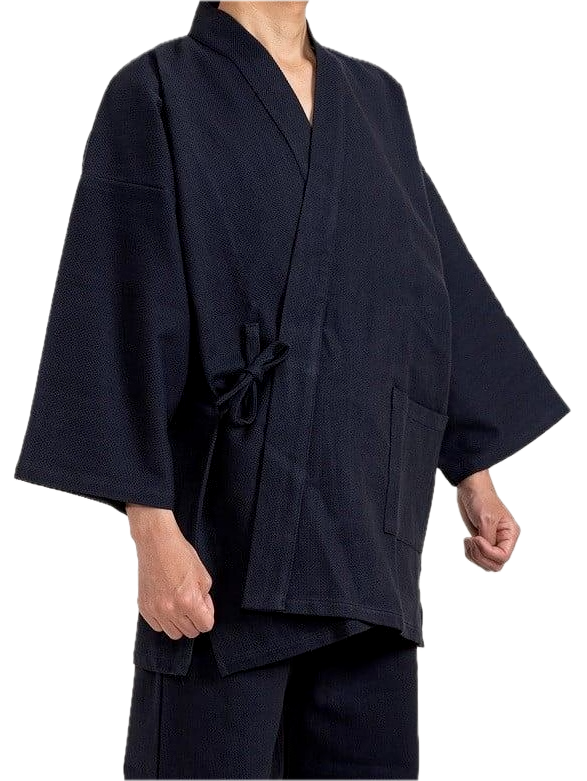
Unlike kimono, a haori is worn open. You do not overlap the front panels tightly. The haori should fall naturally, creating a vertical line that looks relaxed and elegant.

2) Use Haori Himo (Cords) Correctly
The haori himo are tied lightly at the upper chest—never pulled tight. Their purpose is aesthetic and symbolic, not functional closure.
- Traditional: tie the cords in a simple, balanced knot (symmetry matters).
- Modern: you can leave the cords untied for a cleaner street look.
3) Keep the Collar Neat
The collar should sit flat and clean along the neck. Avoid bunching and avoid overly bulky layers that distort the silhouette.
4) Length & Fit: Aim for a Clean Line
Haori should feel easy at the shoulders and chest. Traditional haori are slightly roomy to allow kimono layers underneath. In modern wear, choose a fit that stays comfortable while keeping a crisp drape.

Modern Styling: How to Wear a Haori with Western Clothes
The best modern haori styling keeps a simple base outfit and lets the haori carry the personality. Use these reliable outfit formulas:
Modern Outfit Formula (Easy & Clean)
- Top: plain T-shirt, henley, or minimalist shirt (solid color).
- Bottom: straight trousers, wide pants, or dark denim.
- Shoes: minimalist sneakers, leather shoes, or traditional slippers at home.
- Rule: if the haori is patterned, keep everything else plain.
Modern Outfit Formula (Japanese-Inspired)
- Top: samue top, jinbei top, or a simple kimono-style shirt.
- Bottom: wide pants or tapered traditional pants.
- Extra: tabi socks for an authentic touch.

Haori Types for Men: Which Haori Should You Wear?
Different haori fabrics and styles match different settings. Below is a practical guide to the main men’s haori types, including the models commonly found in curated traditional boutiques.

1) Classic Cotton or Polyester Haori (Ryokan / Onsen / Easy Wear)
Classic men’s haori made from cotton or easy-care polyester are ideal for relaxed daily use, ryokan stays, and onsen environments. These models prioritize comfort, simplicity, and practicality.
- Best for: ryokan stays, onsen trips, home wear, casual outings.
- Style tip: pair with neutral trousers and a plain tee for a clean look.
- Care: generally easy wash (always follow the product care label).
👉 Explore: Men’s Classic Haori Collection

2) Classic Tsumugi Haori (Textured Elegance for Daily Life)
Tsumugi refers to a traditional textured weave often associated with understated refinement. A classic tsumugi haori offers a calm, grounded presence—perfect for those who want tradition without being overly formal.
- Best for: daily wear, cultural events, quiet luxury style.
- Style tip: tsumugi pairs beautifully with matte fabrics and minimal accessories.
- Feel: structured but comfortable, with a distinctive textile character.

3) Formal Black Silk Haori (Ceremony / Montsuki Tradition)
Formal men’s haori are traditionally made of black silk, often bearing family crests (kamon). These haori are worn for ceremonies and formal occasions, reflecting dignity and respect.
- Best for: ceremonies, formal gatherings, traditional events, cultural performances.
- Traditional pairing: formal kimono + hakama + black silk haori.
- Modern pairing: keep it extremely minimal (all-black base outfit) and avoid loud prints.
👉 Discover: Men’s Antique Formal Haori
4) Antique Traditional Haori (Symbolism & Craftsmanship)
Antique traditional haori are prized for their craftsmanship, handwoven fabrics, and symbolic linings. Each piece is unique and carries a strong cultural identity.
- Best for: collectors, statement style, cultural connoisseurs.
- Style tip: let the haori be the focal point—no competing patterns.
- Note: antique sizing can vary; always check measurements.
👉 View: Men’s Antique Traditional Haori

5) Summer Haori (Lightweight Seasonal Layer)
Summer haori are designed for warmth management: lighter fabric, airy structure, and seasonal comfort. They’re ideal when you want a refined layer without overheating.
- Best for: warm climates, summer evenings, travel, elegant layering.
- Style tip: pair with breathable pants and light inner layers.
👉 Browse: Men’s Antique Summer Haori

6) Jinbaori (陣羽織) — Samurai-Inspired Layer
Jinbaori historically refers to a battlefield over-vest worn over armor. In modern traditional wear, jinbaori-inspired pieces offer a powerful silhouette and a distinctly warrior aesthetic.
- Best for: festivals, cultural events, collectors, statement outfits.
- Style tip: keep the base outfit monochrome to emphasize the form.

7) Busho-baori (武将羽織) — Warlord Style & Presence
Busho-baori evokes the commanding presence of Japanese warlords. These pieces typically emphasize bold structure, heritage aesthetics, and ceremonial authority.
- Best for: reenactment, martial culture enthusiasts, dramatic traditional styling.
- Style tip: match with hakama-style trousers or wide pants for balance.

How to Wear a Haori at Ryokan / Onsen (Practical Etiquette)
Many travelers wear haori at ryokan and around onsen areas. Keep it relaxed and respectful:
- Wear the haori over your yukata or loungewear.
- Keep the haori clean and lightly tied (or untied).
- Avoid dragging sleeves near wet areas.
- Do not treat it like a robe—keep the silhouette neat.
Accessories: What to Wear with a Haori
- Tabi socks: elevate the traditional feel instantly.
- Simple belt: optional for modern styling (do not wrap the haori like a kimono).
- Minimal bag: leather or canvas with clean shape.
- Jewelry: subtle only—let the textile speak.

FAQ: Quick Answers About Wearing Haori
Can you wear a haori without a kimono?
Yes. Today, many people wear a haori over Western clothes. Choose a simple base outfit and let the haori provide the structure and style.
Do you tie a haori closed?
Traditionally, you tie the haori himo lightly at the chest, but the haori remains mostly open. You never wrap it tightly like a kimono.
Is a black silk haori always formal?
In Japanese tradition, black silk haori—especially with family crests—is a formal ceremonial item. For modern use, keep styling minimal and respectful.
What’s the best haori for ryokan and onsen?
A cotton or easy-care polyester haori is ideal: comfortable, practical, and relaxed while still looking refined.
What’s the difference between haori and hanten?
A haori is a refined jacket layer traditionally worn over kimono; a hanten is a padded winter jacket designed primarily for warmth at home.
Buying Tip: Choose Your Haori by Occasion
| Occasion | Recommended Haori Type | Why |
|---|---|---|
| Daily / Ryokan Wear | Classic Cotton or Polyester Haori | Comfort, easy care, relaxed elegance |
| Daily Modern Wear | Tsumugi / Classic Casual Haori | Texture + understated elegance |
| Formal Ceremony | Black Silk Formal Haori | Traditional dignity and respect |
| Traditional / Collector | Antique Traditional Haori | Craftsmanship, symbolism, uniqueness |
| Summer Layering | Summer Antique Haori | Lightweight comfort in warm weather |
| Martial / Warlord Aesthetic | Jinbaori / Busho-baori | Strong silhouette & heritage presence |

Conclusion: Wear Your Haori with Intention
The Japanese haori is more than a jacket—it's a quiet expression of culture, balance, and refined presence. Whether you choose a practical ryokan haori, a textured tsumugi haori, a formal black silk ceremonial haori, or a powerful jinbaori / busho-baori, the key is the same: keep the silhouette clean, respect the textile, and let the haori speak.
Explore our curated collections of men’s haori—ranging from classic ryokan styles to formal black silk pieces, as well as traditional antiques and lightweight summer haori. Each haori is selected for authenticity, craftsmanship, and timeless Japanese elegance.

Complete Your Haori Style with an Antique Formal Haori
When learning how to wear a Japanese haori, it is important to understand the difference between a casual haori jacket and a men’s antique formal haori. A formal antique haori is traditionally worn over a kimono for ceremonial, cultural, and elegant occasions. The most refined style is often the black silk montsuki haori, decorated with Japanese family crests called kamon.
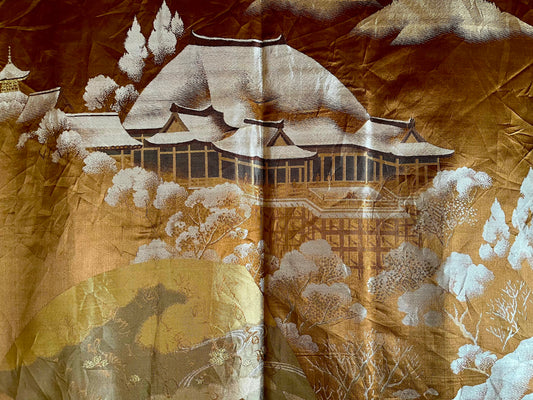
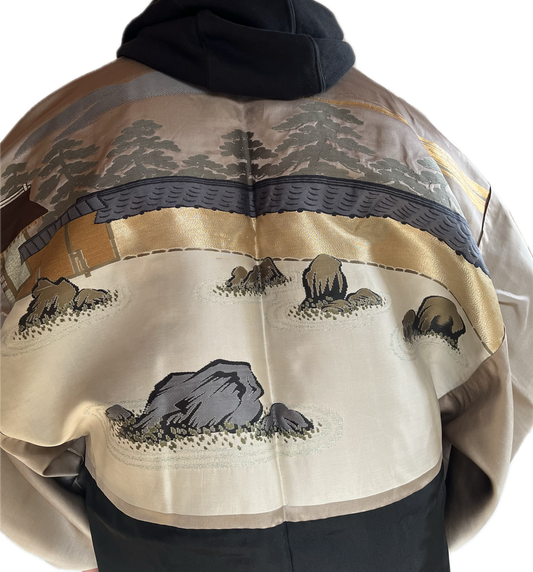
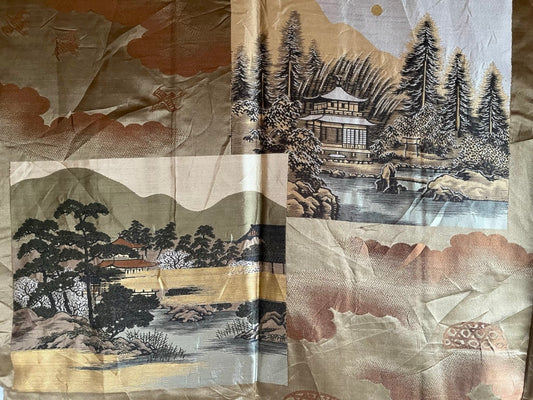
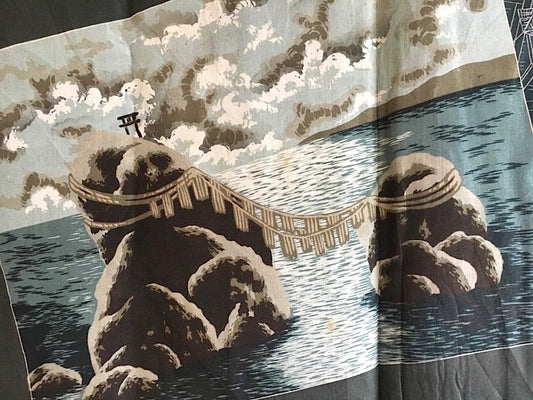
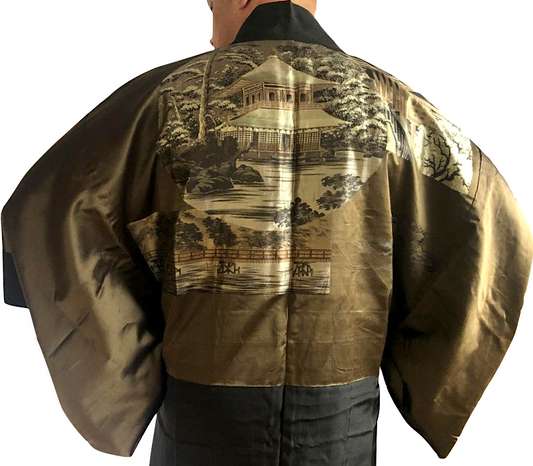
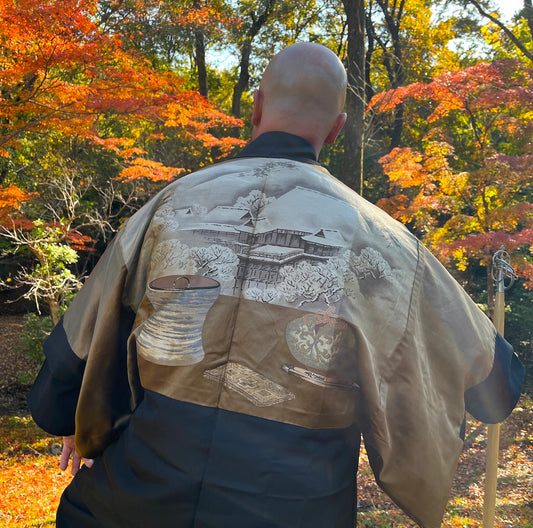
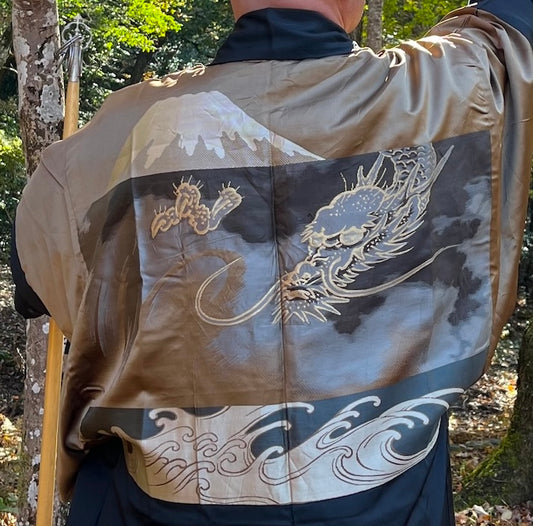
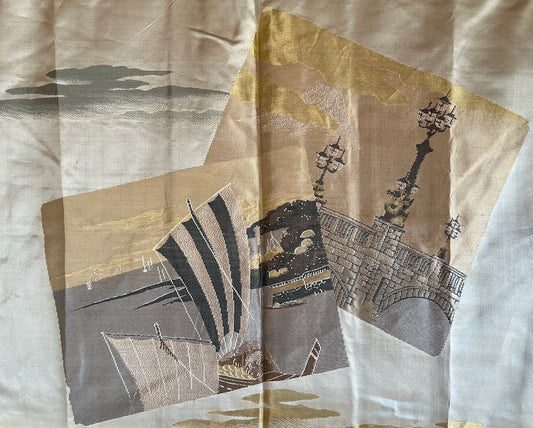
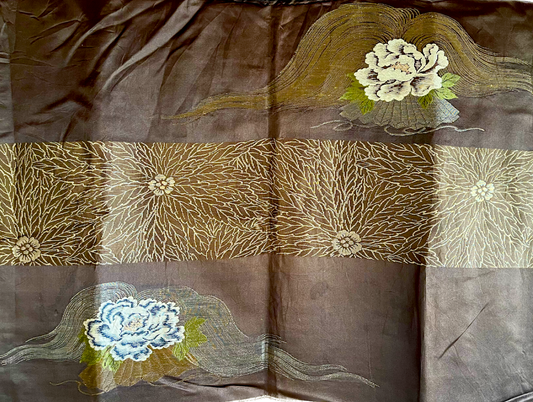
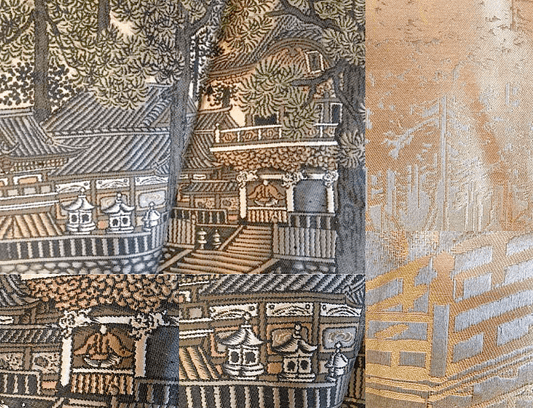
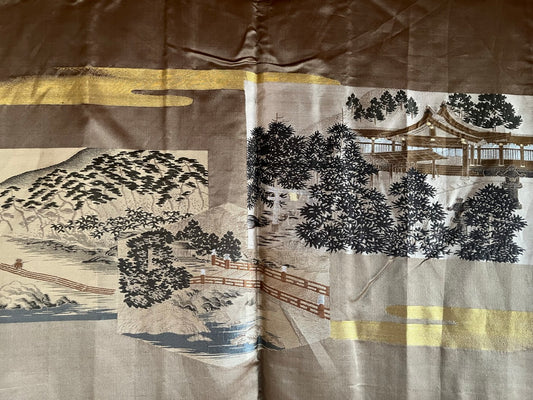
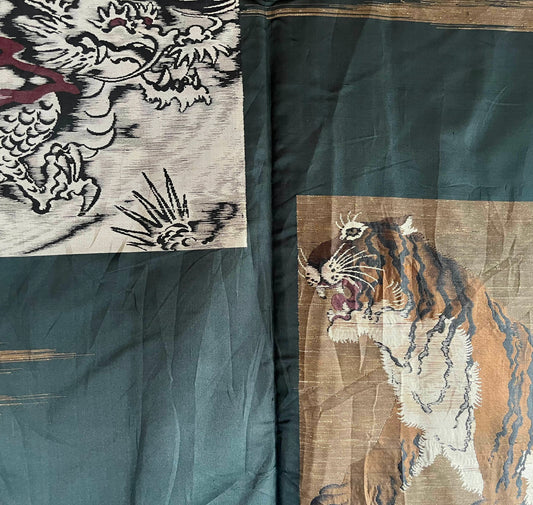
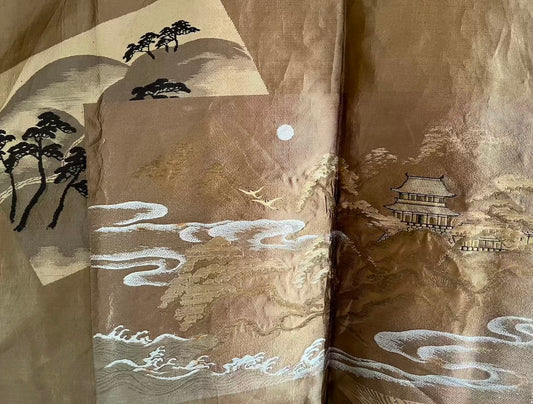
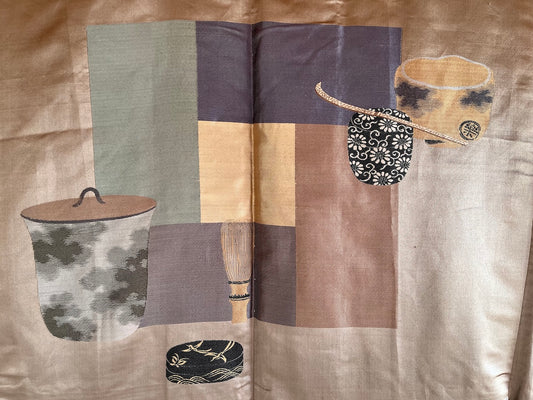
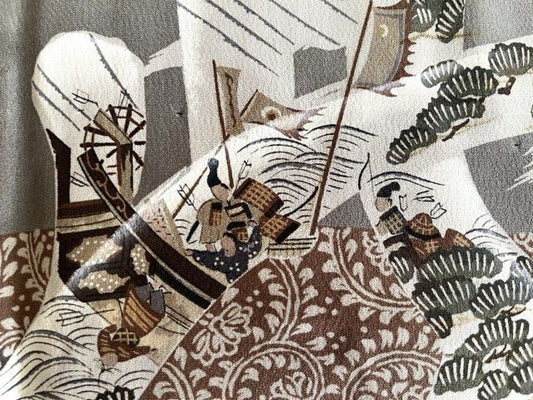
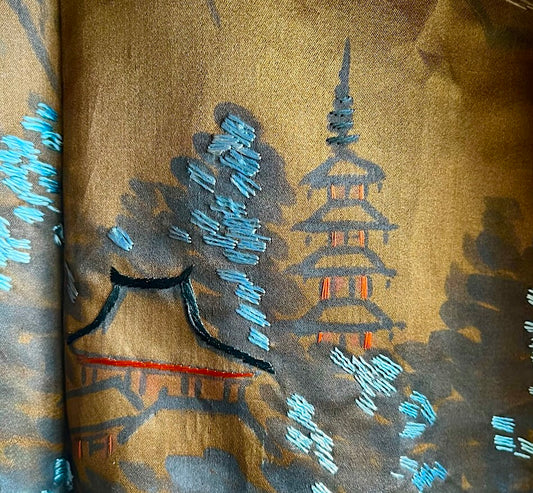
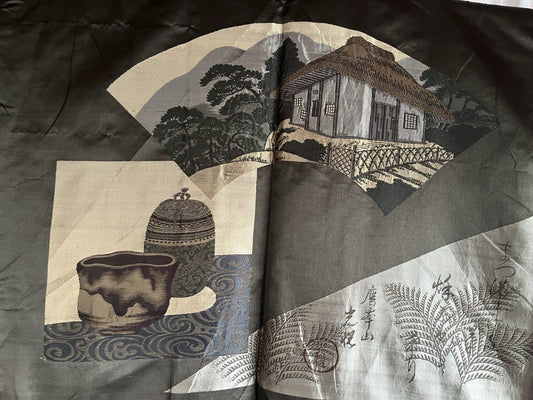
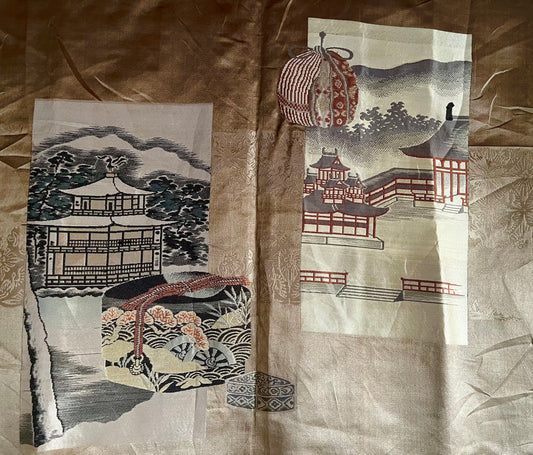
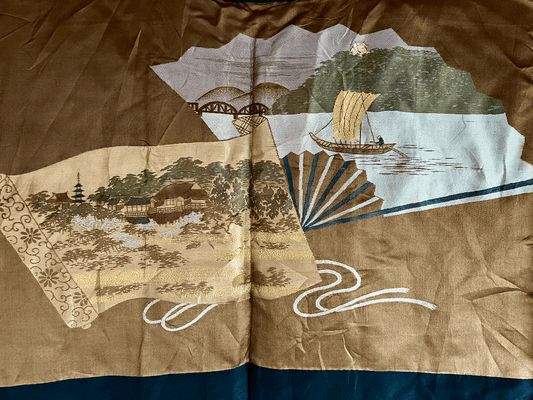
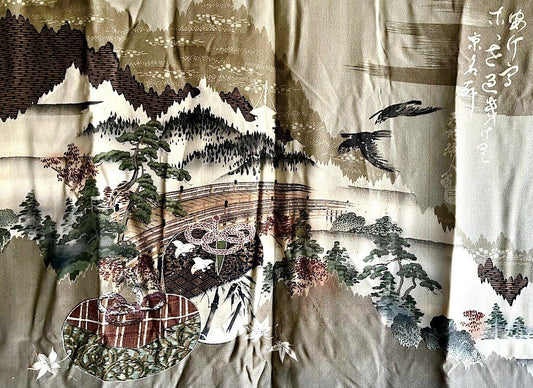
Unlike modern fashion jackets, an antique formal haori expresses dignity through restraint. The exterior is usually sober and elegant, often made from black silk, while the inner lining can reveal a much richer artistic world. Many authentic pieces feature hidden lining artwork such as Kyoto temples, Zen gardens, Mount Fuji, dragons, cranes, samurai helmets, tea ceremony scenes, shrines, seasonal landscapes, or warrior motifs.
This contrast between a quiet black exterior and a symbolic inner design is one of the most fascinating aspects of traditional Japanese menswear. For men who want to wear a haori with deeper cultural meaning, an antique formal haori can be styled over a kimono and hakama for a traditional look, or worn carefully as a statement piece in a modern outfit.
Quick Answer: A men’s antique formal haori is best for those who want a more traditional, elegant, and symbolic Japanese style. Before choosing one, check the silk quality, the kamon family crests, the hidden lining artwork, the measurements, and the condition of the garment.
What to Look for Before Wearing or Buying One
- Silk quality: black silk habutae and pure silk haori give a more formal and refined appearance.
- Kamon crests: one, three, or five family crests can indicate a more ceremonial montsuki style.
- Hidden lining: the inner artwork gives the haori its personality, symbolism, and collectible value.
- Measurements: antique haori do not follow modern Western sizing, so each piece must be checked individually.
- Condition: because each antique haori is one-of-a-kind, fabric condition and lining details are essential.
To go deeper before choosing your piece, read our full Complete Buying Guide to Men’s Antique Formal Haori . This guide explains how to compare black silk montsuki haori, kamon family crests, hidden lining themes, Kyoto temple scenes, samurai motifs, price levels, measurements, and collectible value.
-
Men's Japanese Haori Black Silk Umebachi Montsuki Zen Garden of Ryoanji Temple, Kyoto
Regular price $368.40Regular price$491.61Sale price $368.40PROMO -
Men’s Antique Haori – Black Silk Kikyo Montsuki Kyomizudera
Regular price $368.40Regular price$430.00Sale price $368.40PROMO -
Antique Men’s Haori Jacket - Zen Garden of Ryoanji Temple, Kyoto (Deluxe Edition)
Regular price $368.00Regular price$491.00Sale price $368.00PROMO -
Men’s Antique Japanese Haori – Black Silk Tsuru Montsuki with Golden Samurai Helmet (Kabuto)
Regular price $359.00Regular price$383.42Sale price $359.00PROMO -
Men’s Haori Antique - Black Silk Dakimyoga Montsuki Temple Ginkakuji & Kinkakuji Kyoto
Regular price $331.43Regular price$430.00Sale price $331.43PROMO -
Men’s Japanese Haori Black Silk Katabami Montsuki Meoto Iwa Ise
Regular price $329.00Regular price$369.00Sale price $329.00PROMO -
Antique Men’s Haori - Black Silk Montsuki Ginkakuji & Arashiyama Pattern Made in Japan
Regular price $307.00Regular price$359.00Sale price $307.00PROMO -
Men’s Haori Black Silk Mokkou Montsuki Kyomizu Dera Kyoto
Regular price $299.00Regular price$369.00Sale price $299.00PROMO -
Men’s Haori Black Silk Katabami Montsuki Fuji & Dragon RYU
Regular price $299.00Regular price$369.00Sale price $299.00PROMO -
Japanese Men's Formal Haori Black Silk Futatsu Hiki MonTsuki Japan Paris Art Style
Regular price $276.00Regular price$345.00Sale price $276.00PROMO -
Men’s Vintage Haori Black SilK Samurai Crest Botan Kuyo
Regular price $197.00Regular price$219.00Sale price $197.00PROMO -
Men’s Antique Haori – Black Silk Futatsu Hiki Montsuki – Sansui Gaden
Regular price $183.58Regular price$245.19Sale price $183.58PROMO -
Men’s Antique Black Silk Haori Sumitate Yotsume Montsuki Toshogu Yomeimon Nikko
Regular price $239.00Regular price$358.00Sale price $239.00PROMO -
Men's Haori – Black Silk Kenkatabami Montsuki – Shinto Shrine
Regular price $158.94Regular price$246.19Sale price $158.94Sold out -
Antique Japanese Haori Black Silk Montsuki with Mitsukashiwa Crests Hunting Scene
Regular price $158.90Regular price$245.19Sale price $158.90Sold out -
Men's Antique Japanese Haori Jacket Black Silk Mokkou Montsuki Dragon VS Tiger
Regular price $239.00Regular price$359.00Sale price $239.00PROMO -
Men's Haori Black Silk Mokkou Montsuki The SkyCastle "Takeda-Jo " Made in Japan
Regular price $232.00Regular price$249.00Sale price $232.00PROMO -
Men’s Antique Haori Black Silk Takanohane Montsuki SADO (Tea Ceremony)
Regular price $234.00Regular price$294.00Sale price $234.00PROMO -
Men's Antique Samurai Haori Black Silk Monstuki– Busho no Ikusa
Regular price $245.19Regular price$368.40Sale price $245.19PROMO -
Men's Haori antique - Agarifuji Montsuki Tiger VS Dragon
Regular price $245.19Regular price$356.08Sale price $245.19PROMO -
Antique Japanese Men’s Haori - Black Silk Katabami Montsuki with Horyuji Temple
Regular price $140.00Regular price$183.00Sale price $140.00PROMO -
Men’s Antique Traditional Japanese Haori Black Silk Montsuki OchaWashitsu
Regular price $245.19Regular price$405.36Sale price $245.19PROMO -
Men’s Antique Japanese Haori Tachibana Montsuki Kinkakuji & Jinja Kyoto
Regular price $232.87Regular price$356.08Sale price $232.87PROMO -
Men’s Japanese Haori – Black Silk Katabami Montsuki Kyomizudera Temple & Himeji Castle
Regular price $232.87Regular price$356.08Sale price $232.87PROMO -
Men’s Antique Haori – Black Silk Tachibana Montsuki – Aki no Nihon Fūkei
Regular price $154.00Regular price$206.00Sale price $154.00Sold out