Frequently Asked Questions – Ninjutsu, Mikkyo, Japanese Clothing & Traditional Gear
This FAQ section answers common questions about Ninjutsu equipment, Ninja Tabi, Shinobi Shozoku, Mikkyo and Buddhist garments, Japanese clothing, traditional footwear, sizing, shipping and Made in Japan products.
It is designed to help customers choose the right traditional Japanese products for martial arts practice, spiritual practice and everyday Japanese lifestyle.
Ninjutsu & Ninja Gear FAQ
1. What is traditional Ninjutsu equipment?
Traditional Ninjutsu equipment includes practical clothing and accessories used for mobility, protection, training and adaptation. Common items include Shinobi Shozoku, Ninja Tabi, Jika Tabi, Tekko, Kyahan, Obi belts and traditional martial arts garments. The exact equipment depends on the style of practice, environment and training objective.
2. What is a Shinobi Shozoku?
A Shinobi Shozoku is a traditional-style outfit associated with Ninjutsu practice. Functional models are designed for movement, flexibility and training rather than theatrical appearance. A complete set may include a jacket, trousers, hood, Tekko, Kyahan and other coordinated garments.
3. What is the difference between a Shinobi Shozoku and a ninja costume?
A Shinobi Shozoku intended for martial arts practice is designed for movement, durability and functional training. A modern ninja costume is usually made for cosplay, entertainment or decorative use. BujindoShop focuses on practical Japanese martial arts garments rather than theatrical costumes.
4. Which Shinobi Shozoku is suitable for Togakure Ryū Ninpō training?
For Togakure Ryū Ninpō practice, choose a lightweight and durable outfit that allows unrestricted movement and can be worn with Tabi, Tekko and Kyahan. Functional construction is more important than decorative appearance.
5. What are Ninja Tabi?
Ninja Tabi are traditional Japanese split-toe footwear associated with martial arts and traditional Japanese clothing. They separate the big toe from the other toes, helping support natural foot movement, balance and precise contact with the ground.
6. What is the difference between Tabi and Jika Tabi?
Tabi are traditional split-toe fabric footwear generally suitable for indoor use, dojo practice and traditional clothing. Jika Tabi have a rubber sole and are designed for outdoor use, offering more grip, durability and protection on natural terrain.
7. Are Japanese Ninja Tabi suitable for Ninjutsu training?
Yes. Traditional Ninja Tabi are suitable for Ninjutsu practice when the model provides secure fastening, flexibility and appropriate grip. Soft Tabi are often used indoors, while Jika Tabi are better suited to outdoor training.
8. How do I choose the correct Ninja Tabi size?
Japanese Tabi sizes are usually expressed in centimeters. Measure your foot from the heel to the tip of the longest toe and compare the measurement with the size information on the product page. Japanese centimeter sizing is often more precise than general US or EU conversions.
9. What are Tekko and Kyahan?
Tekko are traditional forearm or hand coverings, while Kyahan are protective leg wraps worn around the lower legs. Both are commonly associated with traditional Japanese travel, workwear and martial arts clothing.
10. Where can I buy authentic Japanese Ninjutsu equipment?
BujindoShop offers traditional Japanese martial arts clothing and selected Ninjutsu-related equipment, including Shinobi Shozoku, Ninja Tabi, Jika Tabi, Tekko and Kyahan. Product pages specify materials, origin and intended use whenever available.
Explore our
Ninja Tabi collection for Ninjutsu training
.
Mikkyo, Buddhist Practice & Meditation FAQ
11. What products are used for Mikkyo and Japanese Buddhist practice?
Products associated with Mikkyo and Japanese Buddhist practice may include white Tabi, white Jika Tabi, Juban, Byakue, Koromo, white Samue, Zafu and Zabuton. The appropriate garment depends on the tradition, temple, ceremony and guidance of the practitioner’s teacher.
12. What is a Byakue?
A Byakue is a traditional white Japanese garment associated with religious, ceremonial and temple-related use. Depending on the tradition, it may be worn for pilgrimage, devotional practice or spiritual ceremonies.
13. What is the difference between a Byakue and a Koromo?
A Byakue is generally a white garment used in religious or ceremonial contexts, while a Koromo is a more formal Buddhist robe often associated with clergy and temple practice. Usage varies between Buddhist schools and traditions.
14. What is a Juban?
A Juban is a traditional Japanese undergarment worn beneath Kimono, Byakue and other robes. It improves comfort, protects the outer garment and helps create the proper layered appearance.
15. Can white Tabi be used for Buddhist temple practice?
Yes. White Tabi are commonly worn with traditional Japanese clothing and may be appropriate for temple-related or ceremonial use depending on the tradition. Always follow the dress requirements of the specific temple or lineage.
16. What is the difference between white Tabi and white Jika Tabi?
White Tabi are fabric split-toe footwear usually suitable for indoor use or formal traditional clothing. White Jika Tabi have rubber soles and are better suited to outdoor walking, pilgrimage and temple-related activities requiring more durability.
17. Can Samue be used for meditation?
Yes. Samue are comfortable, loose-fitting Japanese garments that can be suitable for meditation, retreat, temple-related work and quiet spiritual practice. Their relaxed construction allows freedom of movement during seated and standing activities.
18. What is a Zafu?
A Zafu is a round meditation cushion used to raise and support the pelvis during seated meditation. It can improve posture, stability and comfort during longer practice sessions.
19. What is a Zabuton?
A Zabuton is a rectangular Japanese meditation mat placed underneath a Zafu. It cushions the knees, ankles and lower legs and helps create a stable and comfortable meditation space.
20. How do I choose garments for Mikkyo or Buddhist practice?
The correct garment depends on the Buddhist school, temple, ceremony and your teacher’s instructions. BujindoShop provides product details about sizing, materials and origin, but formal religious dress should always follow the guidance of your own lineage or temple.
Traditional Japanese Clothing FAQ
21. What types of traditional Japanese clothing do you sell?
BujindoShop offers a wide selection of Japanese clothing including Kimono, Haori, Hanten, Happi coats, Yukata, Samue, Jinbei, Obi belts, Japanese shirts and traditional footwear.
22. What is the difference between Kimono, Yukata and Haori?
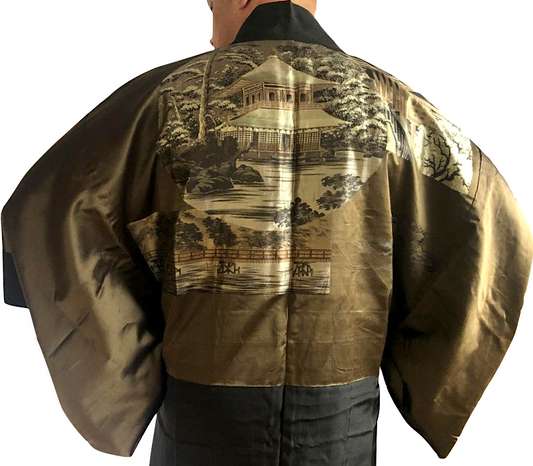
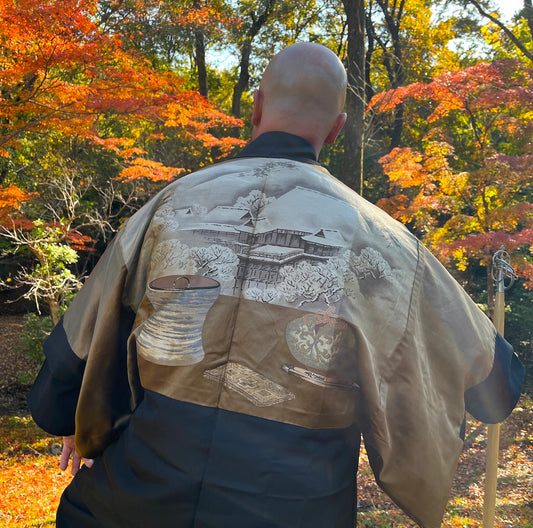
A Kimono is a traditional Japanese robe that can be formal or casual. A Yukata is a lighter casual robe generally associated with summer, festivals and ryokan. A Haori is a short jacket traditionally worn over a Kimono.
23. What is the difference between Hanten and Happi?
A Hanten is a traditional Japanese jacket, often padded for warmth. A Happi is generally lighter and commonly associated with festivals, traditional events and group uniforms.
24. What is Samue?
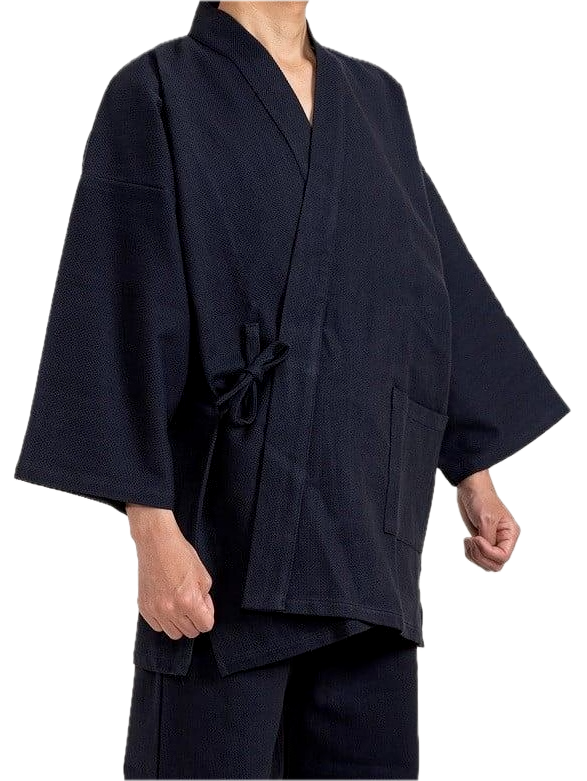
Samue is a traditional Japanese two-piece outfit consisting of a jacket and trousers. Originally associated with temple work, Samue are now also popular for meditation, casual wear and comfortable everyday use.
25. What is Jinbei?
Jinbei is a lightweight Japanese summer outfit usually made from breathable fabric. It typically consists of a short-sleeved jacket and shorts or lightweight trousers and is ideal for warm weather.
26. What is an Obi belt?
An Obi is a traditional Japanese sash or belt worn with garments such as Kimono and Yukata. Obi vary in width, material, formality and method of tying depending on the garment and occasion.
27. Do you sell Japanese clothing made in Japan?
Yes. BujindoShop offers many products made in Japan. The exact country of origin is specified on individual product pages, allowing customers to identify which garments are genuinely Japanese-made.
28. Do you sell antique and vintage Japanese clothing?
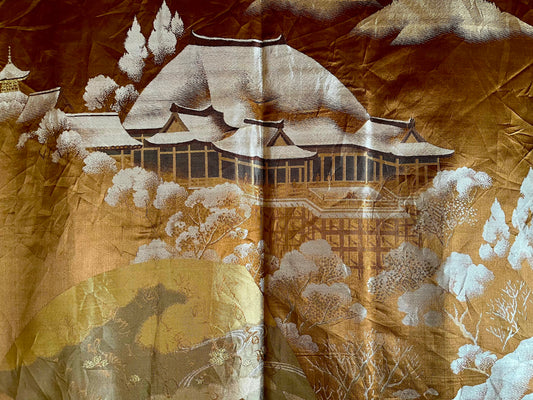
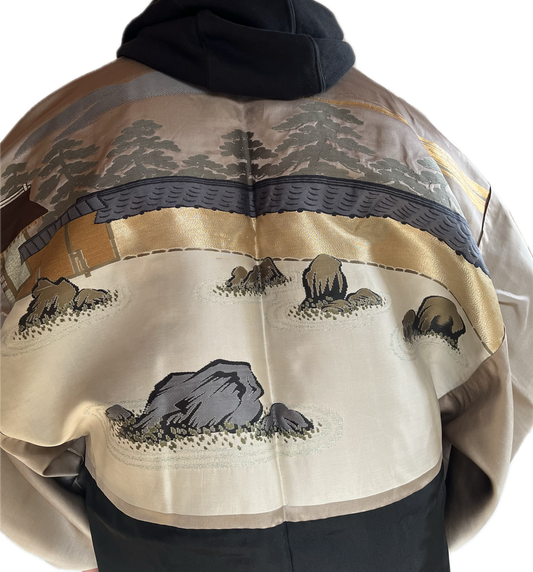
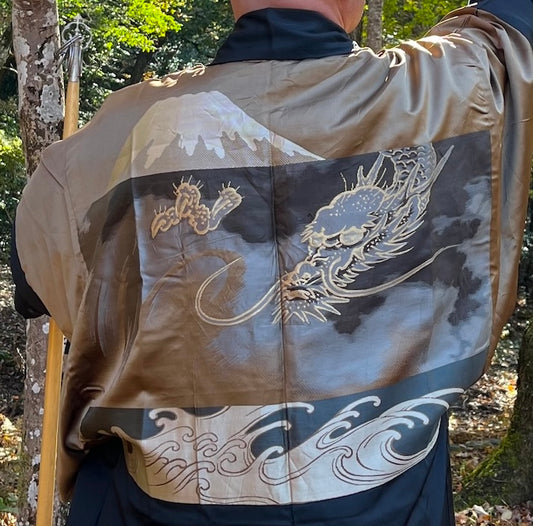
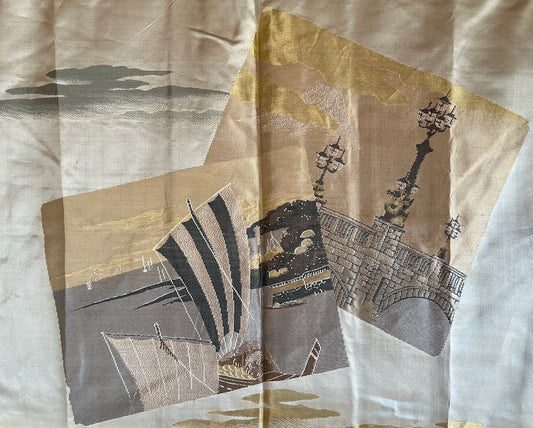
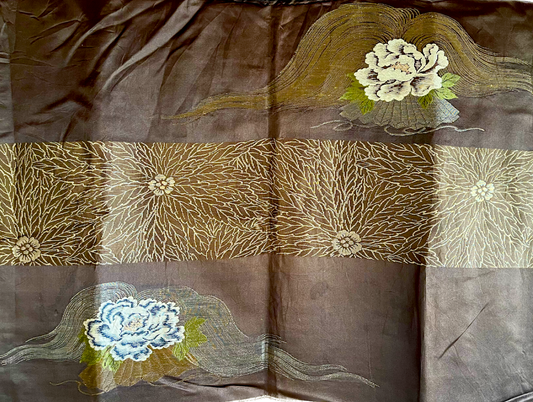
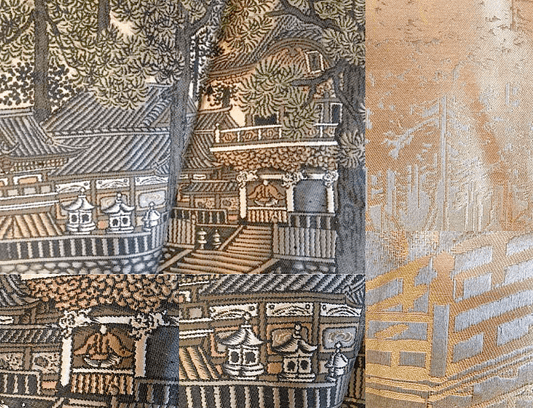
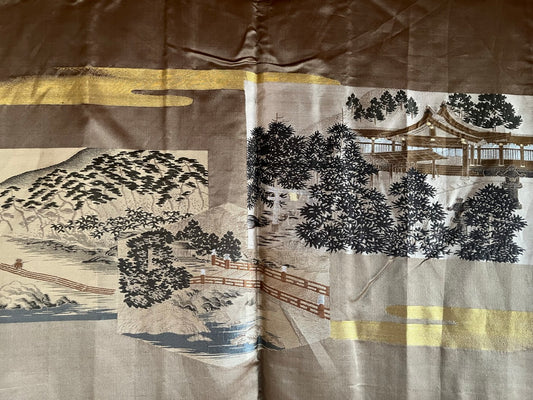
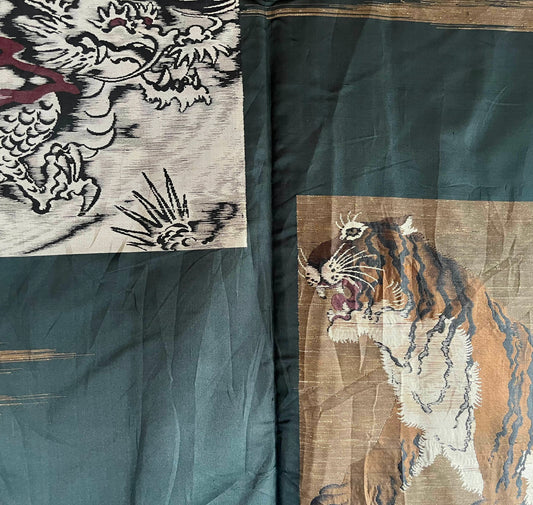
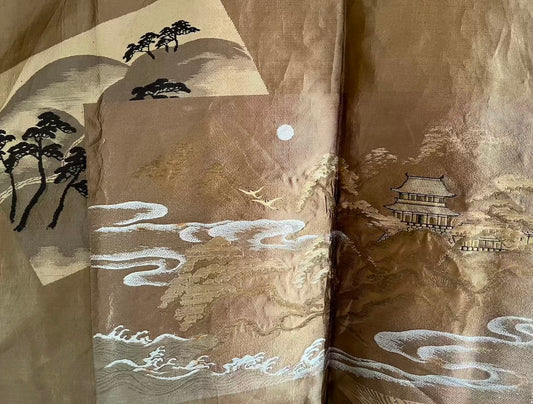
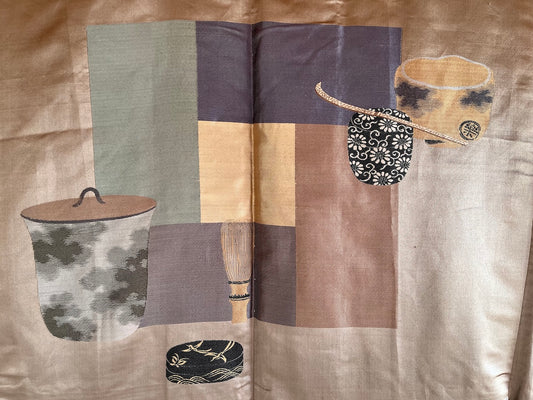
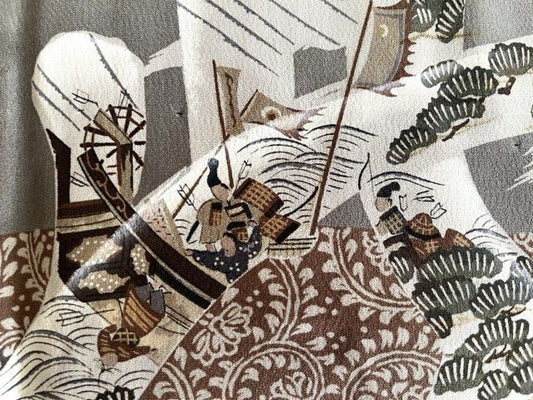
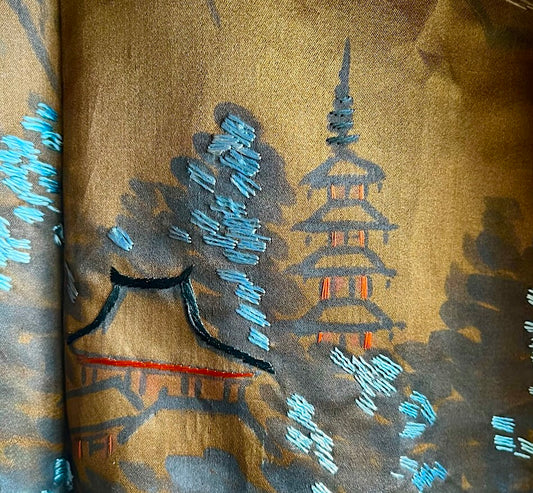
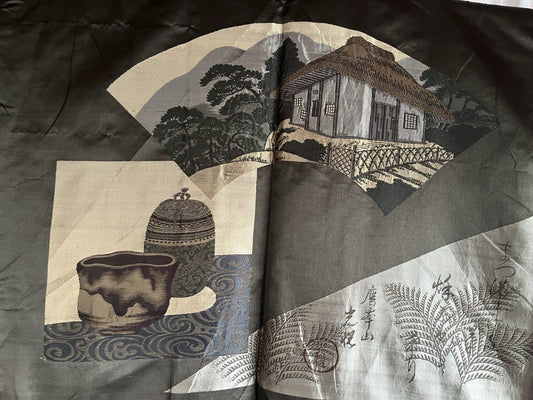
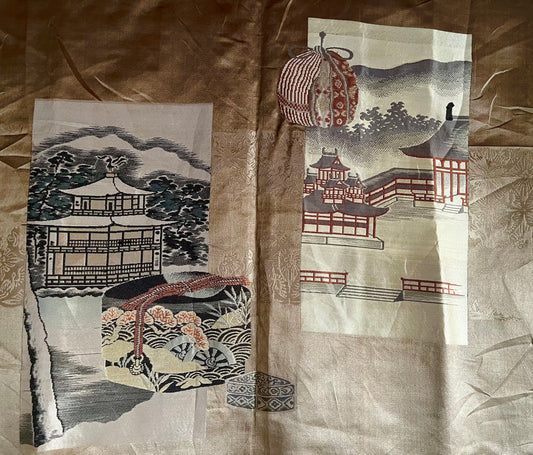
Yes. Selected antique and vintage Kimono and Haori may be available. Because vintage garments are often unique, customers should review measurements, condition notes, age and photographs carefully before purchasing.
29. How do I choose the correct Japanese clothing size?
Japanese sizing may differ from US and European sizing. Always compare your body measurements with the garment measurements listed on the product page, including chest, waist, length and height recommendations when available.
30. Where can I buy authentic traditional Japanese clothing online?
BujindoShop offers traditional Japanese clothing for martial arts, cultural wear, meditation, festivals and everyday Japanese lifestyle. Product pages provide information about materials, sizing, origin and condition.
Shipping, Authenticity, Sizing & Buying FAQ
31. Where is BujindoShop based?
BujindoShop is based in Kyoto, Japan and specializes in Japanese martial arts equipment, Ninjutsu-related products, traditional Japanese clothing and selected items associated with spiritual and cultural practice.
32. Does BujindoShop ship internationally?
Yes. BujindoShop ships many products internationally. Shipping availability depends on destination, product type and current carrier restrictions. Available shipping methods and costs are shown during checkout whenever possible.
33. Are BujindoShop products authentic?
Product pages clearly specify the origin, materials and construction details whenever available. Items described as Made in Japan are identified as such on the product page.
34. What does “Made in Japan” mean on BujindoShop products?
When a BujindoShop product is marked “Made in Japan,” the product page indicates that the item is manufactured in Japan. Customers should always check the individual listing for specific origin and production details.
35. Do you sell products directly from Japan?
BujindoShop is based in Japan and offers products sourced from Japanese manufacturers, suppliers and traditional product categories. Product origin is specified wherever possible.
36. How can I compare Japanese and Western sizes?
Product pages may include size conversion tables for Japanese, EU and US sizing. Because conversions are approximate, the most reliable method is to compare your actual measurements with the dimensions listed for the product.
37. Do you offer product advice before ordering?
Customers can contact BujindoShop before purchase when they need help choosing a size, garment type or traditional Japanese product. Providing measurements and intended use can help with product selection.
38. Can I buy products for both martial arts and Japanese lifestyle use?
Yes. BujindoShop offers products for Ninjutsu and martial arts practice as well as traditional Japanese clothing, meditation, home wear, festivals and cultural use.
39. How can I find the right product for my practice?
Start by identifying your main use: Ninjutsu training, outdoor martial arts practice, meditation, Buddhist practice, Japanese clothing or cultural wear. Then review the product description, origin, size and recommended use before ordering.
40. Why choose BujindoShop for traditional Japanese products?
BujindoShop combines a specialized selection of Japanese martial arts equipment, Ninjutsu-related products, traditional clothing and spiritual practice items with detailed product information, international shipping and a focus on Japanese craftsmanship and culture.
Explore BujindoShop Buyer Guide
Continue exploring our Buyer Guide to discover traditional Japanese products for
Ninjutsu, martial arts, Mikkyo, meditation and Japanese lifestyle.
Each collection is designed to help you compare materials, sizes, origin and intended use before purchasing.