
Why Antique Japanese Haori Are Becoming Collectors’ Pieces

Why Antique Japanese Montsuki Haori Are Becoming High-Value Collectors’ Pieces Worldwide
In recent years, antique Japanese haori — especially formal black silk montsuki — have moved from ceremonial garments to highly sought-after collectors’ pieces. These refined outer kimono jackets now attract textile collectors, lovers of Japanese culture, and investors in rare cultural garments.
At Bujindo in Kyoto, serious buyers are no longer looking for simple vintage kimono. They are searching for authentic antique montsuki haori with narrative silk linings, kamon family crests, and strong cultural symbolism.

1. What Is a Montsuki Haori?
A montsuki haori (紋付羽織) is a formal black silk haori distinguished by the presence of one to five family crests (kamon, 家紋). Traditionally worn over a kimono, it represents dignity, lineage, and ceremonial authority within Japanese culture.
The term montsuki literally means “with crests.” These crests are carefully positioned on the back and sleeves, depending on the level of formality:
- One crest (itsutsu-mon) – semi-formal
- Three crests (mitsu-mon) – formal
- Five crests (itsutsu-mon) – highest level of formality
Historically, the montsuki haori formed part of the most refined male ceremonial attire, often paired with hakama trousers to create a complete formal ensemble known as montsuki haori hakama.

Traditional Occasions for Wearing a Montsuki Haori
- Wedding ceremonies
- Formal receptions
- Coming-of-age events
- Official visits
- Funeral ceremonies
Because these garments were reserved for significant life events, they were worn infrequently. As a result, many antique montsuki haori remain in remarkable condition today — often preserved as family heirlooms.
Beyond its ceremonial function, the montsuki haori embodies:
- Respect for ancestry
- Samurai-era aesthetic discipline
- The visual language of status and identity
- The refined minimalism of formal Japanese attire
For collectors and enthusiasts of traditional Japanese clothing, an antique montsuki haori is not simply a garment — it is a cultural artifact that reflects Japan’s deep connection to heritage, symbolism, and craftsmanship.

2. The Hidden Art Inside: Narrative Silk Linings
What distinguishes a high-value antique haori is often hidden inside the lining.
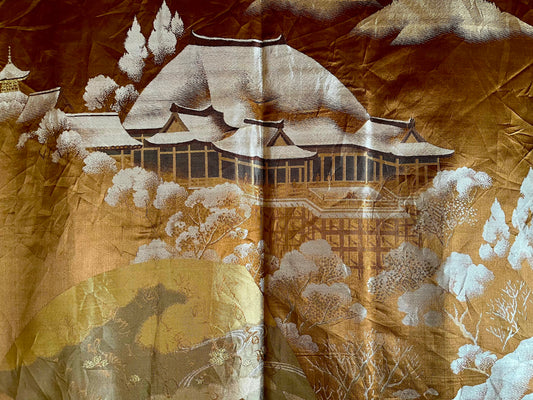
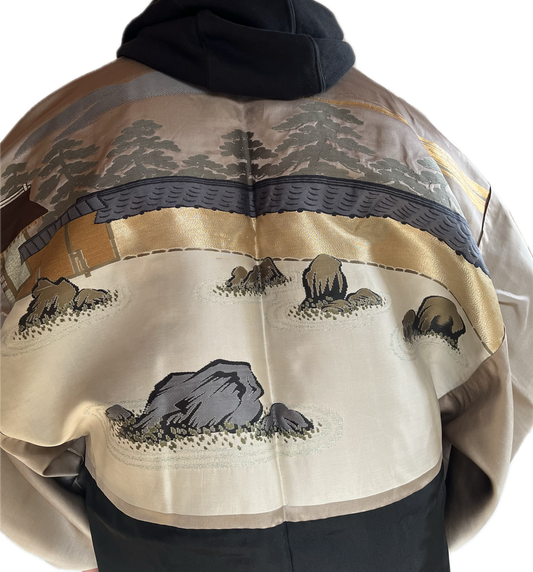
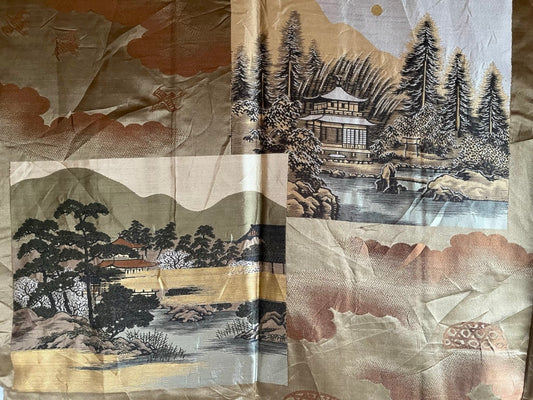
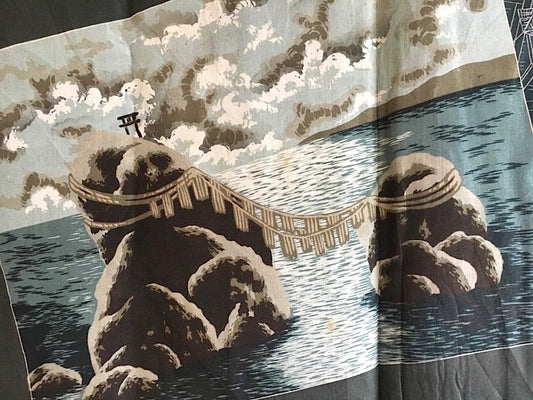
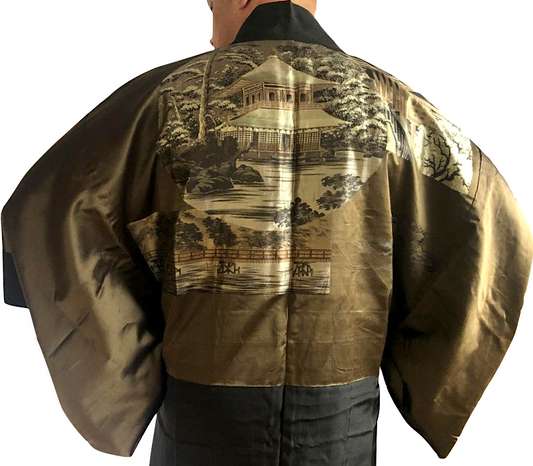
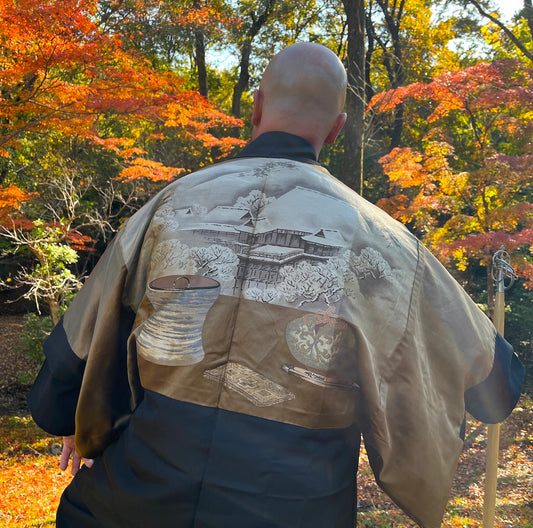
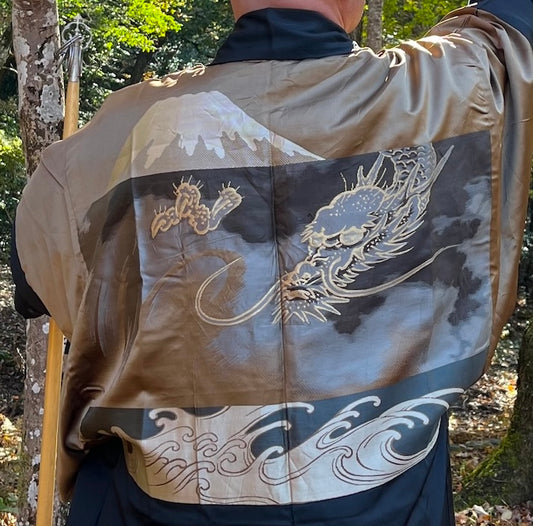
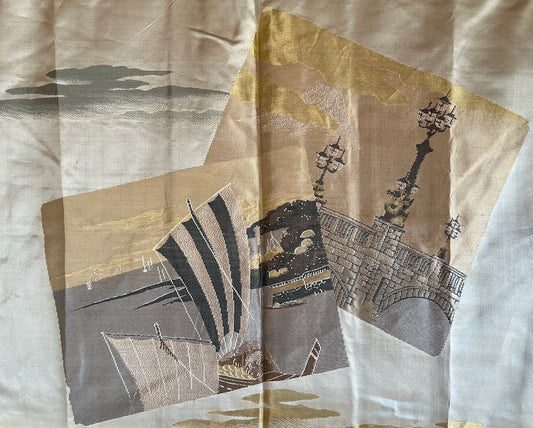
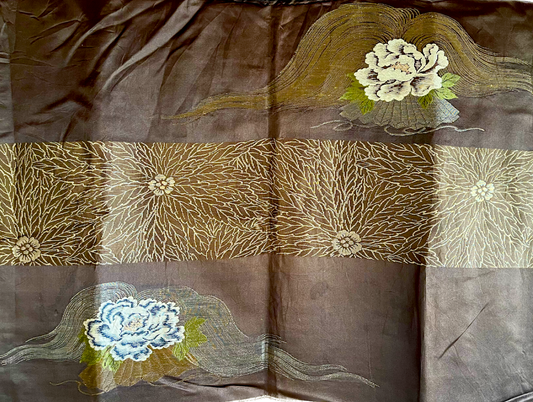
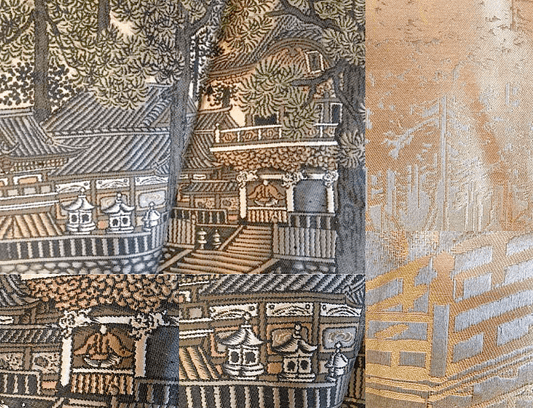
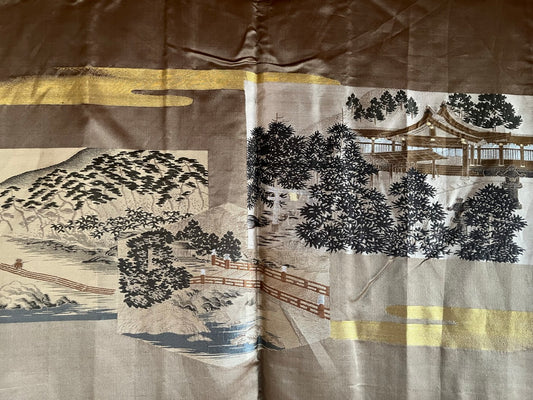
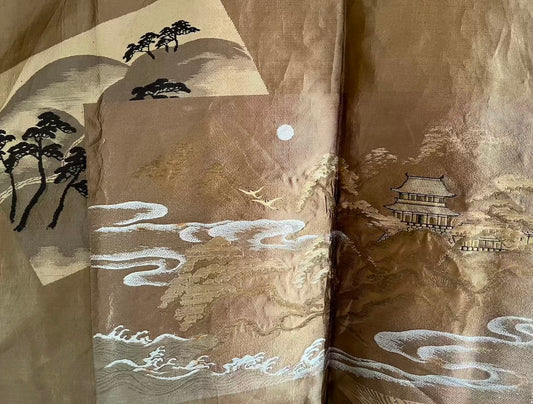
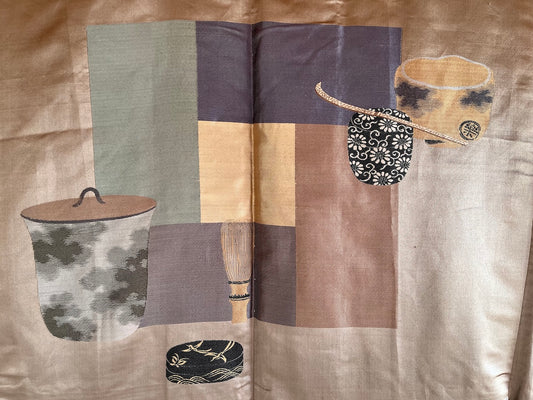
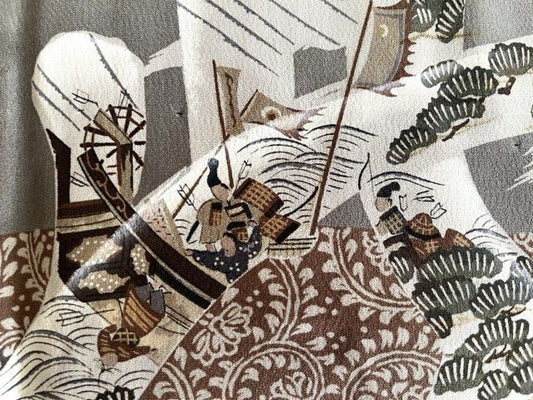
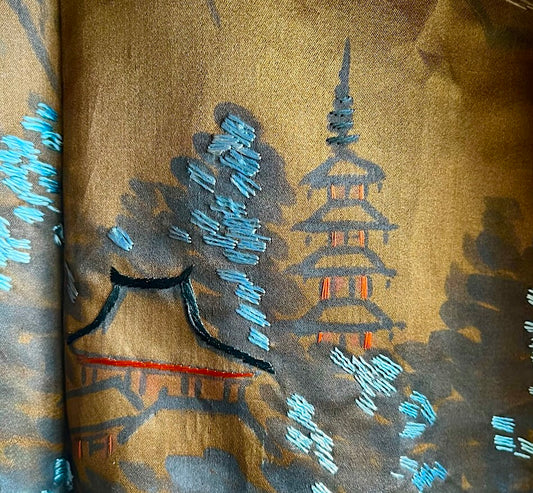
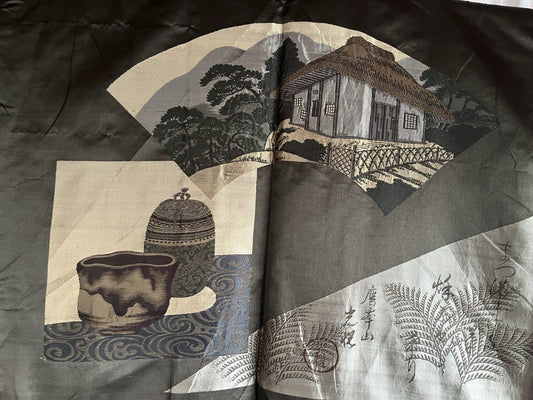
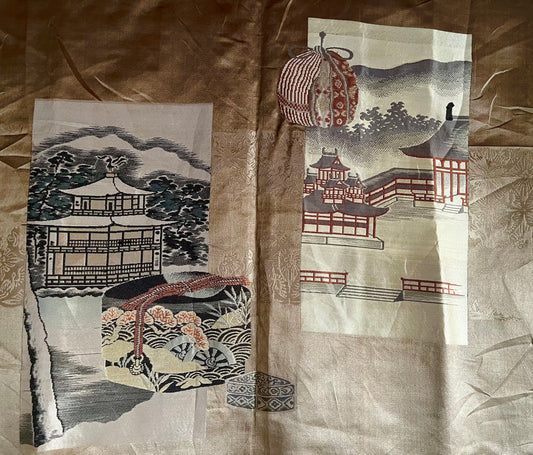
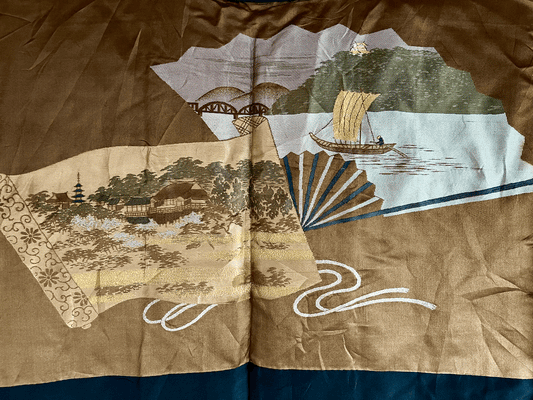
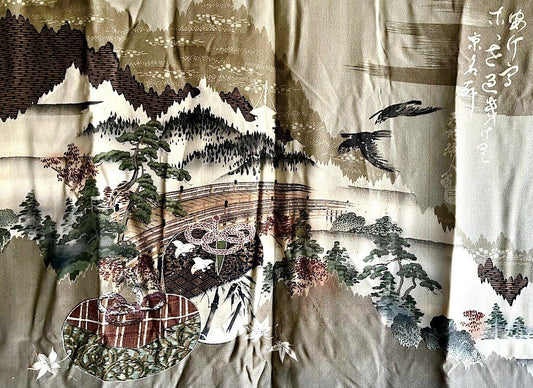
While the exterior may appear restrained — especially in formal black montsuki haori — the interior silk lining (haura, 羽裏) reveals a private world of artistic expression. This concealed artwork was never intended for public display. It was created for the wearer alone.
This contrast between outer sobriety and inner brilliance reflects a fundamental principle of Japanese aesthetics: refinement without ostentation.
Common Narrative Motifs Found in Antique Haori Linings
- Hand-painted Kyoto temple landscapes
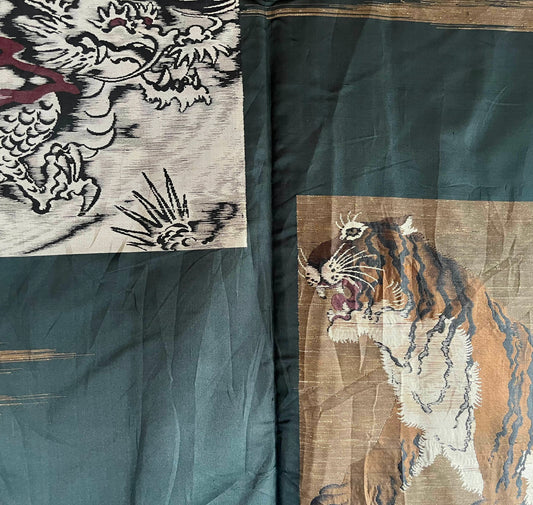
- Mount Fuji and dragon motifs
- Samurai kabuto helmets
- Tiger and crane symbolism
- Zen gardens such as Ryoanji
- Kinkakuji and Ginkakuji scenes
This concealed artistry reflects Japanese aesthetics: subtlety over ostentation.

3. Why Antique Montsuki Haori Are Increasing in Value
In recent years, antique montsuki haori (紋付羽織) have transitioned from traditional ceremonial garments to highly sought-after collector’s pieces. Their value is rising not by trend, but by structural rarity and cultural significance.
Several converging factors explain this steady appreciation.
Traditional Craftsmanship Disappearing
The production of formal black silk montsuki haori required:
- Deep, perfectly balanced formal black silk (kuro montsuki)
- Precision placement of one to five family crests (kamon)
- Hand-rendered interior silk artwork
- Skilled tailoring using traditional kimono construction
Today, very few artisans still master these techniques at the same level of refinement. The cost of producing equivalent quality silk garments in modern Japan would be significantly higher than most contemporary markets can sustain.
What exists today is finite.
What remains in excellent condition becomes increasingly rare.
The natural silk patina developed over decades — impossible to artificially replicate — adds further authenticity and character.
True One-of-a-Kind Pieces
Unlike modern mass production, antique haori were not manufactured in large standardized quantities.
Each piece reflects:
- A specific family crest
- A particular historical period (Meiji, Taisho, early Showa)
- A unique interior narrative lining
- Individual tailoring proportions
Once sold, an antique haori cannot be restocked.
Collectors understand this fundamental principle of scarcity. As available inventory decreases globally, demand concentrates on the best-preserved and most artistically significant examples.
Global Rise of Japanese Vintage Menswear
There is a growing international appreciation for:
- Authentic Japanese craftsmanship
- Slow luxury and heritage garments
- Symbolic clothing with cultural depth
- Investment-grade textile art
Vintage Japanese menswear — especially formal pieces such as montsuki haori — aligns perfectly with these values.
Unlike fast fashion, these garments represent:
- Craft heritage
- Historical continuity
- Discreet status
- Cultural literacy
As global collectors shift toward meaningful acquisitions rather than disposable consumption, antique montsuki haori occupy a unique position at the intersection of art, history, and wearable heritage.

4. The Power of Kamon
Every montsuki haori features kamon (家紋) — stylized family crests passed down through generations. These emblems are far more than decorative motifs. They function as visual signatures of lineage, identity, and social standing within traditional Japanese society.
Historically, kamon were used by samurai clans, noble families, and later by merchant houses to signify origin and affiliation. On a formal montsuki haori, the crest transforms the garment into a ceremonial statement.
Placement and Formality
The number of crests determines the level of formality:
- One crest (hitotsu-mon) – semi-formal
- Three crests (mitsu-mon) – formal
- Five crests (itsutsu-mon) – highest ceremonial rank
The five-crest configuration, traditionally placed on the back, chest, and sleeves, represents the most formal expression of family identity.
This structured placement is not arbitrary. It follows centuries-old conventions of proportion and balance, reinforcing the disciplined elegance of Japanese formalwear.

Symbolism in Common Kamon
Each crest carries layered meaning, often rooted in nature or martial symbolism:
- Umebachi (Plum blossom) – resilience and renewal
- Kikyo (Bellflower) – loyalty and honor
- Mokko (Quince shape) – fertility and protection
- Katabami (Oxalis) – perseverance and continuity
- Takanohane (Hawk feathers) – strength and warrior spirit
These symbols reflect values central to Japanese cultural philosophy: endurance, refinement, discipline, and ancestral respect.
Kamon as Cultural Identity
Unlike Western heraldry, kamon are typically monochrome and minimalist. Their power lies in clarity and restraint. A single white crest against deep black silk communicates more than elaborate ornamentation ever could.
For collectors, the presence of a well-preserved kamon adds:
- Historical authenticity
- Symbolic depth
- Cultural legitimacy
- Increased desirability
Certain crests associated with prominent clans or refined design structures may further enhance collectibility.
More Than Decoration
On an antique montsuki haori, the kamon is not merely stitched or dyed — it is embedded into the identity of the garment.
It signifies:
- Lineage
- Ceremony
- Authority
- Continuity across generations
In today’s world of anonymity and mass production, owning a garment marked with a traditional kamon reconnects the wearer to a system of meaning that transcends fashion.
The power of kamon lies in its simplicity — and in the centuries of history it silently carries.

5. Kyoto as Cultural Authority: Why Location Matters
In the world of antique Japanese haori collecting, provenance matters. Kyoto is not merely a city — it is the historical capital of refinement, imperial aesthetics, Zen philosophy, and traditional textile excellence.
Many high-value antique montsuki haori feature interior linings inspired by:
- Kinkakuji (The Golden Pavilion)
- Ginkakuji (The Silver Pavilion)
- Kiyomizudera Temple
- Ryoanji Zen Garden
- Arashiyama bamboo forest
When Kyoto landmarks appear inside a haori, the garment carries cultural authority. Collectors recognize this immediately. It signals historical depth, aesthetic literacy, and connection to classical Japan.

6. Samurai Imagery and Symbolic Power
Beyond temple landscapes, many antique haori linings depict powerful samurai imagery. These motifs elevate the garment beyond formal attire into symbolic armor of identity.
- Samurai kabuto (helmets)
- Dragons (ryū) symbolizing spiritual force
- Tigers representing courage and dominance
- Cranes symbolizing longevity and auspicious fortune
The kabuto in particular expresses discipline, honor, and lineage. For collectors of heritage menswear and Japanese history, these motifs significantly increase desirability.

7. Antique Haori and the Philosophy of Subtle Luxury
Antique montsuki haori embody a concept central to Japanese aesthetics: power expressed through restraint.
The exterior remains formal, monochrome, disciplined. The interior reveals artistic complexity only when opened. This balance reflects principles aligned with:
- Wabi-sabi (beauty in subtle imperfection)
- Shibui (refined understated elegance)
- Zen-influenced minimalism
In today’s global luxury market, where excess is common, this quiet depth makes antique haori uniquely compelling.

8. Limited Supply: Why True Antique Montsuki Are Finite
Unlike modern fashion, antique montsuki haori are not being reproduced under traditional standards.
Contributing factors include:
- Decline in formal kimono ceremony usage in Japan
- Retirement of traditional silk artisans
- Shift toward synthetic or simplified production
- Reduced domestic demand for ceremonial menswear
Every authentic antique montsuki entering the global collector market reduces total available supply permanently.

9. Market Trends: Rising Global Interest in Japanese Heritage
International awareness of Japanese craftsmanship continues expanding. Heritage menswear, slow fashion, and cultural authenticity are driving serious collector behavior.
Antique Japanese haori now appeal to:
- Textile historians
- Heritage menswear collectors
- Art investors
- Japanese culture enthusiasts
- Slow luxury advocates
Compared to European antique tailoring, formal Japanese montsuki haori remain undervalued — but this gap is narrowing.

10. Investment Perspective (2026–2035 Outlook)
While antique haori were never originally created as investment pieces, current market indicators suggest increasing long-term appreciation.
- Finite supply
- Growing global collector education
- Rising demand for authentic cultural garments
- Limited access outside Japan
The most desirable examples combine:
- Deep formal black silk
- Well-preserved condition
- Strong kamon presence
- Narrative Kyoto or samurai lining artwork
These pieces typically leave the market quickly and rarely return.

11. How to Identify Collector-Grade Antique Haori
Serious buyers evaluate multiple elements simultaneously.
- Silk depth and matte finish
- Natural aging patina
- Hand-finished seams
- Correct crest placement
- Era-consistent construction details
- Complex lining artwork (not simple pattern repeats)
Authenticity is not defined by age alone. It is defined by coherence of material, symbolism, and construction.

12. Preservation and Long-Term Care
Collector value depends heavily on preservation. Antique silk requires thoughtful care.
- Store in breathable cotton wrapping
- Avoid plastic storage
- Protect from humidity and sunlight
- Air periodically instead of washing
- Consult textile specialists for restoration
Proper preservation transforms a garment into a multi-generational heirloom.

13. Recommended Reading: Japanese Haori Guides
To deepen your knowledge and choose the right piece with confidence, explore our expert guides below. Each article is designed to help collectors and enthusiasts understand authenticity, value, sizing, and traditional vs modern wear—so you can buy with clarity and build a coherent haori wardrobe or collection.
What Is a Japanese Haori for Men? (Complete Guide)
New to haori? Start here. This complete overview explains the origin of the haori, how it differs from other Japanese garments, how it is constructed, and why it remains one of the most refined forms of Japanese menswear today. Ideal if you want the “big picture” before collecting.
Types of Japanese Haori for Men (Formal, Traditional, Casual & Summer)
Haori are not a single category. This guide breaks down the major types—formal montsuki, traditional styles, everyday casual pieces, and lighter summer haori—so you understand when each type is worn and what makes it collectible (or best for daily wear).
Antique Japanese Haori: How to Identify Quality, Authenticity & Value
A collector-focused checklist for spotting real quality. Learn what to look for in silk texture, lining complexity, era-consistent construction, crest placement, and condition—plus how these factors influence long-term value. Perfect if you want to avoid reproductions and buy with confidence.
How to Wear a Japanese Haori (Traditional & Modern Styling)
Want to wear your haori instead of keeping it only as a collectible? This guide shows traditional etiquette and modern styling ideas that respect the haori’s silhouette. Learn layering principles, pairing strategies, and the small details that make the look feel refined—not costume-like.
How to Choose the Right Size for Your Japanese Haori
Japanese sizing does not match Western sizing. This practical guide explains what measurements actually matter for haori (shoulders, sleeve drop, body length, drape) and how to choose a size depending on whether you wear it over kimono, over modern clothing, or as an oversized statement piece.
Why Antique Japanese Haori Are Becoming Collectors’ Pieces
Revisit the core collector logic—why supply is finite, why hidden lining art matters, how kamon influence formality, and why serious buyers increasingly source directly from Japan. If you’re building a collection, this is your strategic foundation.

14. Practical Collector Checklist (Before You Buy)
Use this quick checklist to evaluate any antique haori. Even experienced collectors rely on repeatable criteria—because real value is found in quiet, consistent details.
- Category: Is it formal montsuki (with kamon) or casual haori?
- Silk feel: Does the fabric have a deep matte elegance rather than synthetic shine?
- Kamon placement: Are crests crisp, balanced, and in correct positions?
- Lining story: Is there narrative artwork (temples, Fuji, kabuto, dragons) or a simple pattern?
- Condition: Check for stains, odor, silk weakening, seam stress, and discoloration.
- Drape: Hang the haori—does it fall cleanly and feel “alive” rather than stiff?
- Wearability: Are sleeve length and body length compatible with your intended use?
- Rarity: Is the piece truly one-of-a-kind, and is stock limited to one?
The best collector pieces tend to combine formal status + strong lining narrative + excellent silk + clean condition. If you find that combination, hesitate too long, and the piece is usually gone.

15. Why Bujindo Pieces Are Curated Differently (Kyoto-Based Selection)
Collectors often ask what makes one shop’s selection more “serious” than another. The answer is curation. A true collector-grade antique haori is not defined by age alone—it is defined by coherence: the right category, the right materials, the right symbolic language, and the right condition.
At Bujindo in Kyoto, we prioritize antique haori that express the qualities collectors value most:
- Formal montsuki structure (with kamon) when the goal is collector-grade heritage
- Strong narrative linings featuring Kyoto temples, Zen landscapes, and samurai symbolism
- Silk quality with deep black tone and refined drape
- Condition transparency so buyers can collect with confidence
- One-of-a-kind inventory—the piece you buy is not a repeatable item
This approach serves both collectors who preserve garments and enthusiasts who wear them carefully. Either way, the goal is the same: a haori that feels like it carries history when you hold it.

16. Explore the Collection
Ready to choose a collector-grade piece? Explore our curated selection of Men’s Antique Formal Haori. Many pieces are truly one-of-a-kind, and once sold, cannot be restocked.
Collector tip: If a haori has the combination of deep formal black silk, crisp kamon, and a lining featuring Kyoto temples, Mount Fuji, dragons, or kabuto symbolism—consider it a high-priority acquisition.
-
Men's Japanese Haori Black Silk Umebachi Montsuki Zen Garden of Ryoanji Temple, Kyoto
Regular price $368.40Regular price$491.61Sale price $368.40PROMO -
Men’s Antique Haori – Black Silk Kikyo Montsuki Kyomizudera
Regular price $368.40Regular price$430.00Sale price $368.40PROMO -
Antique Men’s Haori Jacket - Zen Garden of Ryoanji Temple, Kyoto (Deluxe Edition)
Regular price $368.00Regular price$491.00Sale price $368.00PROMO -
Men’s Antique Japanese Haori – Black Silk Tsuru Montsuki with Golden Samurai Helmet (Kabuto)
Regular price $359.00Regular price$383.42Sale price $359.00PROMO -
Men’s Haori Antique - Black Silk Dakimyoga Montsuki Temple Ginkakuji & Kinkakuji Kyoto
Regular price $331.43Regular price$430.00Sale price $331.43PROMO -
Men’s Japanese Haori Black Silk Katabami Montsuki Meoto Iwa Ise
Regular price $329.00Regular price$369.00Sale price $329.00PROMO -
Antique Men’s Haori - Black Silk Montsuki Ginkakuji & Arashiyama Pattern Made in Japan
Regular price $307.00Regular price$359.00Sale price $307.00PROMO -
Men’s Haori Black Silk Mokkou Montsuki Kyomizu Dera Kyoto
Regular price $299.00Regular price$369.00Sale price $299.00PROMO -
Men’s Haori Black Silk Katabami Montsuki Fuji & Dragon RYU
Regular price $299.00Regular price$369.00Sale price $299.00PROMO -
Japanese Men's Formal Haori Black Silk Futatsu Hiki MonTsuki Japan Paris Art Style
Regular price $276.00Regular price$345.00Sale price $276.00PROMO -
Men’s Vintage Haori Black SilK Samurai Crest Botan Kuyo
Regular price $197.00Regular price$219.00Sale price $197.00PROMO -
Men’s Antique Haori – Black Silk Futatsu Hiki Montsuki – Sansui Gaden
Regular price $183.58Regular price$245.19Sale price $183.58PROMO -
Men’s Antique Black Silk Haori Sumitate Yotsume Montsuki Toshogu Yomeimon Nikko
Regular price $239.00Regular price$358.00Sale price $239.00PROMO -
Men's Haori – Black Silk Kenkatabami Montsuki – Shinto Shrine
Regular price $158.94Regular price$246.19Sale price $158.94Sold out -
Antique Japanese Haori Black Silk Montsuki with Mitsukashiwa Crests Hunting Scene
Regular price $158.90Regular price$245.19Sale price $158.90Sold out -
Men's Antique Japanese Haori Jacket Black Silk Mokkou Montsuki Dragon VS Tiger
Regular price $239.00Regular price$359.00Sale price $239.00PROMO -
Men's Haori Black Silk Mokkou Montsuki The SkyCastle "Takeda-Jo " Made in Japan
Regular price $232.00Regular price$249.00Sale price $232.00PROMO -
Men’s Antique Haori Black Silk Takanohane Montsuki SADO (Tea Ceremony)
Regular price $234.00Regular price$294.00Sale price $234.00PROMO -
Men's Antique Samurai Haori Black Silk Monstuki– Busho no Ikusa
Regular price $245.19Regular price$368.40Sale price $245.19PROMO -
Men's Haori antique - Agarifuji Montsuki Tiger VS Dragon
Regular price $245.19Regular price$356.08Sale price $245.19PROMO -
Antique Japanese Men’s Haori - Black Silk Katabami Montsuki with Horyuji Temple
Regular price $140.00Regular price$183.00Sale price $140.00PROMO -
Men’s Antique Traditional Japanese Haori Black Silk Montsuki OchaWashitsu
Regular price $245.19Regular price$405.36Sale price $245.19PROMO -
Men’s Antique Japanese Haori Tachibana Montsuki Kinkakuji & Jinja Kyoto
Regular price $232.87Regular price$356.08Sale price $232.87PROMO -
Men’s Japanese Haori – Black Silk Katabami Montsuki Kyomizudera Temple & Himeji Castle
Regular price $232.87Regular price$356.08Sale price $232.87PROMO -
Men’s Antique Haori – Black Silk Tachibana Montsuki – Aki no Nihon Fūkei
Regular price $154.00Regular price$206.00Sale price $154.00Sold out