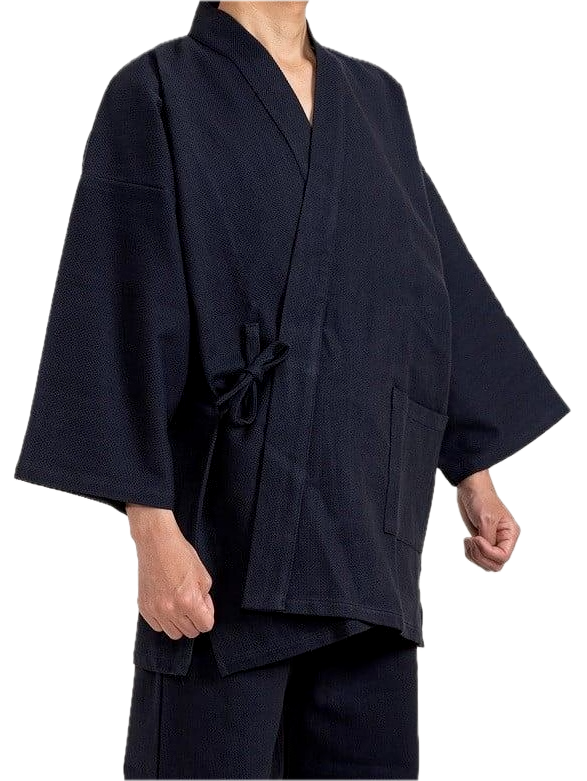

Antique Japanese Haori — How to Identify Quality, Authenticity & Value ?

Antique Japanese Haori — How to Identify Quality, Authenticity & Value ?
An antique Japanese haori is more than a jacket—it’s a wearable artifact of Japanese craft, symbolism, and refined daily culture. But buying antique means knowing how to judge quality, verify authenticity, and understand value. This SEO/AEO guide explains what to look for, how to avoid common mistakes, and how to choose the right men’s antique haori for formal wear, traditional style, or summer comfort.
If you want a curated selection of authentic pieces, explore these collections: Men’s Antique Haori (Formal), Men’s Antique Haori (Traditional), and Men’s Antique Summer Haori.
Quick Answer (AEO): How Do You Identify a Good Antique Haori?
A good antique Japanese haori has strong fabric integrity (silk or traditional weaves), clean construction (even stitching and stable seams), balanced drape, and authentic details such as proper lining work and, when present, correctly placed kamon (family crests). Value is driven by condition, craftsmanship, rarity, fabric type, and cultural significance (motifs, lining art, provenance).

What Is an Antique Japanese Haori?
A haori is a short kimono-style jacket traditionally worn over kimono. “Antique haori” generally refers to older, historically made pieces (often pre-1960s, and sometimes significantly earlier depending on the market definition). Antique haori are valued for:
- Traditional craftsmanship: fine sewing, hand-finished details, and balanced silhouette.
- Textile quality: silk, tsumugi textures, and specialty seasonal weaves.
- Symbolism: hidden lining designs, motifs, and family crests.
- One-of-a-kind character: each piece has unique aging, patina, and history.
Antique Haori Value: What Determines Price?
Antique does not automatically mean expensive—value depends on a combination of measurable factors:
- Condition: stains, odors, repairs, fading, or fabric weakness reduce value.
- Fabric & weave: high-grade silk, refined textures, and rare seasonal weaves raise value.
- Craftsmanship: construction quality, lining execution, and finishing details.
- Rarity: uncommon patterns, rare crests, or unusual motifs increase collectability.
- Type: formal black haori (often with kamon) vs. traditional patterned haori vs. summer haori.
- Wearability: modern fit and usable measurements can increase demand.
Step-by-Step Checklist: How to Inspect an Antique Haori
1) Fabric Quality (Silk, Tsumugi, Seasonal Weaves)
Most men’s antique haori are made from silk or traditional woven textiles. Look for:
- Healthy “hand feel”: silk should not feel brittle, overly dry, or powdery.
- Even weave: consistent texture without thin patches or weak spots.
- Drape: the haori should hang cleanly—good textiles naturally form an elegant vertical line.
Tsumugi (textured weave) often signals understated quality and daily elegance, while lighter summer weaves focus on breathability. For summer options, browse: Men’s Antique Summer Haori.
2) Construction & Stitching
Antique haori should show disciplined construction. Check:
- Seams: straight lines, stable stitching, no pulling or separation.
- Collar structure: sits cleanly along the neck; not overly warped or collapsing.
- Sleeve shape: symmetrical and consistent on both sides.
- Hanging balance: when worn, it should not twist or pull to one side.
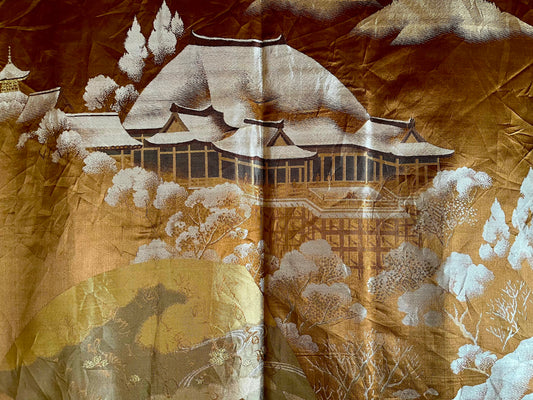
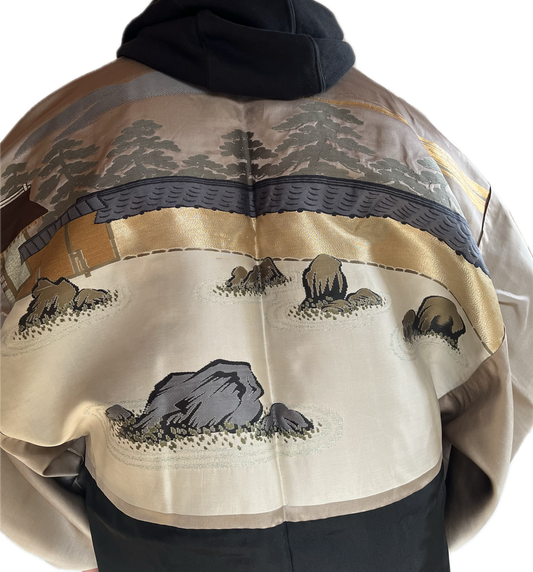
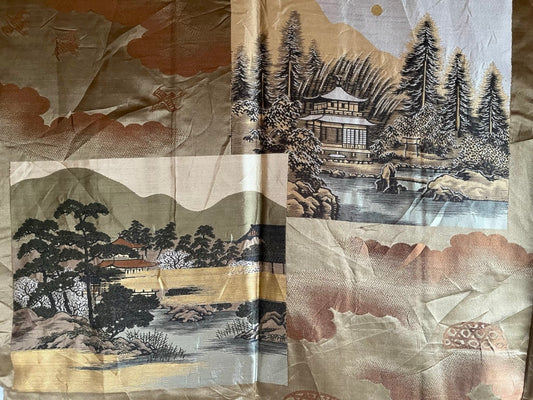
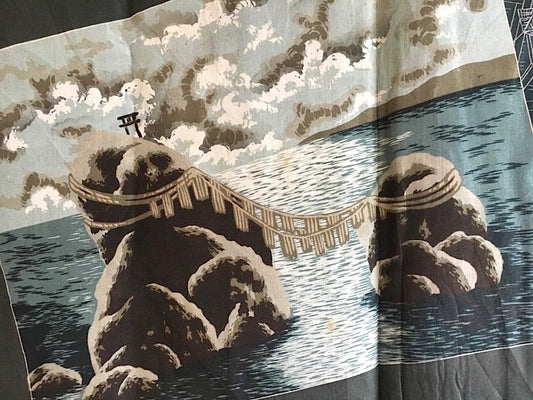
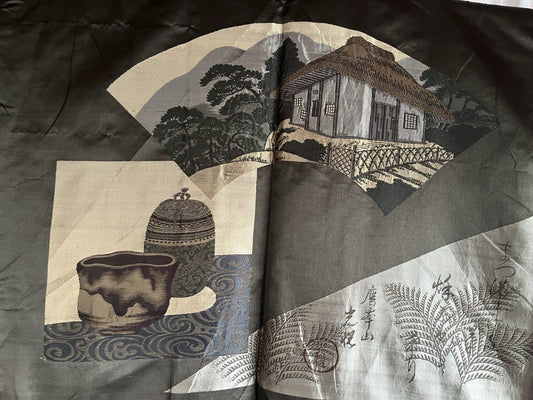
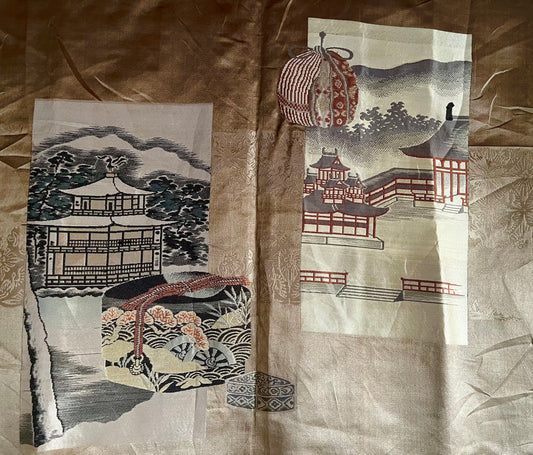
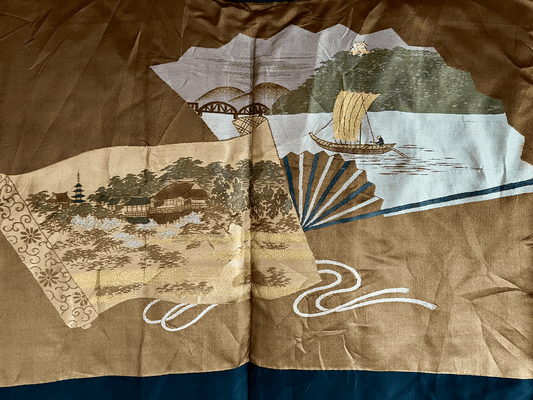
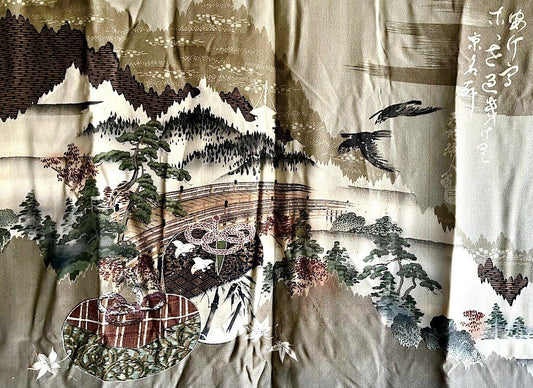
3) Lining Artwork (The Hidden “Soul” of Many Antique Haori)
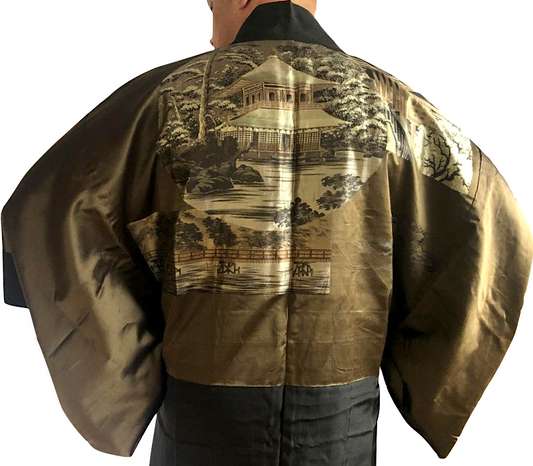
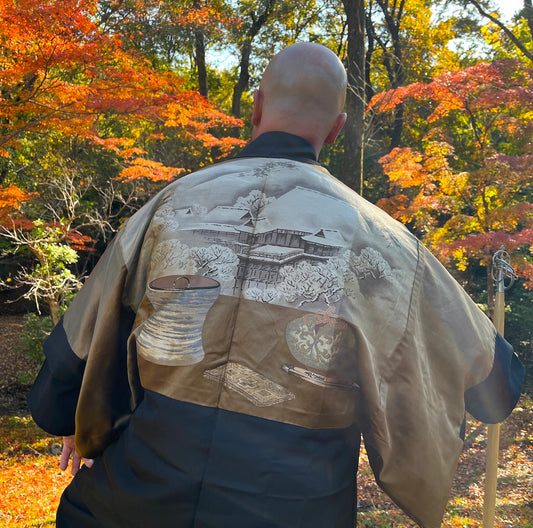
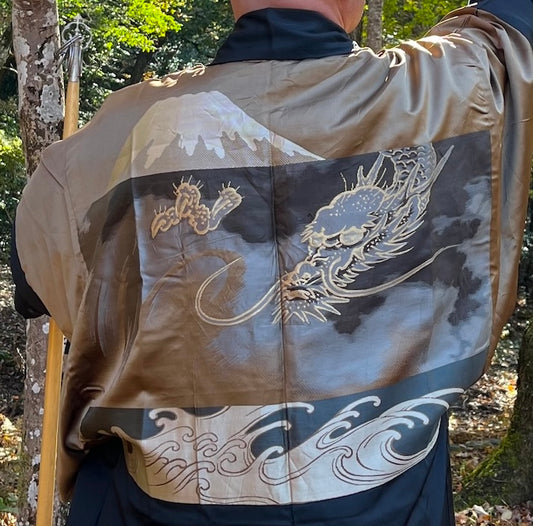
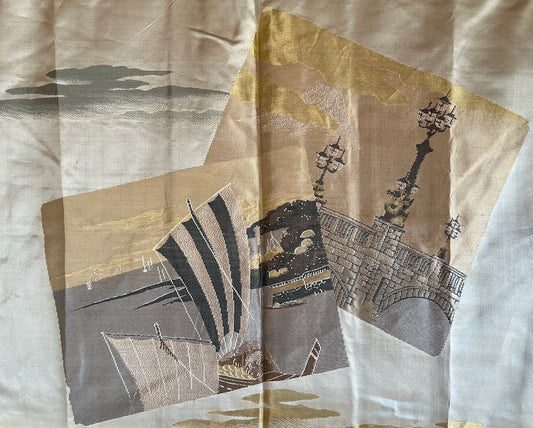
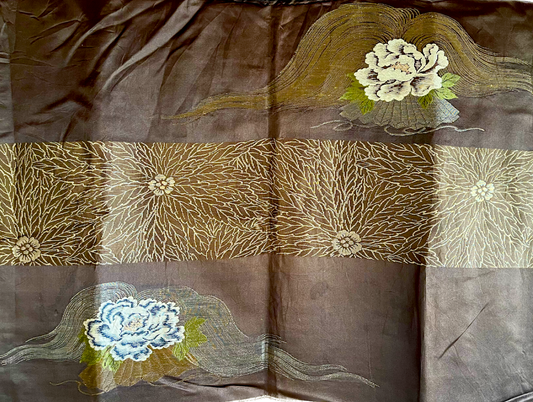
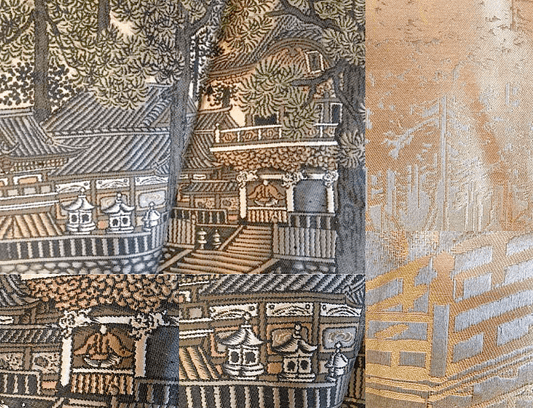
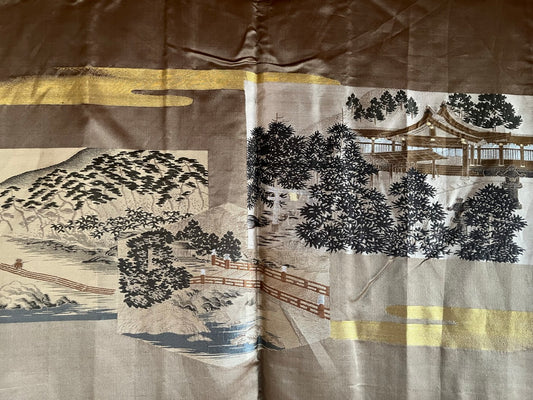
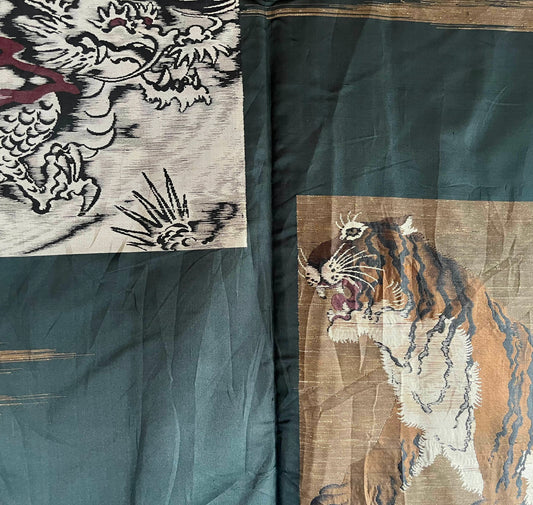
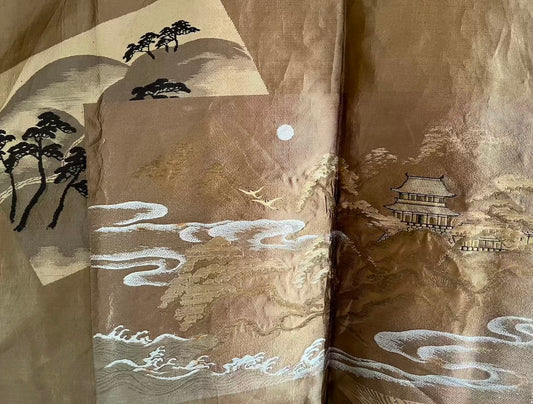
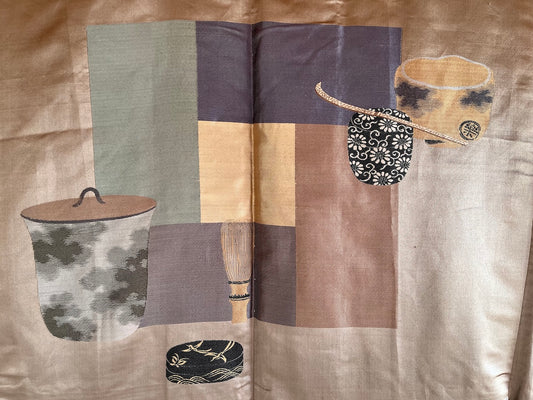
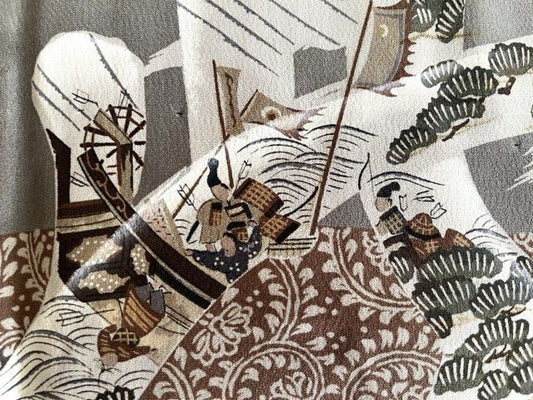
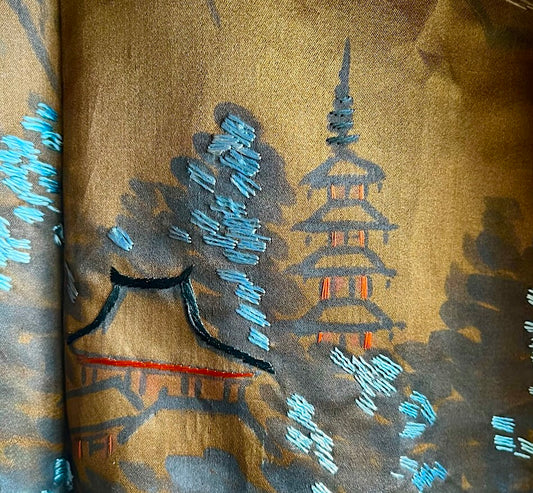
One of the strongest signals of authentic, culturally rich antique haori is the lining. Men’s haori often hide bold imagery inside: landscapes, seasonal scenes, mythology, warrior symbolism, or refined geometric design. Inspect:
- Clean attachment: lining is neatly joined without excessive repairs.
- Color stability: normal aging is expected, but severe bleeding or patchy fading lowers value.
- Motif quality: balanced composition and clarity often indicate better work.
4) Kamon (Family Crests): Meaning, Placement & Authenticity Signals
A kamon is a Japanese family crest. On men’s formal haori, kamon are often placed on the back and sometimes the chest/shoulders. Kamon presence often indicates a more formal intended use. Check:
- Placement: symmetrical and correctly aligned.
- Execution: clean edges, consistent dye, and well-finished integration into the cloth.
- Context: formal black silk haori with kamon are classic for ceremonies.
Explore curated formal pieces here: Men’s Antique Haori (Formal).
5) Haori Himo (Cords) & Details
The haori himo are decorative cords tied lightly at the chest. Missing cords don’t automatically mean low quality, but complete, well-matched cords can increase value and usability. Also check:
- Matching tone: cords that harmonize with the fabric feel more authentic.
- Attachment: secure and cleanly sewn.
- Wear: fraying is common on antiques; excessive damage lowers value.
6) Condition: Stains, Odors, Repairs & Fabric Weakness
Condition drives value more than almost anything else. Common issues to check:
- Stains: collar, sleeve ends, and inner lining areas.
- Odors: storage smells can be normal, but strong mold/mildew is a red flag.
- Repairs: tasteful repairs can be acceptable; heavy patching may reduce value.
- Shattering silk: very old silk can become brittle and tear easily—avoid if you want wearable pieces.

Antique Haori Types for Men: Formal vs Traditional vs Summer
To buy the right antique haori, choose the type that matches your lifestyle and occasion:
1) Antique Formal Haori (Black Silk, Often With Kamon)
Formal antique haori are typically black silk, sometimes with one or more kamon. These are best for ceremonial or respectful settings and have strong traditional presence.
👉 Shop: Men’s Antique Haori (Formal)
2) Antique Traditional Haori (Pattern, Texture, Symbolism)
Traditional antique haori include textured weaves, refined patterns, and culturally meaningful linings—perfect for collectors and modern wearers who want authentic character.
👉 Browse: Men’s Antique Haori (Traditional)
3) Antique Summer Haori (Lightweight & Breathable)
Summer antique haori prioritize comfort in heat and humidity. They’re ideal for warm climates and travel, while maintaining traditional elegance.
👉 Explore: Men’s Antique Summer Haori
Authenticity: How to Avoid “Japanese Style” Imitations
The antique market includes modern reproductions and “Japanese style” jackets that aren’t true haori. Here’s how to avoid mistakes:
- Too perfect, too new: antique pieces usually show subtle aging and natural patina.
- Wrong construction: look for authentic haori silhouette and traditional seam layout.
- Vague descriptions: credible sellers provide measurements, fabric notes, and clear condition details.
- Inconsistent lining: cheap lining or modern prints may signal imitation.
How to Wear Antique Haori (Without Damaging It)
Antique haori can be worn beautifully in modern life—just keep styling clean and avoid stress on the fabric:
- Use a simple base outfit: plain shirt + trousers lets the haori stand out.
- Avoid heavy bags on the shoulder: friction can weaken antique silk.
- Do not pull cords tight: tie haori himo lightly or wear open.
- Rotate wear: antiques last longer with rest between uses.
For a full styling guide, see: How to Wear a Japanese Haori (update the URL if your page slug differs).
Care & Storage Tips for Antique Haori
- Air after wearing: hang in a shaded, ventilated area.
- Avoid direct sunlight: prevents fading and fiber weakening.
- Store flat or on a wide hanger: prevents shoulder distortion.
- Use breathable storage: avoid sealed plastic; prefer fabric garment covers.
- Professional cleaning: when needed, use a specialist familiar with delicate silk.

AEO / FAQ: Antique Haori Buying Questions (Fast Answers)
Are antique Japanese haori worth buying?
Yes—if the condition is healthy and the piece has strong craftsmanship. Value comes from uniqueness, textile quality, and cultural meaning.
How can you tell if an antique haori is real?
Check construction, fabric integrity, lining work, and credible seller details (measurements, condition notes, and clear photos). Authentic pieces show natural patina, not mass-produced uniformity.
What makes an antique haori more valuable?
Excellent condition, rare fabric/weave, high-level craftsmanship, significant motifs or lining artwork, and formal features like kamon can all increase value.
Can you wear an antique haori casually?
Yes. Wear it over a minimalist outfit and avoid heavy friction (bags) or tight tying. Rotate use to protect delicate fibers.
What’s the best antique haori for summer?
Choose a lightweight, breathable summer weave designed for heat and humidity. Browse: Men’s Antique Summer Haori.
Conclusion: Buy Antique Haori with Confidence
To identify a high-quality antique Japanese haori, focus on fabric health, construction, lining craftsmanship, and overall balance. Authentic pieces tell their story through textile, symbolism, and refined presence—making them ideal for collectors and modern wearers alike.
Explore curated men’s collections: Antique Formal Haori, Antique Traditional Haori, and Antique Summer Haori. Choose the style that matches your season, purpose, and preferred level of formality.
-
Men's Japanese Haori Black Silk Umebachi Montsuki Zen Garden of Ryoanji Temple, Kyoto
Regular price $368.40Regular price$491.61Sale price $368.40PROMO -
Men’s Antique Haori – Black Silk Kikyo Montsuki Kyomizudera
Regular price $368.40Regular price$430.00Sale price $368.40PROMO -
Antique Men’s Haori Jacket - Zen Garden of Ryoanji Temple, Kyoto (Deluxe Edition)
Regular price $368.00Regular price$491.00Sale price $368.00PROMO -
Men’s Antique Japanese Haori – Black Silk Tsuru Montsuki with Golden Samurai Helmet (Kabuto)
Regular price $359.00Regular price$383.42Sale price $359.00PROMO -
Men’s Haori Antique - Black Silk Dakimyoga Montsuki Temple Ginkakuji & Kinkakuji Kyoto
Regular price $331.43Regular price$430.00Sale price $331.43PROMO -
Men’s Japanese Haori Black Silk Katabami Montsuki Meoto Iwa Ise
Regular price $329.00Regular price$369.00Sale price $329.00PROMO -
Antique Men’s Haori - Black Silk Montsuki Ginkakuji & Arashiyama Pattern Made in Japan
Regular price $307.00Regular price$359.00Sale price $307.00PROMO -
Men’s Haori Black Silk Mokkou Montsuki Kyomizu Dera Kyoto
Regular price $299.00Regular price$369.00Sale price $299.00PROMO -
Men’s Haori Black Silk Katabami Montsuki Fuji & Dragon RYU
Regular price $299.00Regular price$369.00Sale price $299.00PROMO -
Japanese Men's Formal Haori Black Silk Futatsu Hiki MonTsuki Japan Paris Art Style
Regular price $276.00Regular price$345.00Sale price $276.00PROMO -
Men’s Vintage Haori Black SilK Samurai Crest Botan Kuyo
Regular price $197.00Regular price$219.00Sale price $197.00PROMO -
Men’s Antique Haori – Black Silk Futatsu Hiki Montsuki – Sansui Gaden
Regular price $183.58Regular price$245.19Sale price $183.58PROMO -
Men’s Antique Black Silk Haori Sumitate Yotsume Montsuki Toshogu Yomeimon Nikko
Regular price $239.00Regular price$358.00Sale price $239.00PROMO -
Men's Haori – Black Silk Kenkatabami Montsuki – Shinto Shrine
Regular price $158.94Regular price$246.19Sale price $158.94Sold out -
Antique Japanese Haori Black Silk Montsuki with Mitsukashiwa Crests Hunting Scene
Regular price $158.90Regular price$245.19Sale price $158.90Sold out -
Men's Antique Japanese Haori Jacket Black Silk Mokkou Montsuki Dragon VS Tiger
Regular price $239.00Regular price$359.00Sale price $239.00PROMO -
Men's Haori Black Silk Mokkou Montsuki The SkyCastle "Takeda-Jo " Made in Japan
Regular price $232.00Regular price$249.00Sale price $232.00PROMO -
Men’s Antique Haori Black Silk Takanohane Montsuki SADO (Tea Ceremony)
Regular price $234.00Regular price$294.00Sale price $234.00PROMO -
Men's Antique Samurai Haori Black Silk Monstuki– Busho no Ikusa
Regular price $245.19Regular price$368.40Sale price $245.19PROMO -
Men's Haori antique - Agarifuji Montsuki Tiger VS Dragon
Regular price $245.19Regular price$356.08Sale price $245.19PROMO -
Antique Japanese Men’s Haori - Black Silk Katabami Montsuki with Horyuji Temple
Regular price $140.00Regular price$183.00Sale price $140.00PROMO -
Men’s Antique Traditional Japanese Haori Black Silk Montsuki OchaWashitsu
Regular price $245.19Regular price$405.36Sale price $245.19PROMO -
Men’s Antique Japanese Haori Tachibana Montsuki Kinkakuji & Jinja Kyoto
Regular price $232.87Regular price$356.08Sale price $232.87PROMO -
Men’s Japanese Haori – Black Silk Katabami Montsuki Kyomizudera Temple & Himeji Castle
Regular price $232.87Regular price$356.08Sale price $232.87PROMO -
Men’s Antique Haori – Black Silk Tachibana Montsuki – Aki no Nihon Fūkei
Regular price $154.00Regular price$206.00Sale price $154.00Sold out