What Is a Japanese Haori for Men? The Complete Guide to All Types

What Is a Japanese Haori for Men? | The Complete 2025 Guide
The Japanese haori (羽練) is a traditional jacket worn over a kimono, renowned for its elegance, symbolism, and history. From samurai origins to contemporary streetwear, the haori has become a timeless garment that combines practicality, aesthetic grace, and cultural depth. In this complete guide, we explore what defines a haori for men, its historical context, the different styles, how to wear one, and how to shop for authentic pieces.

1. The Origins and History of the Haori
The haori originated during Japan’s Sengoku period (15th–16th century), initially worn by samurai over their armor. Its purpose was to protect from wind and cold while also offering an additional layer of formality and dignity. Over time, especially in the Edo period (1603–1868), haori became more widespread and began to feature distinctive linings and embroidery, signaling the wearer’s rank or identity.
By the Meiji era (1868–1912), haori became standard wear for men in public, symbolizing not just class but the refinement of Japanese fashion. Today, it carries both nostalgic and modern appeal — worn by artisans, monks, and fashion-forward individuals alike.
2. What Is a Haori? Key Characteristics
-
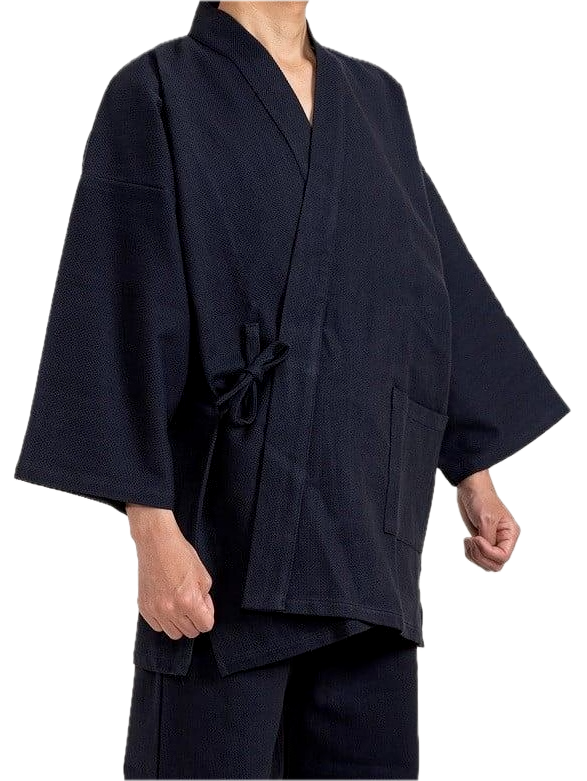
 Mid-thigh to hip-length jacket
 - Worn over kimono or Western clothing
- Usually open front, tied loosely with decorative cords called himo
- Available in lined or unlined forms depending on seasonality
- Often features kamon (family crests) on the back and sleeves
Unlike a full kimono, haori do not close across the front. This simple feature gives it its effortless aesthetic and makes it more practical for everyday wear.

3. Types of Men’s Haori

a) Classic Men's Haori
Elegant and minimal, these haori are perfect for both formal and casual settings. Browse our current Men’s Classic Haori Collection.

b) Antique Formal Haori (Montsuki)
Featuring crests (kamon) in white against black silk, these were traditionally worn for weddings, funerals, and tea ceremonies. See our curated Antique Formal Haori.

c) Traditional Patterned Haori
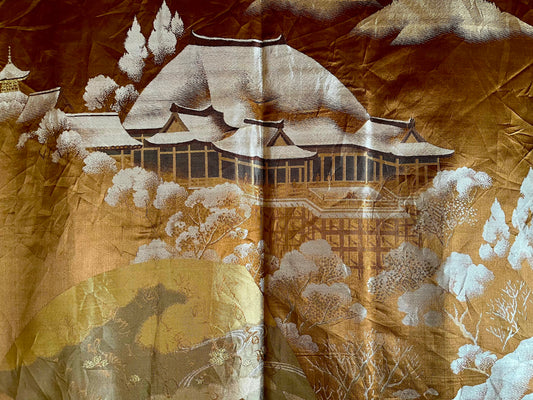
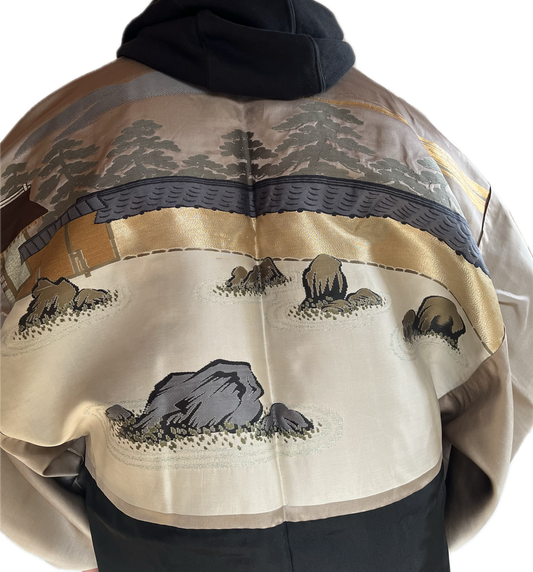
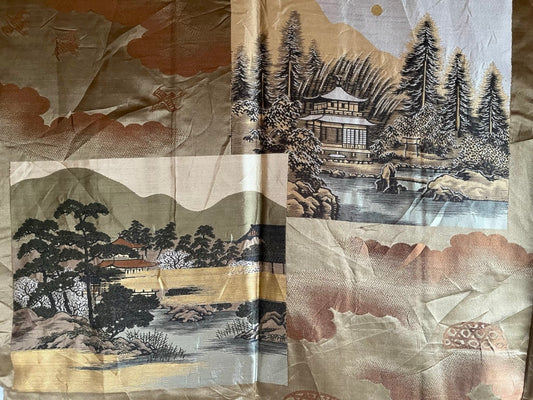
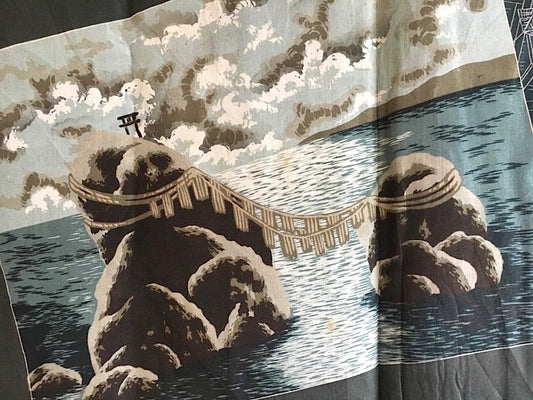
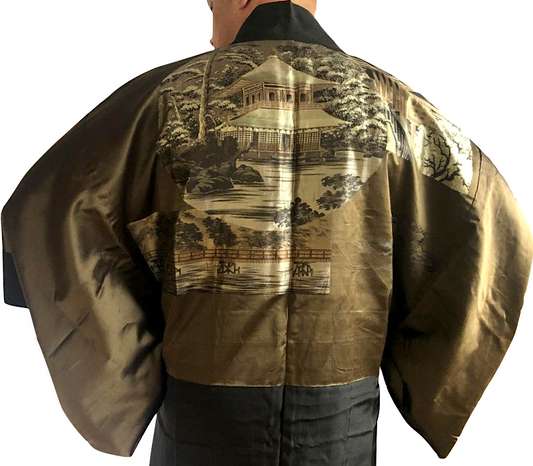
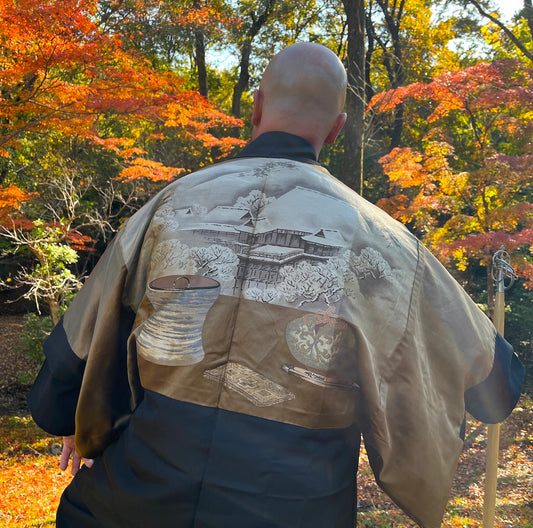
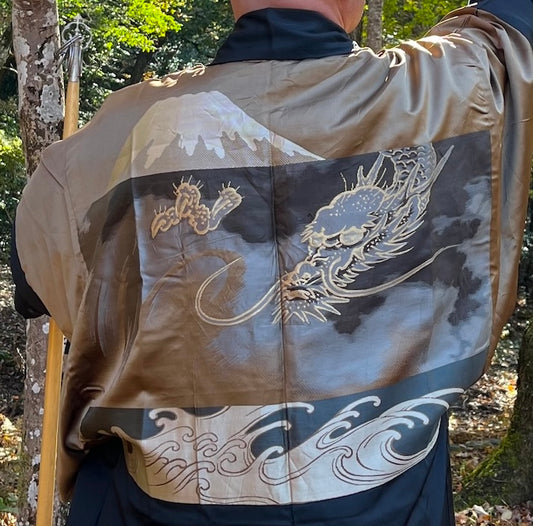
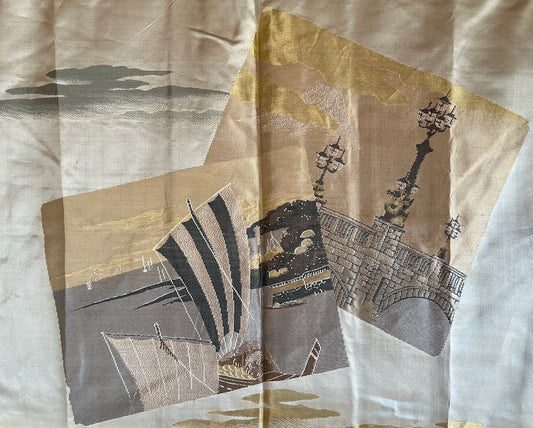
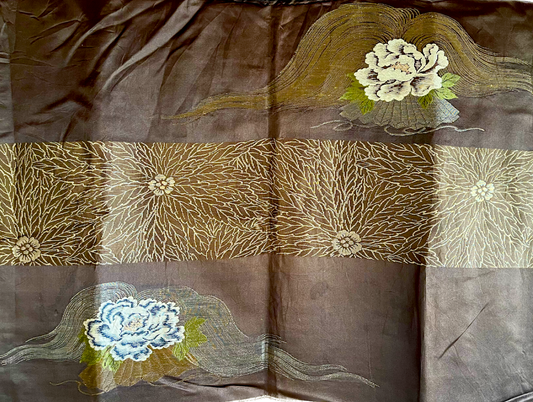
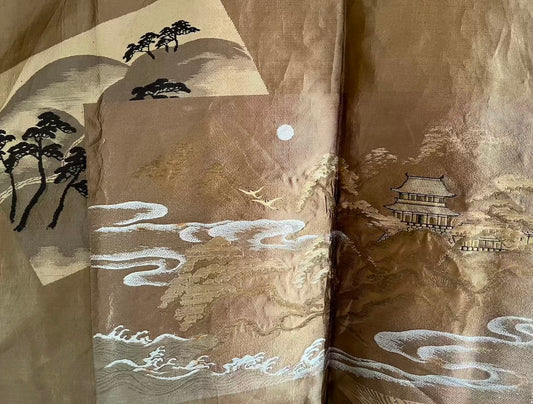
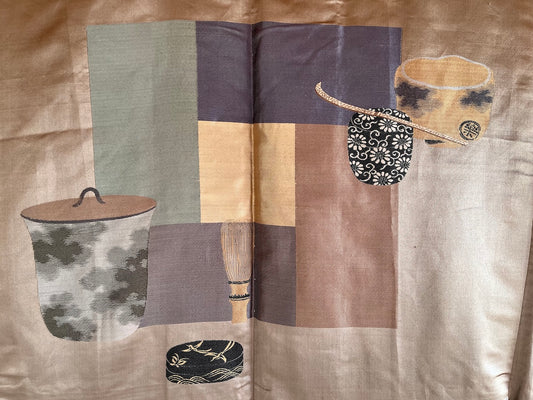
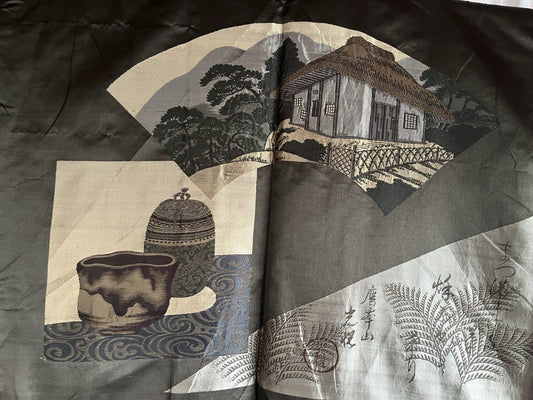
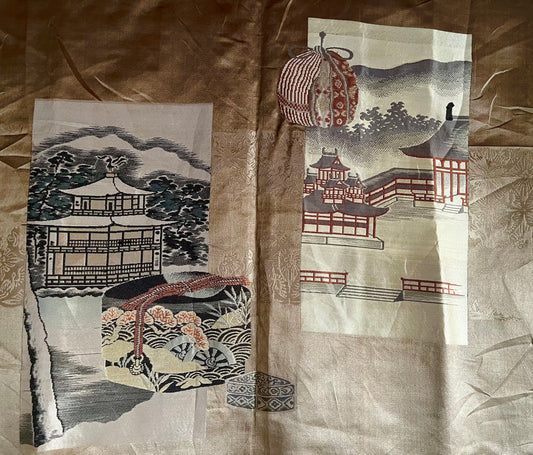
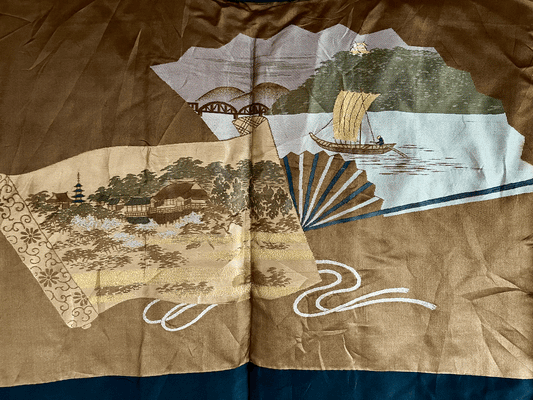
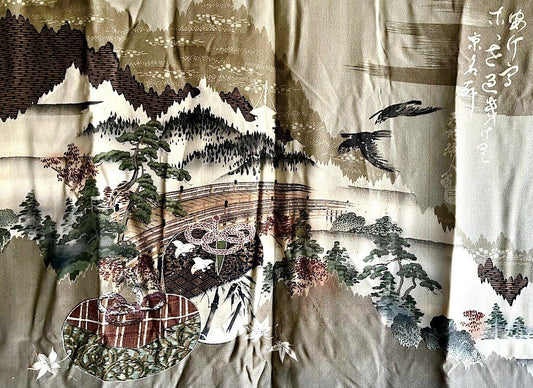
Often made from rinzu silk and featuring hidden or reversible linings. Browse the Traditional Antique Haori Collection.

d) Summer Haori (Unlined)
Light and breathable, often made from ro silk or hemp. Ideal for warm weather and layering. Visit the Men's Summer Haori.

e) Jinbaori (Samurai War Coats)
Originally worn over armor, these are ceremonial and powerful, often bold in design. Collection coming soon to BujindoShop.com.

f) Busho Baori (Military Elite Coats)
Worn by daimyo and high-ranking samurai, these dramatic pieces often included exotic fabrics and fur. Collection launching soon.

4. The Meaning of Kamon (Family Crests)
Most formal haori carry one to five family crests, traditionally in white. These mon (紋) symbolize honor, heritage, and lineage.
- Tsuru (Crane): Longevity and loyalty
- Umebachi (Plum Blossom): Resilience and rebirth
- Kiri (Paulownia): Imperial authority
- Mokkou: Protection and strength
- Katabami: Samurai clan legacy

5. When & How to Wear a Haori
Traditionally worn over a kimono, haori today can be styled with modern outfits. Whether you are practicing martial arts, attending a tea ceremony, or making a fashion statement, a haori can be adapted to your lifestyle.
| Occasion | Recommended Haori |
|---|---|
| Tea Ceremony | Formal Montsuki |
| Streetwear | Classic or Unlined Haori |
| Zen Meditation | Cotton or Summer Haori |
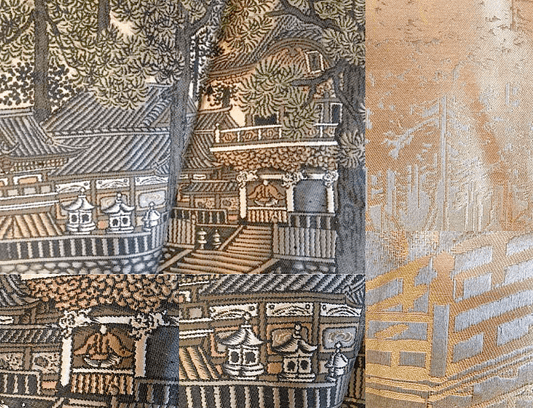
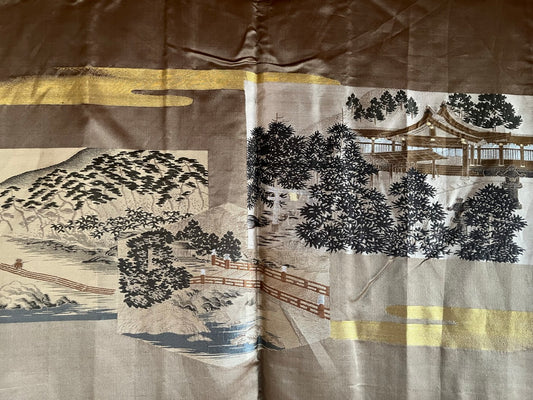
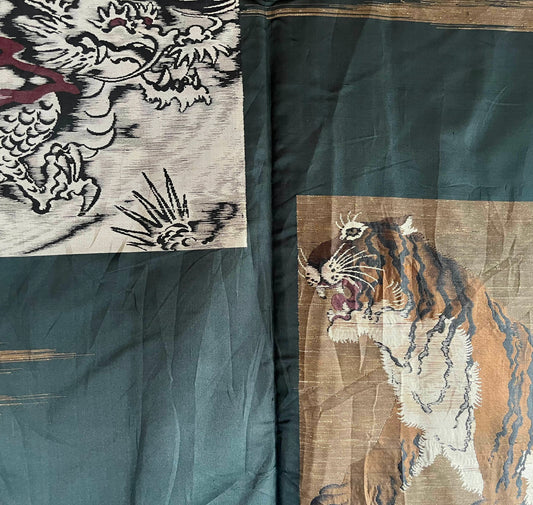
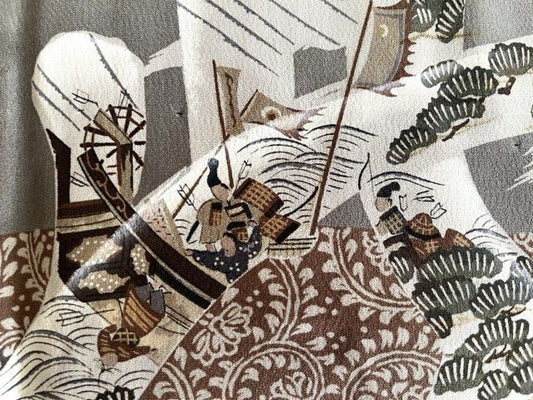
| Collecting / Display | Antique Haori with inner paintings |

6. Materials and Craftsmanship
Authentic haori are typically made from:
- Rinzu Silk: Glossy, patterned weave for formal styles
- Ro Silk: Summer silk with open weave
- Wool: Warm and durable for everyday wear
- Cotton: Comfortable and casual
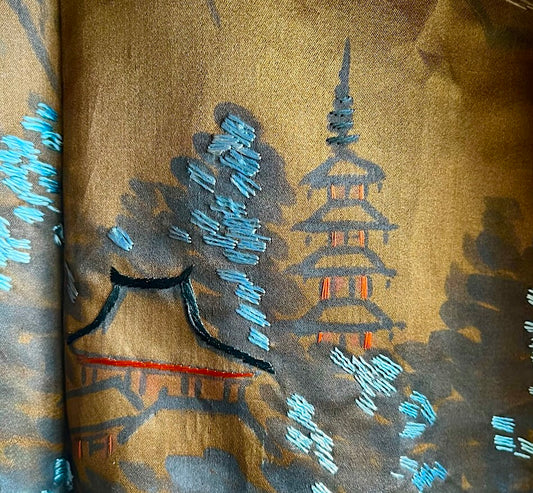
Antique pieces may also feature hand-painted linings, family crests, or artisan signatures (hanko). These add significant collectible value.

7. How to Choose Your Haori
When buying a haori, consider these points:
- Height Fit: Check length vs your height (see upcoming Haori Size Guide)
- Shoulder Width: Important for layering comfortably
- Formality: Choose based on occasion (casual vs ceremonial)
- Symbolism: Select motifs or crests with personal meaning
- Season: Unlined for summer, lined or wool for winter
Each haori at BujindoShop.com includes detailed measurements and symbolism.

8. How to Care for Your Haori
- Silk haori: dry clean only, store flat
- Wool: dry clean or air dry
- Cotton: hand wash cold and press gently
- Avoid prolonged sunlight exposure
- Use cedar wood or natural moth repellents

9. Where to Shop for Authentic Haori
BujindoShop.com curates 100% authentic Japanese haori, sourced directly from Kyoto and historical suppliers:
- Classic Men's Haori Collection
- Antique Formal Haori
- Traditional Antique Haori
- Summer Haori
- Coming Soon: Jinbaori & Busho Baori
Each piece includes details on origin, condition, measurements, and spiritual meaning — ideal for collectors, practitioners of Ninjutsu, and lovers of Japanese culture.

Conclusion
Owning a Japanese haori is not just about fashion — it's about wearing history, elegance, and a living expression of Japanese aesthetics. Whether you wear it as daily attire, use it in martial arts, or preserve it as a collector’s item, the haori is a garment of presence and depth.
Explore the full selection now at BujindoShop.com and wear a piece of Japan with pride.
-
Men's Japanese Haori Black Silk Umebachi Montsuki Zen Garden of Ryoanji Temple, Kyoto
Regular price $368.40Regular price$491.61Sale price $368.40PROMO -
Men’s Antique Haori – Black Silk Kikyo Montsuki Kyomizudera
Regular price $368.40Regular price$430.00Sale price $368.40PROMO -
Antique Men’s Haori Jacket - Zen Garden of Ryoanji Temple, Kyoto (Deluxe Edition)
Regular price $368.00Regular price$491.00Sale price $368.00PROMO -
Men’s Antique Japanese Haori – Black Silk Tsuru Montsuki with Golden Samurai Helmet (Kabuto)
Regular price $359.00Regular price$383.42Sale price $359.00PROMO -
Men’s Haori Antique - Black Silk Dakimyoga Montsuki Temple Ginkakuji & Kinkakuji Kyoto
Regular price $331.43Regular price$430.00Sale price $331.43PROMO -
Men’s Japanese Haori Black Silk Katabami Montsuki Meoto Iwa Ise
Regular price $329.00Regular price$369.00Sale price $329.00PROMO -
Antique Men’s Haori - Black Silk Montsuki Ginkakuji & Arashiyama Pattern Made in Japan
Regular price $307.00Regular price$359.00Sale price $307.00PROMO -
Men’s Haori Black Silk Mokkou Montsuki Kyomizu Dera Kyoto
Regular price $299.00Regular price$369.00Sale price $299.00PROMO -
Men’s Haori Black Silk Katabami Montsuki Fuji & Dragon RYU
Regular price $299.00Regular price$369.00Sale price $299.00PROMO -
Japanese Men's Formal Haori Black Silk Futatsu Hiki MonTsuki Japan Paris Art Style
Regular price $276.00Regular price$345.00Sale price $276.00PROMO -
Men’s Vintage Haori Black SilK Samurai Crest Botan Kuyo
Regular price $197.00Regular price$219.00Sale price $197.00PROMO -
Men’s Antique Haori – Black Silk Futatsu Hiki Montsuki – Sansui Gaden
Regular price $183.58Regular price$245.19Sale price $183.58PROMO -
Men’s Antique Black Silk Haori Sumitate Yotsume Montsuki Toshogu Yomeimon Nikko
Regular price $239.00Regular price$358.00Sale price $239.00PROMO -
Men's Haori – Black Silk Kenkatabami Montsuki – Shinto Shrine
Regular price $158.94Regular price$246.19Sale price $158.94Sold out -
Antique Japanese Haori Black Silk Montsuki with Mitsukashiwa Crests Hunting Scene
Regular price $158.90Regular price$245.19Sale price $158.90Sold out -
Men's Antique Japanese Haori Jacket Black Silk Mokkou Montsuki Dragon VS Tiger
Regular price $239.00Regular price$359.00Sale price $239.00PROMO -
Men's Haori Black Silk Mokkou Montsuki The SkyCastle "Takeda-Jo " Made in Japan
Regular price $232.00Regular price$249.00Sale price $232.00PROMO -
Men’s Antique Haori Black Silk Takanohane Montsuki SADO (Tea Ceremony)
Regular price $234.00Regular price$294.00Sale price $234.00PROMO -
Men's Antique Samurai Haori Black Silk Monstuki– Busho no Ikusa
Regular price $245.19Regular price$368.40Sale price $245.19PROMO -
Men's Haori antique - Agarifuji Montsuki Tiger VS Dragon
Regular price $245.19Regular price$356.08Sale price $245.19PROMO -
Antique Japanese Men’s Haori - Black Silk Katabami Montsuki with Horyuji Temple
Regular price $140.00Regular price$183.00Sale price $140.00PROMO -
Men’s Antique Traditional Japanese Haori Black Silk Montsuki OchaWashitsu
Regular price $245.19Regular price$405.36Sale price $245.19PROMO -
Men’s Antique Japanese Haori Tachibana Montsuki Kinkakuji & Jinja Kyoto
Regular price $232.87Regular price$356.08Sale price $232.87PROMO -
Men’s Japanese Haori – Black Silk Katabami Montsuki Kyomizudera Temple & Himeji Castle
Regular price $232.87Regular price$356.08Sale price $232.87PROMO -
Men’s Antique Haori – Black Silk Tachibana Montsuki – Aki no Nihon Fūkei
Regular price $154.00Regular price$206.00Sale price $154.00Sold out