Types of Japanese Haori for Men: Formal, Traditional, Casual & Summer Explained

Types of Japanese Haori for Men — A Complete Guide to Formal, Traditional, Samurai, Artisan, Martial Arts, Casual & Seasonal Haori
The Japanese haori for men is not a single garment but an entire universe of forms, functions, and meanings. Throughout Japanese history, the haori evolved as a response to social hierarchy, profession, ceremony, travel, warfare, craftsmanship, climate, and personal expression.
Unlike Western jackets, the haori was never merely decorative. Each variation conveyed precise information about the wearer: his status, role, environment, and intent. This guide offers the most complete and structured explanation of all major types of men’s haori, from the most formal ceremonial garments to everyday, artistic, and contemporary interpretations.
Whether you are a collector, practitioner of Japanese arts, martial artist, or modern enthusiast of authentic Japanese clothing, this article will help you understand which type of haori corresponds to each activity, profession, and cultural context.

1. Formal Haori — Ceremony, Status & Social Order
Kuro-Montsuki Haori (Black Crested Haori)
The kuro-montsuki haori represents the highest level of formality in men’s traditional clothing. Dyed in deep black and adorned with five kamon (family crests), it was historically worn with a matching black kimono and striped hakama.
This ensemble functioned as the male equivalent of Western formal wear and was reserved for weddings, funerals, official ceremonies, and court appearances. The placement of the five crests — one on the back, two on the sleeves, and two on the chest — was standardized during the Edo period.
Today, antique kuro-montsuki haori are highly sought after by collectors and cultural practitioners. You can explore authentic examples in our curated collection of Men’s Antique Formal Haori .

Iro-Montsuki Haori (Colored Formal Haori)
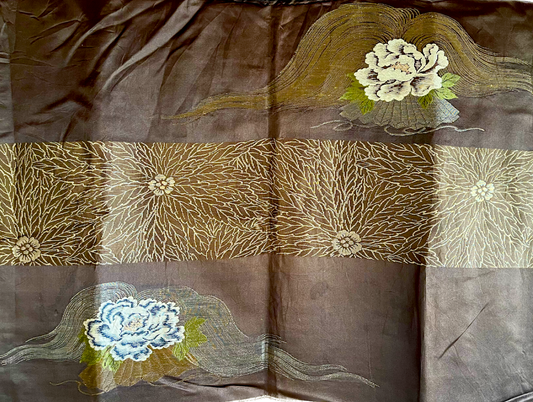
The iro-montsuki haori follows the same formal principles as the black version but uses refined colors such as grey, brown, indigo, or muted green. While still formal, it allowed a degree of individuality and was worn at ceremonies of lesser rigidity.
These haori demonstrate how Japanese formality balances discipline with subtle personal expression.

2. Traditional Everyday Haori — Balance Between Elegance & Practicality
Chū-Haori (Standard-Length Haori)
The chū-haori is the most common and versatile type of haori. Its length typically falls just above or at the knee, providing comfort, warmth, and freedom of movement.
During the Edo and Meiji periods, it was worn by merchants, townsmen, and officials as part of daily attire. Today, it remains the ideal entry point for men discovering traditional haori.
Modern and classic interpretations can be found in our Men’s Classic Haori Collection .
Naga-Haori (Long Haori)
The naga-haori, also known as hon-haori, extends significantly longer than standard models. Its popularity varied by era and region, with longer styles favored in Kansai (Kyoto–Osaka) and shorter ones in Edo (Tokyo).
Naga-haori convey dignity and composure and are often associated with scholars, artists, and refined urban elites.

3. Samurai & Warrior Haori — Mobility, Authority & Discipline
No-Baori (Travel and Military Haori)
The no-baori, sometimes called bussaki-baori, was worn by samurai during travel and military operations. Its defining feature is a slit in the back, allowing ease of movement when riding horses and carrying swords.
This haori was strictly regulated by class and symbolized the privileges and responsibilities of the warrior caste.
Jittoku-Baori (Monastic & Scholarly Haori)
The jittoku-baori originated during the Kamakura period and later became associated with monks and tea masters. Crafted from lightweight gauze silk (ro or sha), it emphasizes restraint, humility, and spiritual discipline.
It is still worn today by practitioners of traditional Japanese arts and Zen disciplines.

Busho-Baori (Commander & Military Authority Haori)
he busho-baori refers to haori worn by high-ranking samurai commanders (武将 – bushō), particularly during the late Sengoku and early Edo periods.
Unlike purely functional travel haori, the busho-baori embodied authority, leadership, and symbolic power on and off the battlefield.
Worn over armor or formal kimono, the busho-baori was often crafted from high-quality silk or heavy woven fabrics, sometimes featuring bold colors, distinctive cuts, or prominent family crests (kamon). Its role was not concealment or mobility alone, but visual command presence—allowing a leader to be immediately recognized by allies and retainers.
Historically, the busho-baori functioned as a garment of rank, reinforcing hierarchy within the warrior class. Certain designs, colors, or crest placements were restricted, reflecting both military status and clan identity.
In later periods, elements of the busho-baori influenced ceremonial and formal haori styles, especially those emphasizing dignity, restraint, and martial authority rather than ornamentation.
Today, the busho-baori survives primarily through antique examples, historical illustrations, and museum collections, valued for their connection to Japan’s warrior leadership culture and the aesthetics of command.

4. Artisan & Occupational Haori — Craft, Work & Identity
Chūbaori (Working Haori)
The chūbaori was designed for everyday work and travel. Shorter and simpler, it was favored by craftsmen, shop owners, and artisans.
Its construction prioritized durability, ease of movement, and comfort.
Kajibaori (Firefighters’ Haori)
Among the most iconic haori types, the kajibaori emerged during the Edo period among city firefighters. Made from thick cotton, leather, or reinforced fabrics with sashiko stitching, these haori were soaked in water before entering fires.
After extinguishing flames, firefighters often reversed their haori to reveal spectacular painted linings symbolizing protection and victory. Today, kajibaori are exceptional collector’s pieces.

5. Artistic & Decorative Haori — Hidden Worlds Beneath the Surface

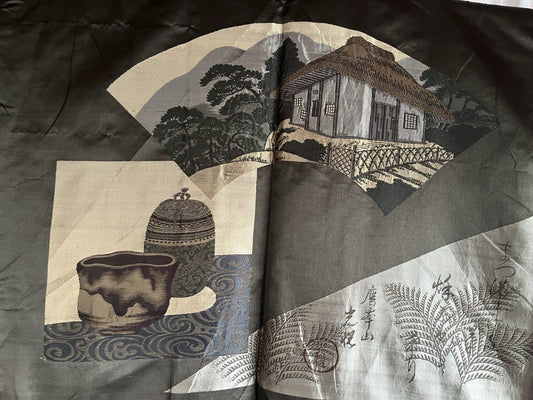
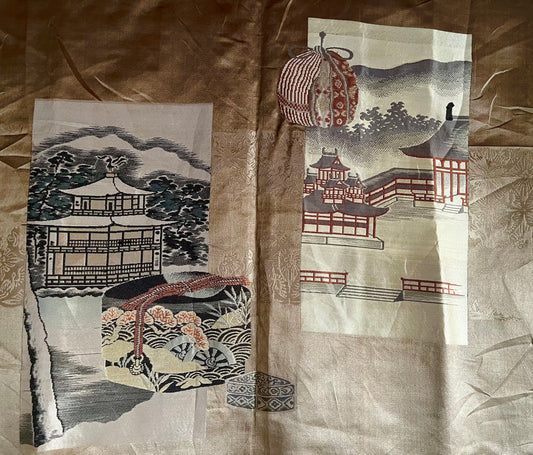
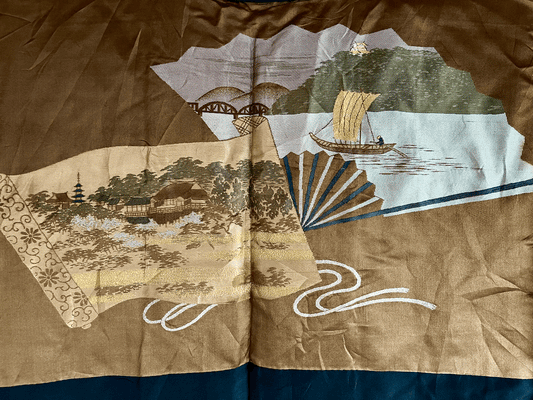
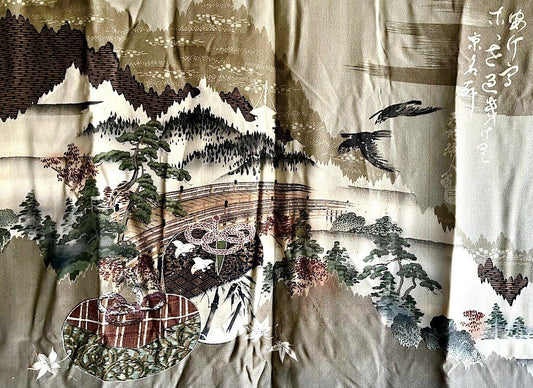
Gaku-Ura Baori (Decorated Lining Haori)
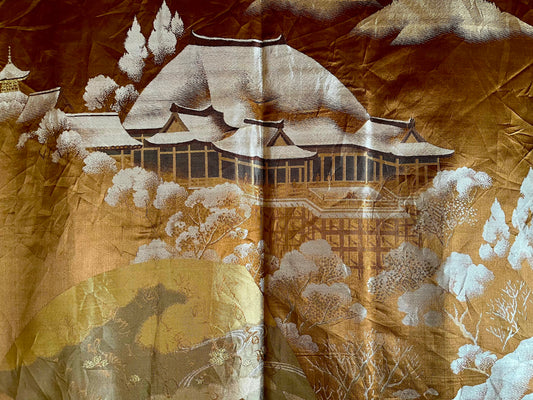
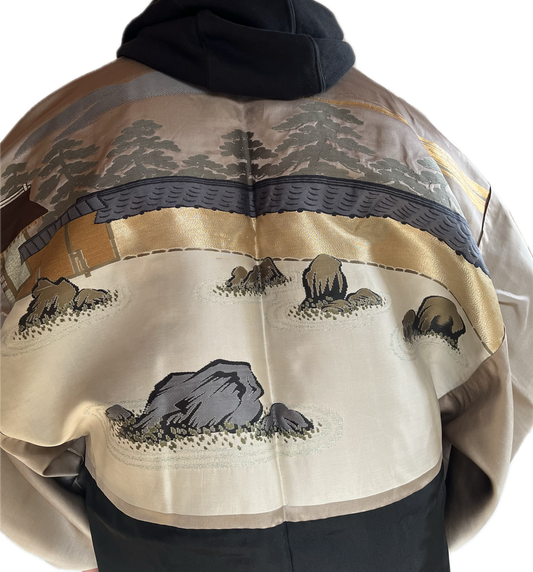
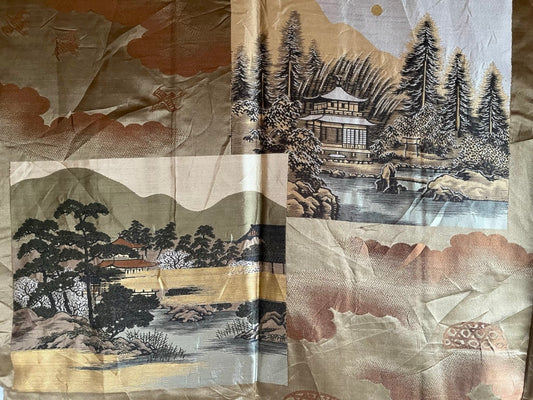
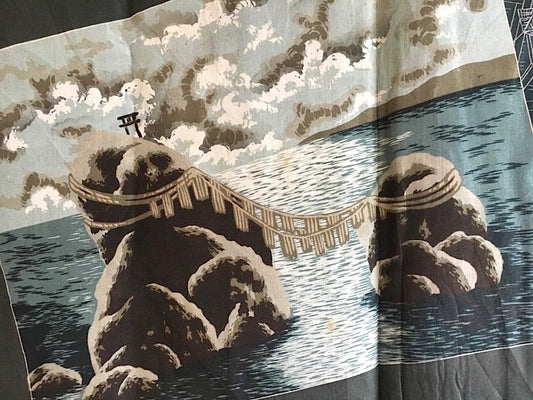
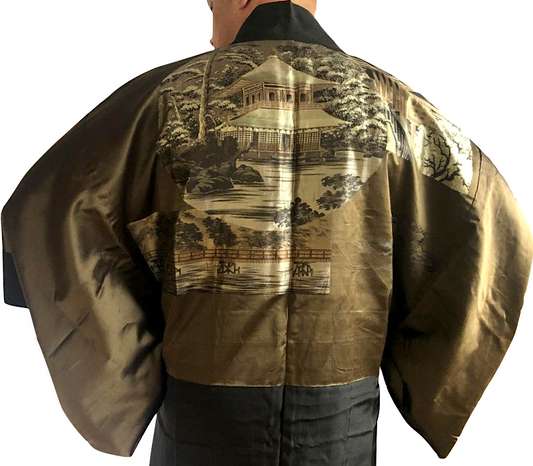
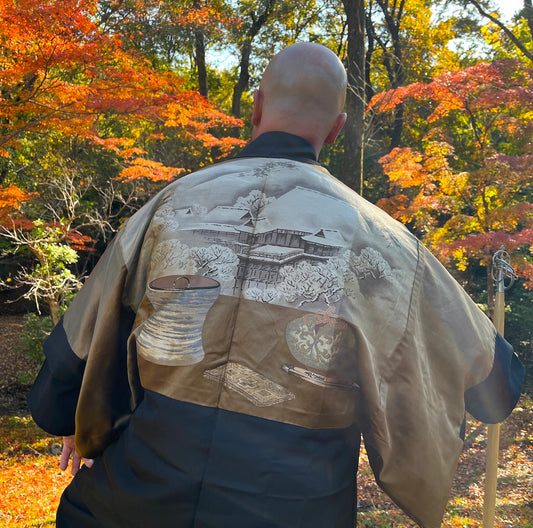
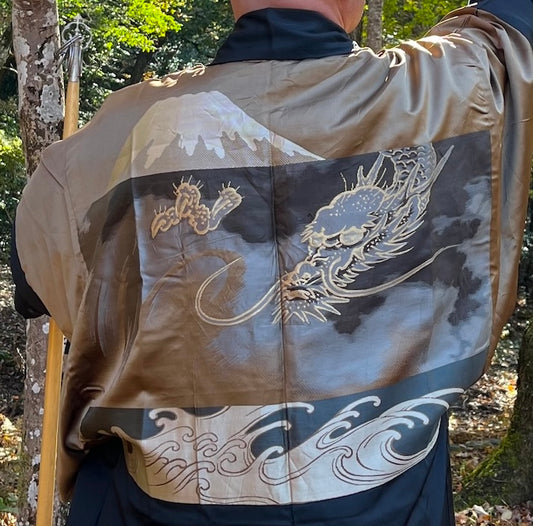
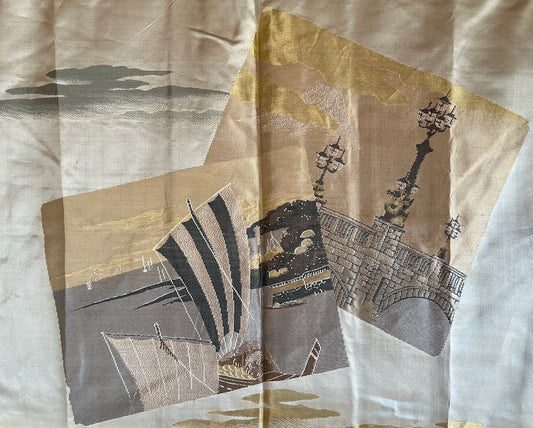
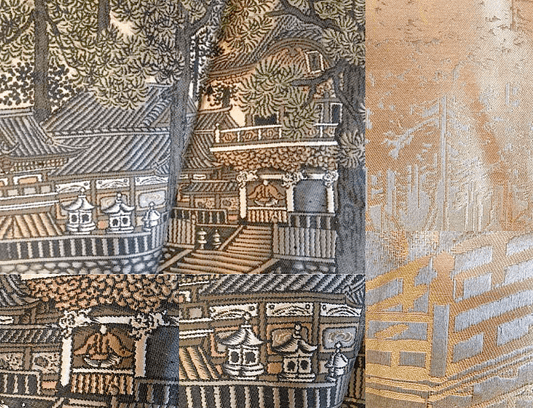
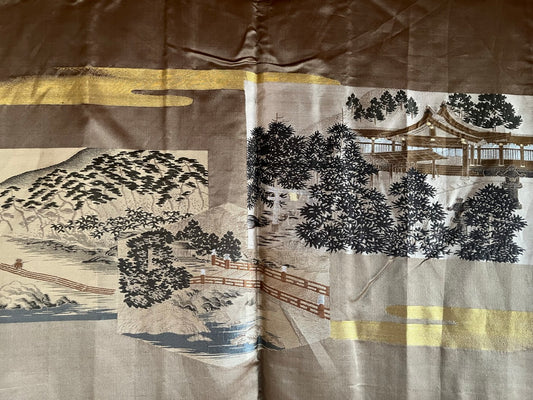
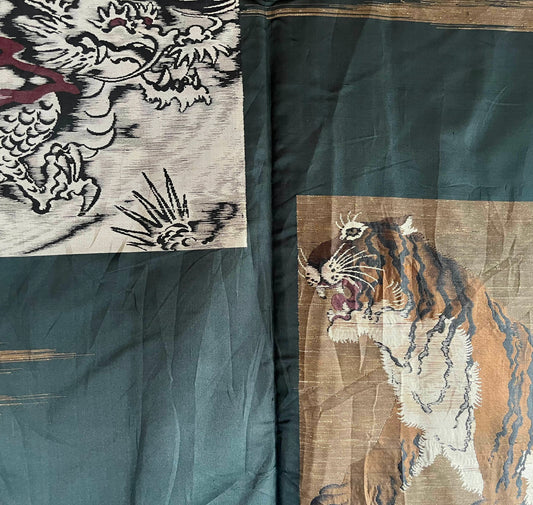
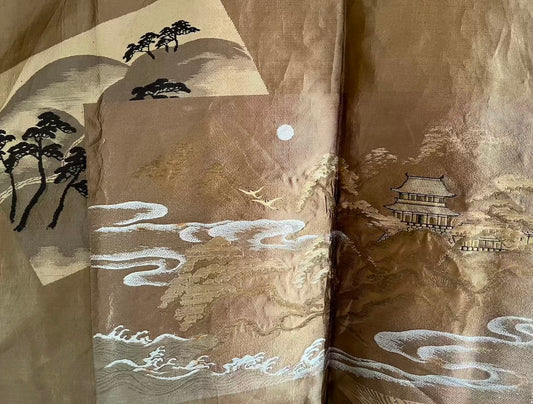
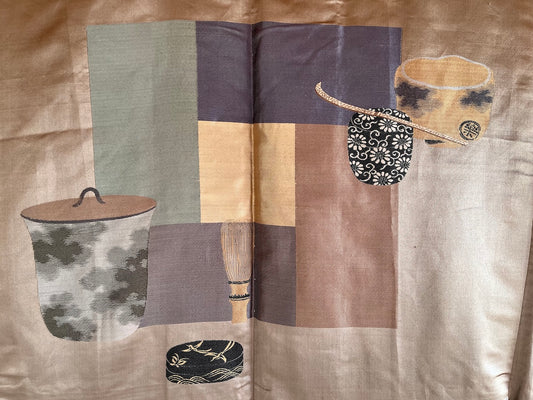
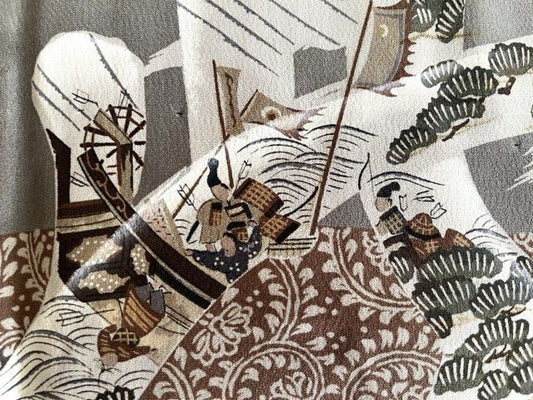
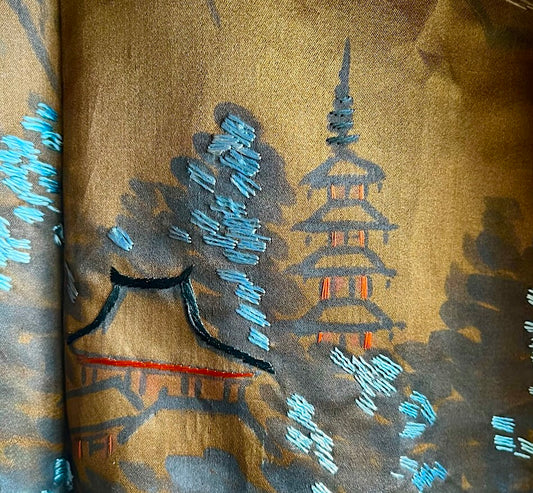
The gaku-ura baori features elaborate linings depicting landscapes, tigers, dragons, ships, Mount Fuji, historical scenes, or calligraphy.
These motifs were intended to be seen only by select individuals, embodying the Japanese aesthetic of restraint and inner refinement.

Collectors seeking such pieces will appreciate our Men’s Antique Traditional Haori Collection .

6. Seasonal Haori — Climate, Fabric & Function
Summer Haori
Designed for Japan’s hot and humid summers, summer haori are crafted from lightweight silk, gauze, or breathable weaves. They offer elegance without trapping heat.
These rare garments are highly appreciated today for both wearability and refinement. You can discover them in our Men’s Antique Summer Haori Collection .

7. Casual & Contemporary Haori — Tradition Reimagined
In modern Japan and internationally, the haori has been reinterpreted as a versatile outer garment worn over Western clothing.
Contemporary haori often use simplified cuts and modern fabrics while retaining traditional proportions. They are favored by artists, designers, martial artists, and practitioners of Japanese culture.

Quick Reference Table — Choosing the Right Haori
| Context | Recommended Haori |
|---|---|
| Formal Ceremony | Kuro-Montsuki / Iro-Montsuki |
| Traditional Daily Wear | Jin / Chū-Haori |
| Martial Arts & History | Busho-Baori |
| Craft & Artisans | Chūbaori |
| Collectors & Art Lovers | Gaku-Ura / Kajibaori |
| Summer Wear | Lightweight Summer Haori |
Conclusion
The diversity of Japanese haori for men reflects the depth of Japanese culture, where clothing is a language in itself. Each type tells a story of function, discipline, craftsmanship, and personal identity.
Understanding these distinctions allows modern wearers and collectors to choose a haori that truly resonates with their values and lifestyle.
At BujindoShop, we curate authentic haori that honor this heritage while making it accessible to today’s world.
-
Men's Japanese Haori Black Silk Umebachi Montsuki Zen Garden of Ryoanji Temple, Kyoto
Regular price $368.40Regular price$491.61Sale price $368.40PROMO -
Men’s Antique Haori – Black Silk Kikyo Montsuki Kyomizudera
Regular price $368.40Regular price$430.00Sale price $368.40PROMO -
Antique Men’s Haori Jacket - Zen Garden of Ryoanji Temple, Kyoto (Deluxe Edition)
Regular price $368.00Regular price$491.00Sale price $368.00PROMO -
Men’s Antique Japanese Haori – Black Silk Tsuru Montsuki with Golden Samurai Helmet (Kabuto)
Regular price $359.00Regular price$383.42Sale price $359.00PROMO -
Men’s Haori Antique - Black Silk Dakimyoga Montsuki Temple Ginkakuji & Kinkakuji Kyoto
Regular price $331.43Regular price$430.00Sale price $331.43PROMO -
Men’s Japanese Haori Black Silk Katabami Montsuki Meoto Iwa Ise
Regular price $329.00Regular price$369.00Sale price $329.00PROMO -
Antique Men’s Haori - Black Silk Montsuki Ginkakuji & Arashiyama Pattern Made in Japan
Regular price $307.00Regular price$359.00Sale price $307.00PROMO -
Men’s Haori Black Silk Mokkou Montsuki Kyomizu Dera Kyoto
Regular price $299.00Regular price$369.00Sale price $299.00PROMO -
Men’s Haori Black Silk Katabami Montsuki Fuji & Dragon RYU
Regular price $299.00Regular price$369.00Sale price $299.00PROMO -
Japanese Men's Formal Haori Black Silk Futatsu Hiki MonTsuki Japan Paris Art Style
Regular price $276.00Regular price$345.00Sale price $276.00PROMO -
Men’s Vintage Haori Black SilK Samurai Crest Botan Kuyo
Regular price $197.00Regular price$219.00Sale price $197.00PROMO -
Men’s Antique Haori – Black Silk Futatsu Hiki Montsuki – Sansui Gaden
Regular price $183.58Regular price$245.19Sale price $183.58PROMO -
Men’s Antique Black Silk Haori Sumitate Yotsume Montsuki Toshogu Yomeimon Nikko
Regular price $239.00Regular price$358.00Sale price $239.00PROMO -
Men's Haori – Black Silk Kenkatabami Montsuki – Shinto Shrine
Regular price $158.94Regular price$246.19Sale price $158.94Sold out -
Antique Japanese Haori Black Silk Montsuki with Mitsukashiwa Crests Hunting Scene
Regular price $158.90Regular price$245.19Sale price $158.90Sold out -
Men's Antique Japanese Haori Jacket Black Silk Mokkou Montsuki Dragon VS Tiger
Regular price $239.00Regular price$359.00Sale price $239.00PROMO -
Men's Haori Black Silk Mokkou Montsuki The SkyCastle "Takeda-Jo " Made in Japan
Regular price $232.00Regular price$249.00Sale price $232.00PROMO -
Men’s Antique Haori Black Silk Takanohane Montsuki SADO (Tea Ceremony)
Regular price $234.00Regular price$294.00Sale price $234.00PROMO -
Men's Antique Samurai Haori Black Silk Monstuki– Busho no Ikusa
Regular price $245.19Regular price$368.40Sale price $245.19PROMO -
Men's Haori antique - Agarifuji Montsuki Tiger VS Dragon
Regular price $245.19Regular price$356.08Sale price $245.19PROMO -
Antique Japanese Men’s Haori - Black Silk Katabami Montsuki with Horyuji Temple
Regular price $140.00Regular price$183.00Sale price $140.00PROMO -
Men’s Antique Traditional Japanese Haori Black Silk Montsuki OchaWashitsu
Regular price $245.19Regular price$405.36Sale price $245.19PROMO -
Men’s Antique Japanese Haori Tachibana Montsuki Kinkakuji & Jinja Kyoto
Regular price $232.87Regular price$356.08Sale price $232.87PROMO -
Men’s Japanese Haori – Black Silk Katabami Montsuki Kyomizudera Temple & Himeji Castle
Regular price $232.87Regular price$356.08Sale price $232.87PROMO -
Men’s Antique Haori – Black Silk Tachibana Montsuki – Aki no Nihon Fūkei
Regular price $154.00Regular price$206.00Sale price $154.00Sold out