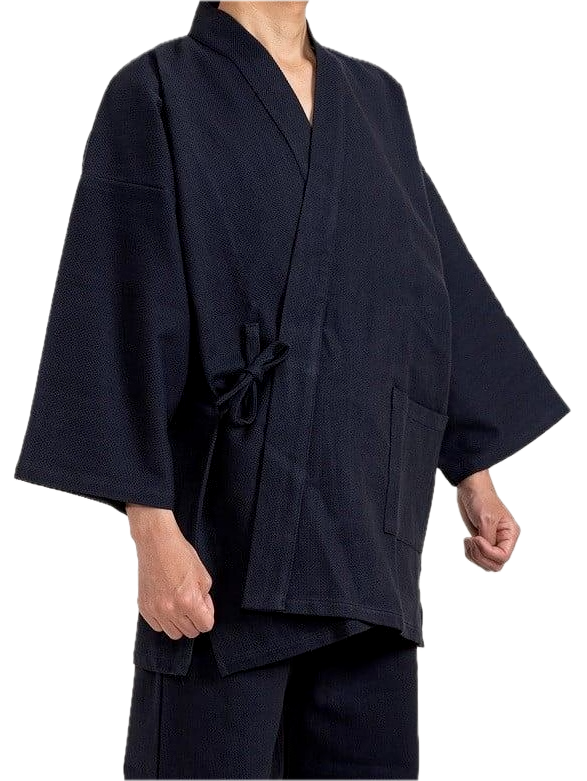

How to Care for an Antique Silk Haori (Storage, Handling & Preservation)

How to Care for an Antique Silk Haori (Storage, Handling & Preservation)
An antique silk haori is wearable history: refined weaving, hand-finished details, and often a hidden story painted or woven into the lining. Because vintage silk is more sensitive to light, humidity, friction, and oils, proper care is less about “cleaning often” and more about preventing damage with the right handling, storage, and gentle maintenance habits.
This guide gives you a practical, collector-level routine—whether you wear your haori occasionally or preserve it as a long-term investment piece.

Quick Care Rules (If You Only Read One Section)
- Never machine wash or tumble dry antique silk haori.
- Avoid direct sunlight (silk fades fast; black silk can bronze).
- Keep away from humidity (mold) and overdry heat (fiber stress).
- Handle with clean hands (skin oils stain silk over time).
- Store folded with breathable protection and refold occasionally to avoid permanent creases.
- When in doubt: consult a specialist cleaner experienced with kimono/haori textiles.

1) Understanding Antique Silk: What Makes It Fragile?
Silk is strong for its weight, but antique silk becomes more vulnerable with age, past storage conditions, and dye chemistry. Common risks include:
- Photodegradation: UV light weakens fibers and fades dyes.
- Humidity swings: encourage mold and can distort structure.
- Friction at stress points: cuffs, collar, underarms, and seams.
- Body oils / perfume: create invisible spots that darken and set over time.
- Old stains: can oxidize and “rise” years later.

2) Handling: How to Put On and Remove an Antique Haori Safely
The goal is to reduce pulling on seams and prevent oil transfer.
Before wearing
- Wash hands (or use thin cotton gloves for very delicate pieces).
- Avoid perfume/cologne on neck and wrists before wearing.
- Remove sharp jewelry (rings, watches, bracelets) that can snag silk.
- Check the lining and seams quickly—if threads look loose, avoid stress and consider repair.
Putting it on
- Slide arms gently without forcing—never “push through” resistance.
- Support the garment by the body panels, not the collar seam.
- Keep nails smooth; silk catches micro-scratches easily.
After wearing
- Let the haori rest in a shaded, ventilated place for 2–6 hours.
- Lightly brush off dust with a very soft garment brush (gentle strokes).
- If slightly wrinkled, allow gravity to relax it—avoid aggressive steaming.

3) Storage: The Best Way to Preserve Antique Silk Long-Term
Storage is where most damage happens—usually from humidity, light, insects, and pressure. Your goal is a stable, breathable environment.
Ideal storage conditions
- Cool, dry, dark: avoid sunlit closets and warm shelves.
- Stable humidity: aim for a dry room; avoid damp corners and exterior walls.
- Airflow: breathable materials beat plastic sealing.
Folded storage (recommended for antiques)
Many collectors prefer folded storage using breathable wrapping. If you have a kimono/haori storage sleeve or soft cotton cover, that’s ideal.
- Fold gently to avoid sharp creases—think “soft folds,” not tight edges.
- Place acid-free tissue (or clean soft cotton) between fold points to reduce crease stress.
- Store flat in a drawer or storage box; avoid heavy stacking.
- Refold every 2–4 months to prevent permanent crease lines.
Hanging (only for short periods)
Hanging antique silk long-term can stretch shoulders and stress seams. If you must hang for display or a short season:
- Use a wide, padded hanger or a traditional kimono hanger (horizontal support).
- Keep away from windows and UV light.
- Limit hanging to short intervals, then return to folded storage.
4) Moisture, Mold & Odor: Prevention and Safe Recovery
Musty odor is often a warning sign of past humidity. Do not “seal the smell in” with plastic. Instead:
- Air the haori in shade with gentle airflow (never direct sun).
- Use a dehumidifier in the room if your climate is humid.
- If you see any visible mold, stop handling and consult a specialist—brushing can spread spores and damage silk.
5) Cleaning: What You Can Do (and What You Should Never Do)
Safe at-home care
- Gentle dust removal with a very soft brush.
- Spot-checking under good light (look for seam stress, tiny tears, powdering silk).
- Ventilation after wear to prevent odor build-up.
Avoid these common mistakes
- No machine wash (even “delicate”).
- No harsh stain removers (they can strip dye or set stains).
- No heavy steaming (moisture + heat can distort antique silk).
- No ironing directly—if absolutely necessary, use a cloth barrier and the lowest heat, but a specialist is safer.
What to do if you spill something
- Blot gently—do not rub.
- Use a clean, dry cloth to absorb moisture.
- Let it air-dry naturally in shade.
- For anything oily, colored, or unknown: take it to a specialist cleaner experienced with kimono/haori textiles.
6) Protecting Against Insects (Without Damaging Silk)
Silk is attractive to pests when stored with food residue, sweat salts, or in humid conditions.
- Always store clean and fully aired-out (never damp).
- Use breathable storage and keep the area dry.
- Check seasonally for signs of insect activity (pinholes, powder, irregular edges).
- Avoid placing strong chemicals directly against silk—keep any repellents outside the garment wrap.

Explore Our Antique Black Silk Haori (Collector Highlights)
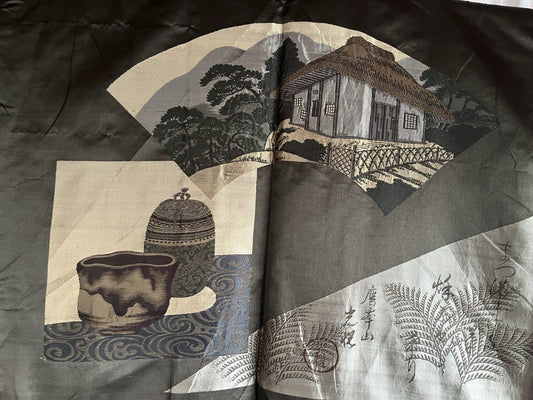
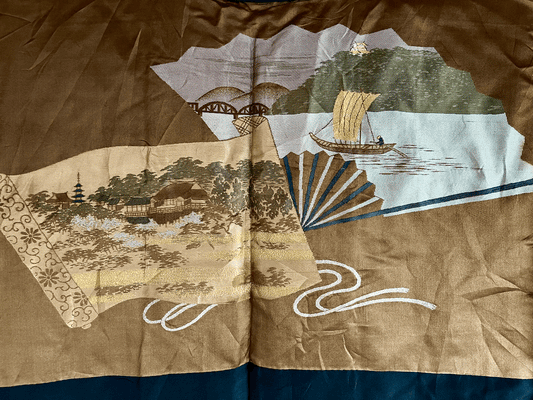
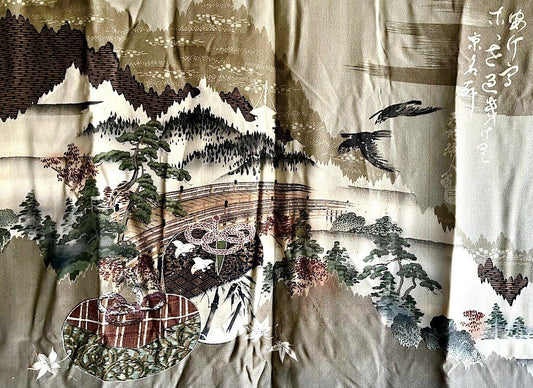
Here are a few standout men’s black silk montsuki haori from our collection—each with distinct kamon and narrative linings. (Replace links below with the exact product URLs from your store admin if needed.)
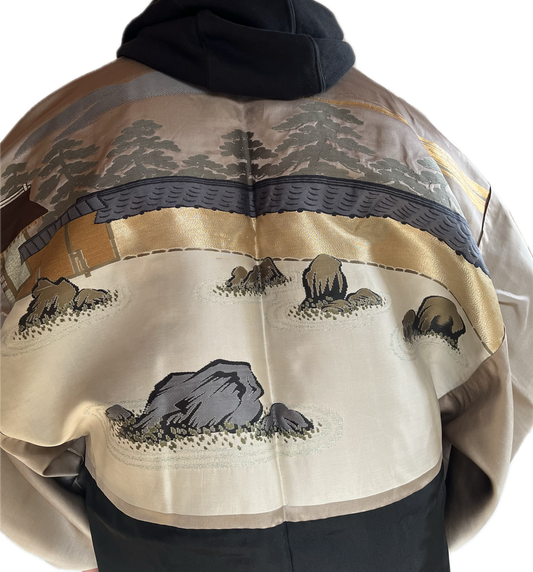
Men’s Japanese Haori — Black Silk Umebachi Montsuki (Ryoanji Zen Garden, Kyoto)
A refined formal silhouette with the Umebachi crest and a Kyoto-inspired interior scene—ideal for collectors who love temple aesthetics and understated elegance.
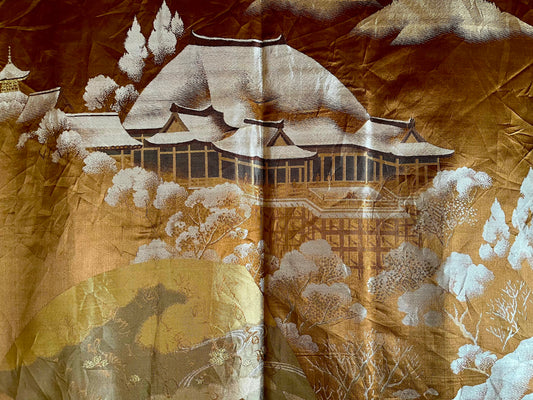
Men’s Antique Haori — Black Silk Kikyo Montsuki (Kyomizudera)
Featuring the Kikyo crest and a classic Kyoto landmark theme, this piece balances formal presence with strong cultural storytelling.
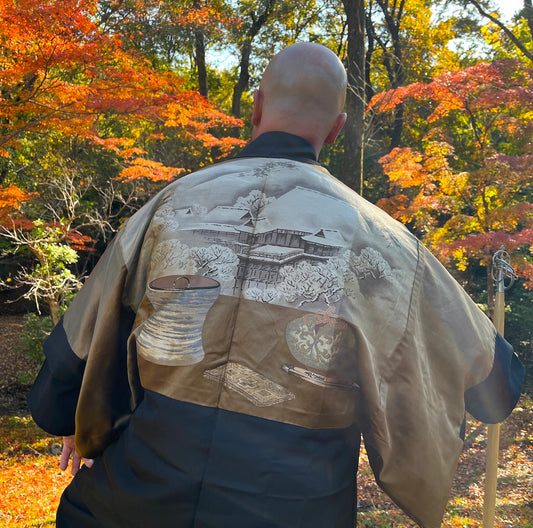
Men’s Antique Haori — Black Silk Tsuru Montsuki (Golden Kabuto / Samurai Helmet)
A dramatic collector piece: crane symbolism paired with a striking golden kabuto motif inside—excellent for samurai-history enthusiasts.
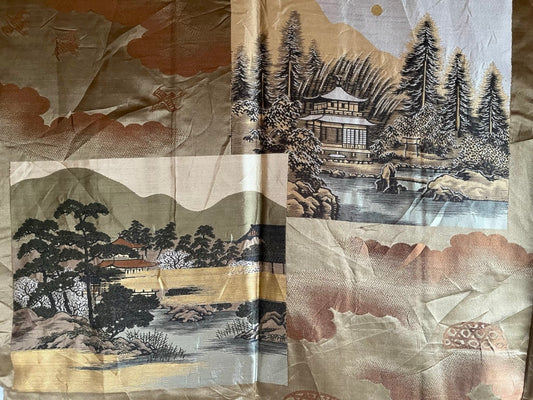
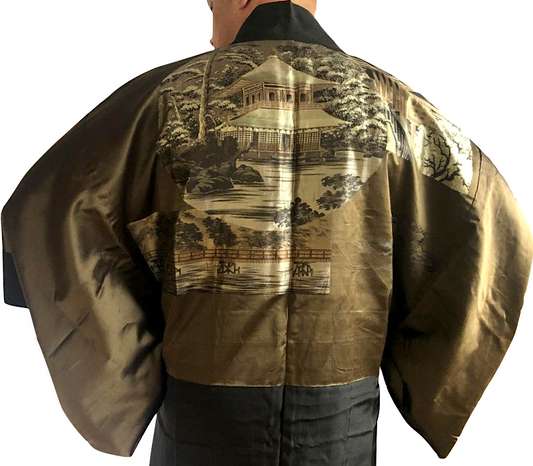
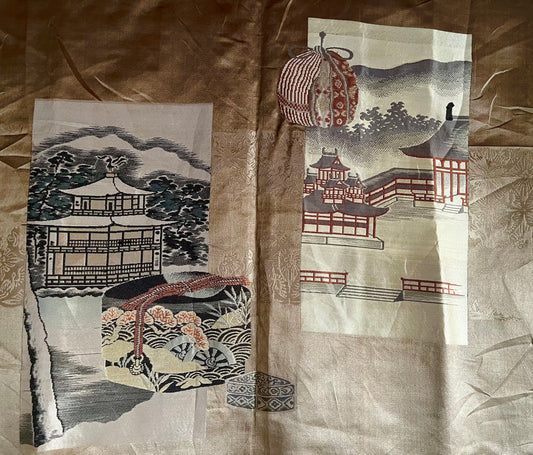
Men’s Antique Haori — Black Silk Dakimyoga Montsuki (Ginkakuji & Kinkakuji, Kyoto)
A Kyoto double-temple narrative with the Dakimyoga crest—perfect for collectors who want a “travel-through-Kyoto” lining story.
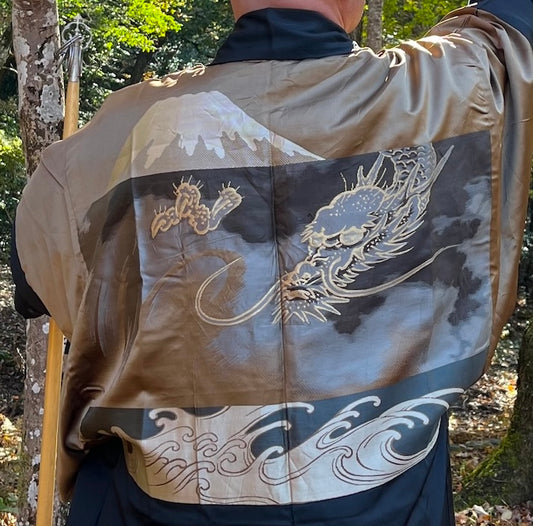
Men’s Haori — Black Silk Katabami Montsuki (Fuji & Dragon)
A powerful interior composition with Mount Fuji and a dynamic dragon—a bold choice with strong symbolic energy.
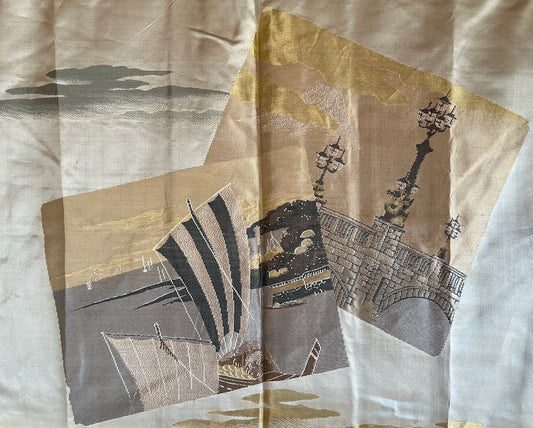
Japanese Men’s Formal Haori — Black Silk Futatsu Hiki MonTsuki (Paris Art Style)
A formal montsuki with a refined, graphic interior mood—great for collectors who appreciate modern contrast and rare thematic variations.
Men’s Haori — Black Silk Mokkou Montsuki (Kyomizudera, Kyoto)
With the Mokkou crest and Kyoto scenery inside, this is a beautiful “daily-wearable collector” piece—subtle outside, story-rich inside.
Want to browse more? Explore the haori collections: Men’s Classic Haori | Men’s Antique Haori (Formal) | Men’s Antique Haori (Traditional) | Men’s Antique Summer Haori

Continue Learning: Related Haori Guides
Why Antique Japanese Haori Are Becoming Collectors’ Pieces
Understand the factors driving value: rarity, craftsmanship, cultural symbolism, and why certain montsuki and linings are increasingly sought-after. Read the article
Formal vs Casual Japanese Haori for Men — How to Choose the Right One
Learn how formality works (montsuki, crests, fabric cues), and how to pick a haori for ceremonies, style, or everyday wear. Read the article
Types of Japanese Haori for Men (Formal, Traditional, Casual & Summer) Explained
A clear breakdown of the main haori categories—what changes in fabric, construction, and seasonality, and how collectors evaluate each type. Read the article

FAQ: Antique Silk Haori Care
Can I steam an antique silk haori?
Light, distant steaming can be risky. For antiques, prefer resting and gravity to release wrinkles. If wrinkles are severe, consult a specialist.
How often should I refold it?
Every 2–4 months is a good routine to avoid permanent fold stress, especially on black silk.
Is it safe to store in plastic?
Not recommended for antiques. Plastic can trap moisture and accelerate odor/mold issues. Choose breathable storage instead.
Keywords: antique silk haori care, how to store a haori, black silk montsuki, Japanese haori preservation, kimono storage, vintage silk care, haori collector guide.
-
Men's Japanese Haori Black Silk Umebachi Montsuki Zen Garden of Ryoanji Temple, Kyoto
Regular price $368.40Regular price$491.61Sale price $368.40PROMO -
Men’s Antique Haori – Black Silk Kikyo Montsuki Kyomizudera
Regular price $368.40Regular price$430.00Sale price $368.40PROMO -
Antique Men’s Haori Jacket - Zen Garden of Ryoanji Temple, Kyoto (Deluxe Edition)
Regular price $368.00Regular price$491.00Sale price $368.00PROMO -
Men’s Antique Japanese Haori – Black Silk Tsuru Montsuki with Golden Samurai Helmet (Kabuto)
Regular price $359.00Regular price$383.42Sale price $359.00PROMO -
Men’s Haori Antique - Black Silk Dakimyoga Montsuki Temple Ginkakuji & Kinkakuji Kyoto
Regular price $331.43Regular price$430.00Sale price $331.43PROMO -
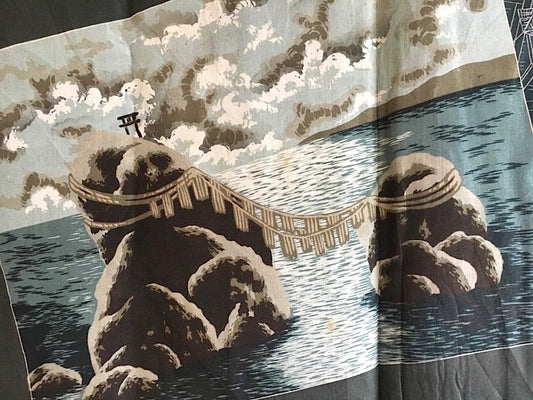
Men’s Japanese Haori Black Silk Katabami Montsuki Meoto Iwa Ise
Regular price $329.00Regular price$369.00Sale price $329.00PROMO -
Antique Men’s Haori - Black Silk Montsuki Ginkakuji & Arashiyama Pattern Made in Japan
Regular price $307.00Regular price$359.00Sale price $307.00PROMO -
Men’s Haori Black Silk Mokkou Montsuki Kyomizu Dera Kyoto
Regular price $299.00Regular price$369.00Sale price $299.00PROMO -
Men’s Haori Black Silk Katabami Montsuki Fuji & Dragon RYU
Regular price $299.00Regular price$369.00Sale price $299.00PROMO -
Japanese Men's Formal Haori Black Silk Futatsu Hiki MonTsuki Japan Paris Art Style
Regular price $276.00Regular price$345.00Sale price $276.00PROMO -
Men’s Vintage Haori Black SilK Samurai Crest Botan Kuyo
Regular price $197.00Regular price$219.00Sale price $197.00PROMO -
Men’s Antique Haori – Black Silk Futatsu Hiki Montsuki – Sansui Gaden
Regular price $183.58Regular price$245.19Sale price $183.58PROMO -
Men’s Antique Black Silk Haori Sumitate Yotsume Montsuki Toshogu Yomeimon Nikko
Regular price $239.00Regular price$358.00Sale price $239.00PROMO -
Men's Haori – Black Silk Kenkatabami Montsuki – Shinto Shrine
Regular price $158.94Regular price$246.19Sale price $158.94Sold out -
Antique Japanese Haori Black Silk Montsuki with Mitsukashiwa Crests Hunting Scene
Regular price $158.90Regular price$245.19Sale price $158.90Sold out -
Men's Antique Japanese Haori Jacket Black Silk Mokkou Montsuki Dragon VS Tiger
Regular price $239.00Regular price$359.00Sale price $239.00PROMO -
Men's Haori Black Silk Mokkou Montsuki The SkyCastle "Takeda-Jo " Made in Japan
Regular price $232.00Regular price$249.00Sale price $232.00PROMO -
Men’s Antique Haori Black Silk Takanohane Montsuki SADO (Tea Ceremony)
Regular price $234.00Regular price$294.00Sale price $234.00PROMO -
Men's Antique Samurai Haori Black Silk Monstuki– Busho no Ikusa
Regular price $245.19Regular price$368.40Sale price $245.19PROMO -
Men's Haori antique - Agarifuji Montsuki Tiger VS Dragon
Regular price $245.19Regular price$356.08Sale price $245.19PROMO -
Antique Japanese Men’s Haori - Black Silk Katabami Montsuki with Horyuji Temple
Regular price $140.00Regular price$183.00Sale price $140.00PROMO -
Men’s Antique Traditional Japanese Haori Black Silk Montsuki OchaWashitsu
Regular price $245.19Regular price$405.36Sale price $245.19PROMO -
Men’s Antique Japanese Haori Tachibana Montsuki Kinkakuji & Jinja Kyoto
Regular price $232.87Regular price$356.08Sale price $232.87PROMO -
Men’s Japanese Haori – Black Silk Katabami Montsuki Kyomizudera Temple & Himeji Castle
Regular price $232.87Regular price$356.08Sale price $232.87PROMO -
Men’s Antique Haori – Black Silk Tachibana Montsuki – Aki no Nihon Fūkei
Regular price $154.00Regular price$206.00Sale price $154.00Sold out