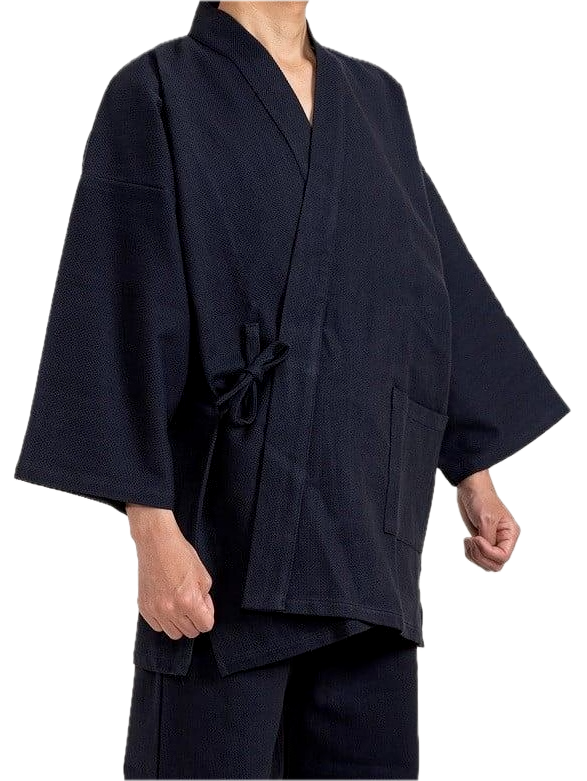


Formal vs Casual Japanese Haori for Men — How to Choose the Right One
A Japanese haori (羽織) is more than a jacket. For men, it sits at the crossroads of tradition, etiquette, craftsmanship, and personal style. The same silhouette can signal strict formality at ceremonies or relaxed refinement for daily wear. This guide explains the real difference between formal haori and casual haori, so you can choose the right piece with confidence—whether you are building a wardrobe for cultural events, collecting antiques, or wearing Japanese clothing in modern life.
Quick Answer: What Makes a Haori “Formal” or “Casual”?
In men’s Japanese dress, “formal” and “casual” are not defined by one single detail. Instead, formality is determined by a combination of:
- Color and finish (deep black and uniform dyeing are more formal)
- Kamon (family crests) and the number of crests (more crests = higher formality)
- Fabric and weave (silk and refined textures tend to read more formal)
- Pattern visibility (subtle, restrained design is usually more formal)
- Context of wear (ceremonies vs daily, seasonal, or lifestyle use)
If you are specifically looking for authentic antique options, start here: Men’s Antique Formal Haori and here: Men’s Antique Traditional (Casual) Haori.

1) Formal Men’s Haori: Ceremony, Status, and Traditional Etiquette
A formal haori is designed to integrate into a traditional ensemble where every element communicates restraint and social order. Historically, men wore formal haori with a matching kimono and hakama for important occasions. Today, antique formal haori remain highly sought after by collectors and cultural practitioners who value the visual authority and quiet dignity of classical Japanese dress.
Key Signs of a Formal Haori
- Kuro-montsuki (black crested haori): deep black is the most recognizable formal standard.
- Kamon placement: formal haori often feature crests in traditional positions (commonly on the back, sleeves, and chest depending on the level of formality).
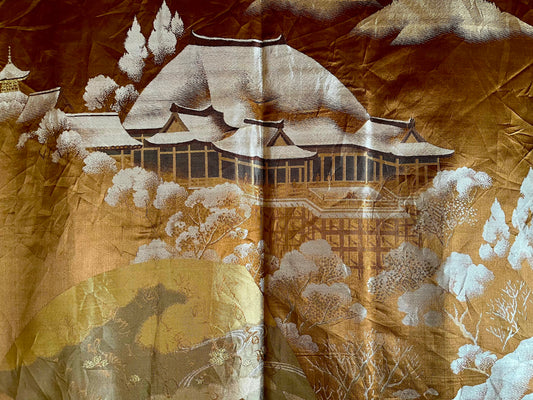
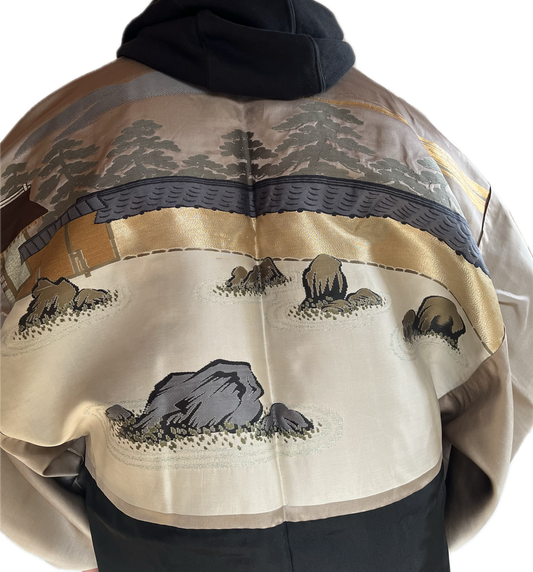
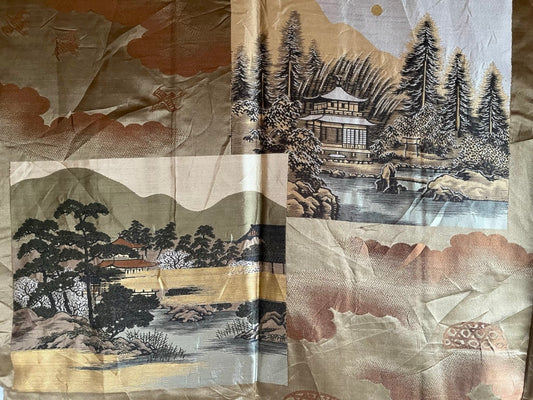
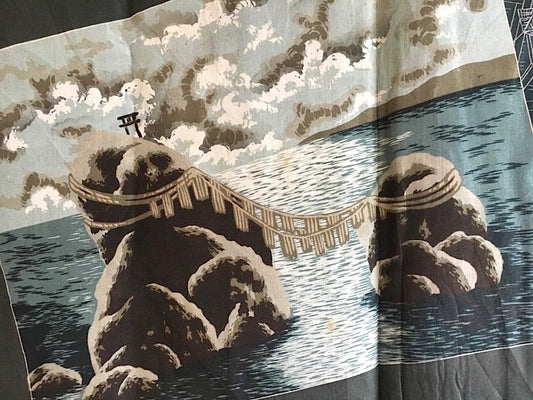
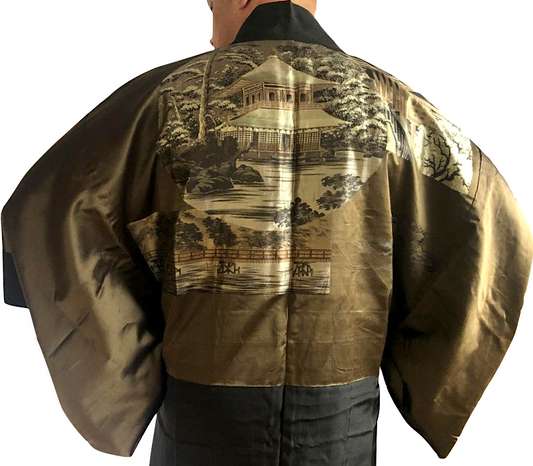
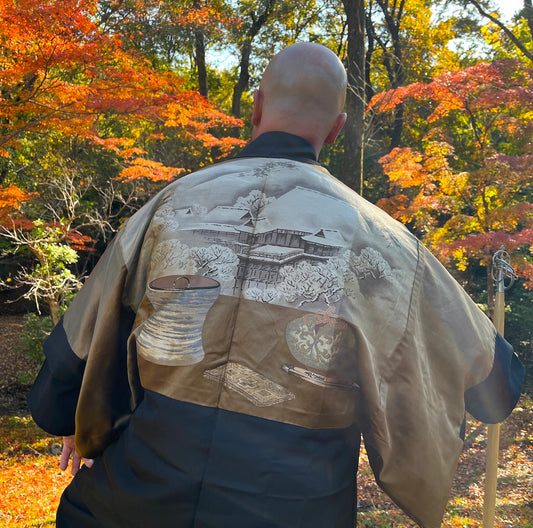
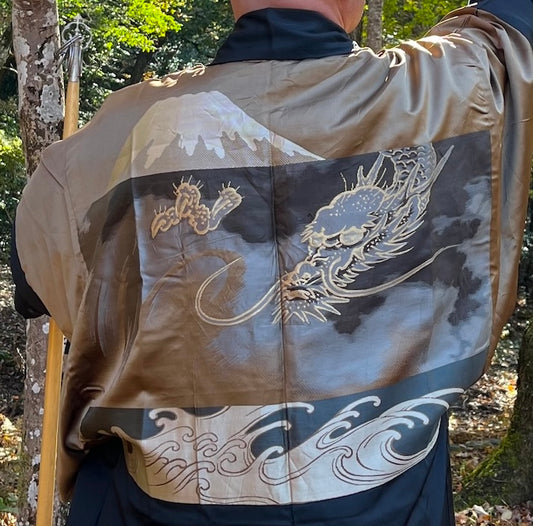
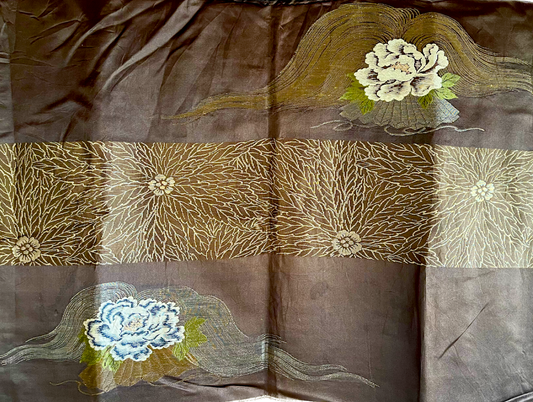
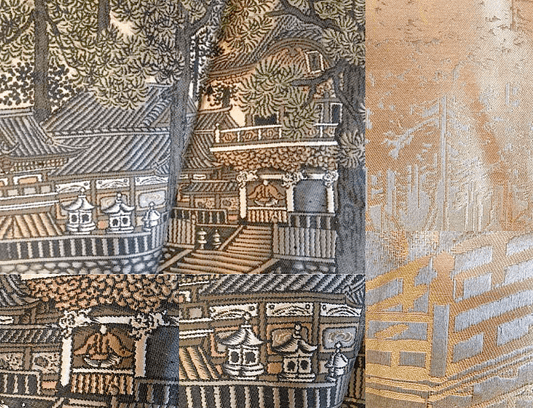
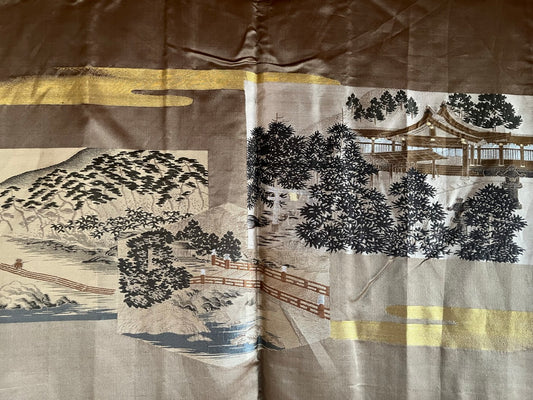
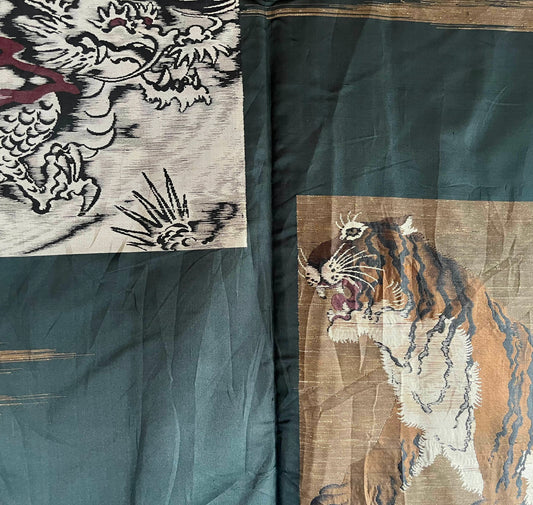
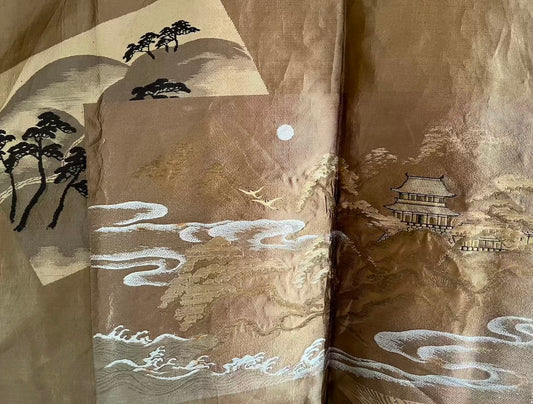
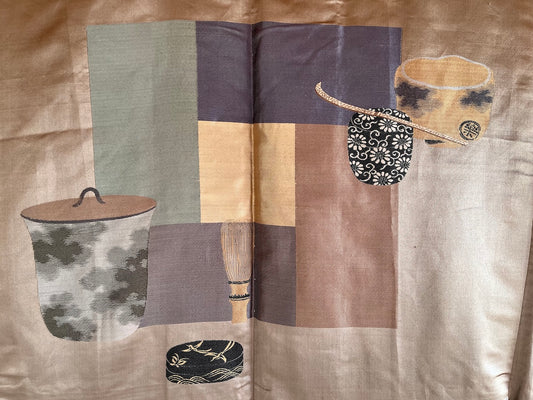
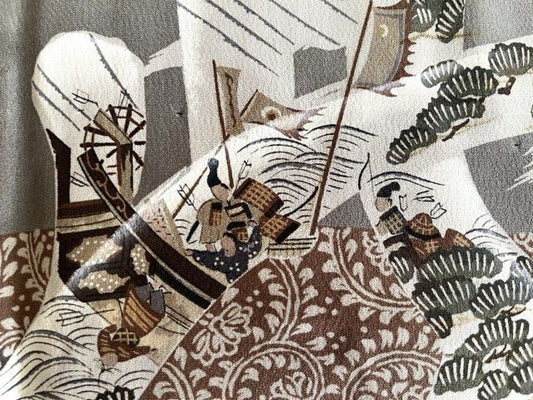
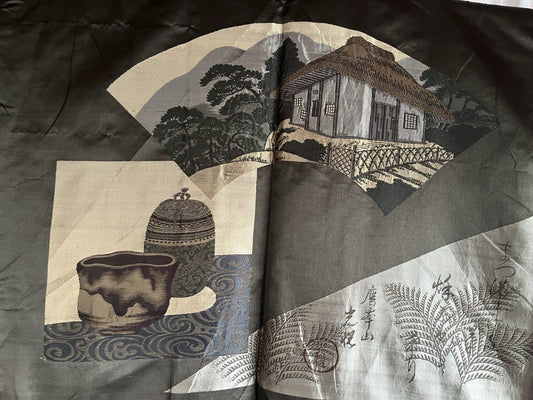
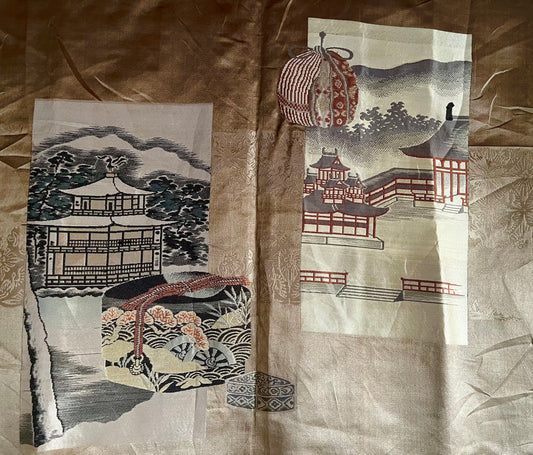
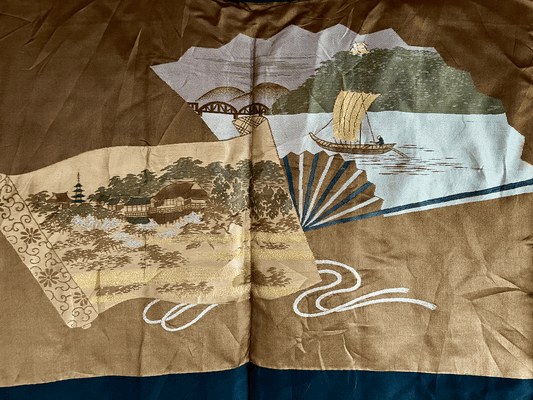
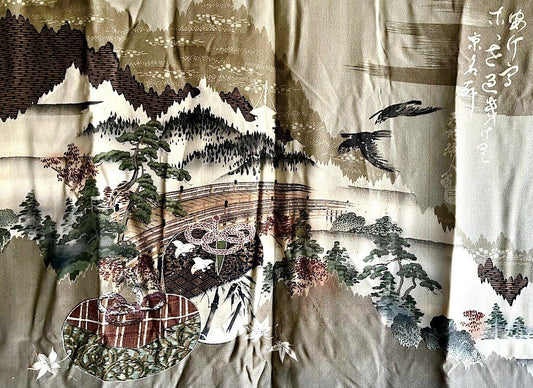
- Minimal external pattern: many formal haori appear plain from the outside; artistry may appear in the lining (haura) rather than the surface.
- Refined silk hand-feel: formal pieces often use silk with a smooth or subtly textured finish.
When to Choose a Formal Haori
Choose a formal haori when your priority is ceremonial presence, traditional correctness, or a structured, minimalist aesthetic. Examples include:
- Traditional ceremonies and commemorations
- Formal cultural gatherings, performances, or official events
- Tea-related contexts where understated refinement is valued
- Collectors seeking crested antique garments with strong provenance cues
Explore curated options here: Men’s Antique Formal Haori Collection.

2) Casual Men’s Haori: Daily Wear, Personality, and Versatile Styling
A casual haori is designed for flexibility. Historically, merchants, townsmen, craftsmen, artists, and travelers wore haori as practical outer layers—warmth, comfort, and style without the strict rules of ceremonial dress. For modern wearers, casual haori are often the easiest entry point: they pair naturally with Japanese garments, streetwear, and contemporary outfits.
Key Signs of a Casual Haori
- Color variety: indigo, browns, greys, muted greens, patterned weaves, or textured surfaces.
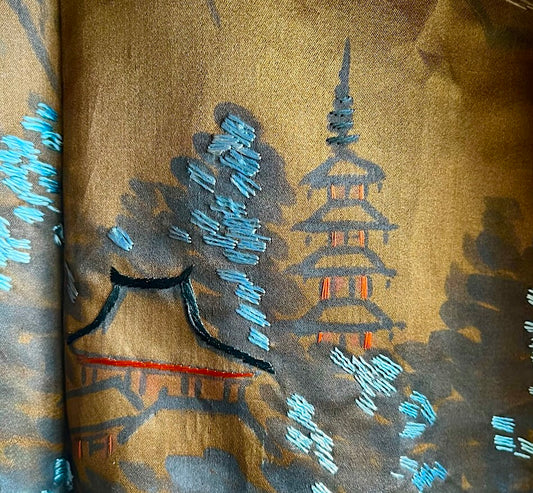
- Patterns and storytelling: stripes, kasuri-like effects, subtle geometrics, or seasonal motifs may appear on the outside.
- Fewer (or no) crests: casual pieces may be crestless or use crests in less formal contexts.
- Everyday practicality: comfortable drape, wearable warmth, and easy coordination with modern clothing.
When to Choose a Casual Haori
Choose a casual haori when you want wearability first—a piece you can use often without feeling “overdressed.” Ideal contexts include:
- Daily lifestyle wear (home, city, travel)
- Creative, artistic, or collector styling
- Seasonal layering (autumn/spring and light winter layers)
- Modern outfits where a Japanese silhouette adds depth and character
For wearable everyday antiques, browse: Men’s Antique Traditional (Casual) Haori Collection.

Formal vs Casual Haori: Comparison Table
| Feature | Formal Haori | Casual Haori |
|---|---|---|
| Typical color | Deep black (kuro), restrained tones | Indigo, brown, grey, muted colors, variety |
| Kamon | Often present; more crests = more formal | Often fewer crests or none |
| Pattern visibility | Minimal outside; artistry may appear in lining | Textures/patterns often visible outside |
| Best use | Ceremonies, formal gatherings, traditional ensembles | Daily wear, travel, modern styling, collecting |
| Styling feel | Authority, restraint, clean formality | Relaxed refinement, personality, versatility |

3) How to Choose the Right Haori: A Practical Checklist
Step 1 — Define Your Primary Occasion
Start with the moment you will wear it most often. If your main context is formal, select a piece that looks composed from a distance (often black or very subdued). If your main context is everyday, choose a haori that feels comfortable and pairs with multiple outfits.
Step 2 — Decide How “Traditional” You Want to Look
Some buyers want historically grounded authenticity (traditional silhouettes, antique craftsmanship, crests, correct visual codes). Others want the haori as a modern jacket with Japanese identity. Both are valid—your choice should match your lifestyle and confidence level.
Step 3 — Check for Kamon and Understand What They Signal
Kamon are a powerful visual signal. In formal contexts, crests reinforce structure and lineage symbolism. In casual contexts, a crest can still be elegant, but it may shift the feel toward “dressier.” If you want a purely relaxed piece, a crestless haori can be the easiest to wear frequently.
Step 4 — Match Fabric to Season and Use
Many antique haori are silk, but silk varies widely in weight and texture. For daily wear, mid-weight fabrics and textured weaves can be forgiving and practical. For formal wear, look for a composed drape and refined surface. For warm climates or summer, lighter weaves are preferable (and can be styled casually or semi-formally depending on color and crests).
Step 5 — Consider Length and Silhouette
Men’s haori commonly fall into standard lengths that layer well over kimono. Longer styles can look particularly elegant but may feel more “statement” in modern outfits. Standard length is usually the most versatile starting point for first-time buyers.

4) Styling Ideas: Formal Haori vs Casual Haori

How to Style a Formal Haori
- Traditional approach: pair with a subdued kimono and hakama for a structured silhouette.
- Modern approach: wear over a clean monochrome outfit (black, charcoal, deep navy) to preserve the formal energy.
- Focus point: let the haori be the authority piece; keep accessories minimal.
For a ceremonial-first selection, browse: Men’s Antique Formal Haori.

How to Style a Casual Haori
- Everyday approach: jeans or chinos + neutral tee/shirt + haori as an outer layer.
- Japanese street approach: wide trousers + simple top + haori for silhouette contrast.
- Seasonal layering: use the haori like a lightweight coat in spring/autumn.
For wearable everyday antiques, browse: Men’s Antique Traditional (Casual) Haori.

5) Buying Antique Haori: What to Check Before You Choose
Antique haori are unique pieces with real history. That is their beauty—and also why buyers should use a clear checklist. Before choosing, consider:
- Condition: look for clean structure, stable seams, and honest wear consistent with age.
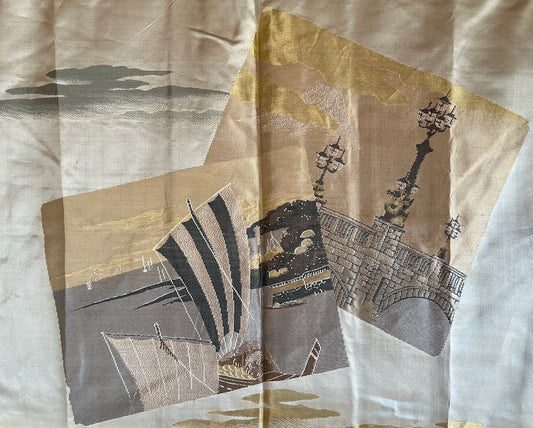
- Lining (haura): many haori hide remarkable artwork inside; this can be a collector’s highlight even on formal pieces.
- Measurements: focus on shoulder width, sleeve length, and overall length for your preferred styling.
- Formality cues: black + crests + minimal surface design generally reads more formal; varied colors and visible textures read more casual.

Recommended Path: Which One Should You Buy First?
If you want maximum versatility: start with a casual/traditional haori. It will integrate easily into daily wear and still feel authentically Japanese.
If you want ceremonial authority: start with a formal haori (often black crested). It will always look correct in traditional settings and becomes a long-term “anchor piece” for your wardrobe.
Browse by intention: Formal Haori or Casual Haori.

FAQ — Formal and Casual Haori for Men
Can I wear a formal haori casually?
Yes, but it will still project a strong formal signal. If you wear a black crested haori with casual clothes, the contrast can look striking—just keep the rest of the outfit clean and intentional so it reads as refinement, not mismatch.
Is a haori with a kamon always formal?
Not always. Crests generally increase formality, but the overall impression also depends on color, fabric, and pattern. Some haori with subtle crests can still be worn in semi-formal or refined casual contexts.
What is the easiest haori to wear as a first purchase?
A traditional/casual haori in a versatile color (indigo, grey, brown) is usually the easiest to wear often. Start here: Men’s Antique Traditional (Casual) Haori.
What is the most formal type of men’s haori?
The classic reference is the black crested formal haori (kuro-montsuki) in a restrained, ceremonial style. Browse here: Men’s Antique Formal Haori.

Conclusion: Choose the Haori That Matches Your Life
A men’s haori is a wearable piece of Japanese culture—quiet, functional, and deeply expressive. If your goal is traditional correctness and ceremonial presence, a formal haori will serve you for years. If your goal is everyday elegance and flexible styling, a casual haori will become a frequent favorite. Either way, choosing consciously—occasion, formality cues, fabric, and silhouette—ensures your haori feels authentic and personal.
Explore: Formal Haori Collection | Casual Haori Collection