
What Is a Japanese Yukata? — History, Meaning & Modern Use
A yukata (浴衣) is a traditional Japanese summer robe made primarily from cotton, designed for comfort, breathability, and ease of movement. Historically linked to bathing culture and seasonal festivals, the yukata has evolved into the most approachable form of traditional Japanese clothing—worn by men, women, and children in summer, at home, at matsuri (festivals), and in ryokan (traditional inns). Today, a well-made yukata offers something rare: authentic Japanese tradition you can actually wear in everyday modern life—without needing formal training like with a kimono.
If you want to shop authentic models by style, start here: Men’s Yukata Collection and Women’s Yukata Collection. This guide will give you the cultural background and practical knowledge to choose—and wear—your yukata with confidence.
Table of Contents
- Definition: What “Yukata” Means
- Quick Answer: What Is a Yukata Used For?
- History of the Yukata: From Bathing Robe to Cultural Icon
- Meaning & Symbolism: Why the Yukata Matters
- Yukata vs Kimono: Key Differences
- Modern Use: Where and How Yukata Are Worn Today
- How to Choose a Yukata: Fabric, Fit, Patterns, and Season
- Etiquette: Wearing a Yukata Respectfully
- Care & Maintenance: How to Wash and Store a Yukata
- FAQ (AEO): Fast Answers to Common Yukata Questions
Definition: What “Yukata” Means
The word yukata (浴衣) is commonly translated as “bath robe,” but its meaning is richer. It is written with the characters: 浴 (bathing) and 衣 (clothing). Originally, the yukata was a robe worn after bathing—especially in settings where hot baths and steam were central to daily life and seasonal customs. Over time, it became the iconic garment of Japanese summer, valued for its lightness, easy wear, and relaxed elegance.
Unlike a formal kimono, a yukata is typically made from cotton or breathable summer weaves and is worn with fewer layers. It is designed to feel natural on the body, making it a perfect introduction to traditional Japanese clothing for both beginners and enthusiasts.
Quick Answer: What Is a Yukata Used For?
A yukata is used as summer traditional wear in Japan. It is commonly worn:
- At summer festivals (matsuri) and fireworks events (hanabi)
- At ryokan and onsen towns as relaxed guest wear
- At home as comfortable loungewear in summer
- For cultural events such as Bon Odori dances and seasonal celebrations
In short: the yukata is the most wearable, practical, and widely enjoyed traditional garment in Japan—combining tradition with real-life comfort.

History of the Yukata: From Bathing Robe to Cultural Icon
1) Early Roots: Bathing Culture and Everyday Practicality
The earliest forms of yukata are linked to Japan’s long relationship with bathing, heat, and seasonal purification. In historical Japan, bathing was not only hygienic; it was also cultural and, at times, spiritual—connected to renewal, seasonal change, and community life. A simple cotton robe worn after bathing made perfect sense: it absorbed moisture, allowed airflow, and provided modesty without heavy layers.
This practicality is the seed of the yukata’s identity: a garment built for comfort in warm conditions, while still holding an unmistakably Japanese silhouette. Even today, that silhouette—straight lines, wrapped closure, tied obi—signals “Japan” instantly, without needing formal kimono accessories.
2) The Rise of Summer Festivals: Yukata as Seasonal Dress
As urban life and public entertainment developed, summer festivals became key social events. The yukata naturally moved from private, post-bath use into public seasonal wear. Its cotton fabric, washable nature, and ease of wearing made it ideal for warm nights filled with walking, eating, dancing, and celebration.
Over time, yukata patterns expanded dramatically—reflecting regional tastes, popular motifs, and the seasonal aesthetics that Japanese culture is known for. This is one reason yukata remains so loved: it is both traditional and expressive.
3) Modern Era: Accessible Tradition for Everyone
In contemporary Japan, many people may not wear formal kimono often, but the yukata stays alive as a living tradition. It shows up in summer celebrations, tourism, ryokan stays, and modern lifestyle photography—because it works. It is comfortable, recognizable, affordable compared to formal kimono, and culturally meaningful without being rigidly formal.
For international wearers, the yukata has become a bridge: a way to participate in Japanese culture respectfully, while wearing something authentic and functional. If your goal is to wear traditional Japanese clothing in a way that feels natural, the yukata is usually the best starting point.

Meaning & Symbolism: Why the Yukata Matters
The yukata is more than “Japanese summer clothing.” It carries a cultural message: seasonal awareness, simplicity, and everyday elegance. In Japan, seasons are not just weather—they shape aesthetics, food, rituals, and clothing. Wearing a yukata says: “I am in summer now. I accept the season as it is.”
That is why patterns matter. A yukata pattern is rarely random. Common themes represent:
- Nature (waves, flowing water, bamboo, plum blossoms, chrysanthemums)
- Seasonal beauty (summer flowers, wind chimes, festival imagery)
- Strength and good fortune (dragons, cranes, geometric “protective” patterns)
- Cultural identity (traditional motifs, classic Japanese design language)
In this way, the yukata is a wearable form of Japanese seasonal art. It is an expression of taste, mood, and respect for tradition—without the formality barriers of kimono culture.

Yukata vs Kimono: Key Differences
Many people search “yukata vs kimono” because they look similar at a distance. The difference becomes obvious once you understand structure and purpose:
| Feature | Yukata | Kimono |
|---|---|---|
| Formality | Casual / seasonal | Casual to highly formal |
| Fabric | Usually cotton or breathable summer weave | Silk, wool, synthetic, lined/unlined depending on season |
| Layers | Simple, fewer layers | Often layered with under-kimono and accessories |
| Ease of wearing | Beginner-friendly | Requires practice for correct dressing |
| Typical occasions | Festivals, ryokan, home | Ceremonies, formal events, seasonal outings |
A simple way to remember: kimono is a broad category (from casual to formal), while yukata is a specific summer garment designed for relaxed wear.

Modern Use: Where and How Yukata Are Worn Today
1) Summer Festivals (Matsuri) and Fireworks (Hanabi)
The most iconic yukata scene is a summer festival evening—food stalls, lanterns, street games, and fireworks in the distance. The yukata remains popular because it is lightweight and visually striking, and it matches the seasonal atmosphere of Japanese summer culture.
2) Ryokan and Onsen Towns
In traditional inns, yukata are commonly provided as guest wear. This practice reinforces the original identity of the yukata: comfort after bathing, relaxation, and a sense of stepping into a slower rhythm. Wearing yukata in this context is not costume—it is a living custom.
3) Homewear and Mindful Daily Life
Many Japanese households still use yukata as summer loungewear. For international wearers, this is one of the strongest modern uses: a yukata can be your “at-home uniform” for comfort, reading, meditation, or simply staying cool without losing style. If you appreciate Japanese lifestyle aesthetics, a yukata is both functional and deeply cultural.
4) Cultural Events, Photography, and Modern Styling
Yukata also appear in tea gatherings, cultural demonstrations, summer markets, and travel photography. The modern trend is not to “reinvent” the yukata, but to wear it cleanly and correctly—then adapt small details like footwear, bag, or layering for comfort. The key is balance: keeping the yukata’s traditional lines intact while using it in modern life.
If you want to explore authentic options made for real wear, browse: Men’s Yukata and Women’s Yukata.

How to Choose a Yukata: Fabric, Fit, Patterns, and Season
1) Fabric: Why Cotton Is the Classic Choice
Traditional yukata are most often made from cotton because it breathes, absorbs moisture, and feels comfortable against the skin. In hot and humid conditions, cotton is a practical advantage. Quality cotton weaving also affects how the garment drapes: a better weave holds clean lines without feeling stiff.
Some modern yukata use blends or easy-care fabrics, but if your priority is authenticity and comfort, cotton remains the reference. This is especially important if you plan to wear your yukata regularly at home or during summer travel.
2) Fit: Getting the Length and Sleeve Balance Right
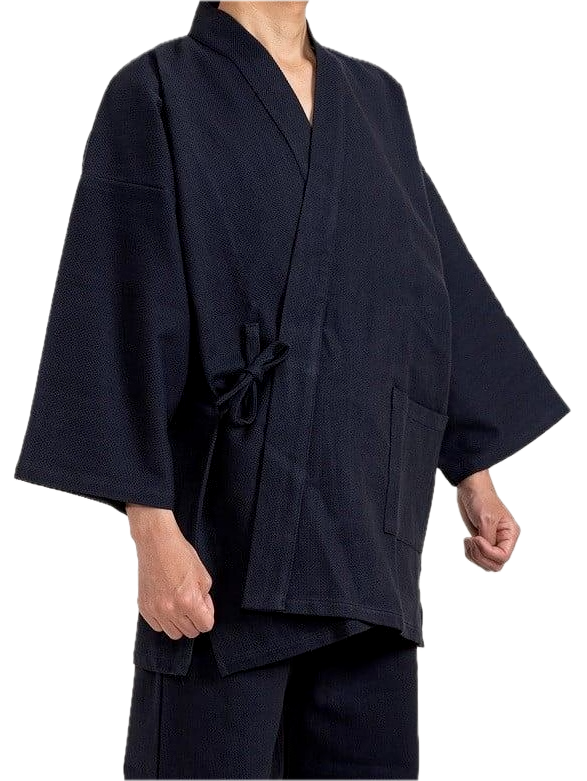
A yukata is designed to wrap around the body and be secured with an obi. The most important element is length: the hem should generally fall around the ankles, allowing comfortable movement without dragging. For women’s yukata, length can be adjusted with a waist fold; for men’s yukata, the fit is often simpler and straighter.
The right size also impacts how clean the collar line looks. A properly fitted yukata feels stable, breathable, and easy to wear for hours—exactly what it was designed for.
3) Patterns: Culture, Taste, and Visual Balance
Patterns are where yukata become personal. A good pattern is not just “nice,” it suits the wearer and the context. For men, classic designs often emphasize strength, tradition, or bold minimalism. For women, seasonal florals and flowing designs can highlight elegance and summer lightness.
When choosing, consider:
- Contrast: strong pattern vs subtle pattern (how visible you want it to be)
- Season: summer motifs feel “right” in festivals and seasonal events
- Occasion: homewear can be softer; festival wear can be more expressive
4) Color: A Simple Guide
Color is the fastest way to shape your yukata’s impression:
- Navy / indigo: classic, calm, extremely traditional
- Black: strong presence, modern-classic, elegant contrast
- White / light tones: fresh summer feeling, more delicate look
- Bold colors: festive, youthful, high visual energy
If you are unsure, indigo or navy is the safest “always Japanese” choice for both men and women.

Etiquette: Wearing a Yukata Respectfully
Yukata are relaxed, but there are a few key rules that instantly make your look correct (and culturally respectful). These details also help your yukata feel comfortable and secure.
1) Always Wrap Left Over Right
The standard rule is left side over right side. The opposite direction is traditionally associated with dressing the deceased, so it is best avoided. This is the single most important etiquette point for beginners.
2) Keep the Collar Line Clean
A yukata looks best when the collar lies flat and the neckline feels intentional rather than messy. Men typically wear the collar closer to the neck; women often allow slightly more opening at the back of the neck for elegance. Small adjustments here create a big difference in appearance.
3) Footwear and Accessories
Traditional footwear includes geta (wooden sandals), but modern casual sandals can also work—especially for home or travel comfort. Keep accessories minimal and culturally aligned: a small bag, simple fan, or understated summer items look natural.

Care & Maintenance: How to Wash and Store a Yukata
One of the reasons yukata became so popular is that they are practical. Many cotton yukata can be washed at home (always check the specific care instructions for your model). Proper care keeps your yukata crisp, comfortable, and long-lasting.
Washing (General Guidance)
- Wash gently, preferably in a laundry net to reduce friction.
- Use mild detergent; avoid harsh bleach unless the fabric allows it.
- Air dry when possible to preserve shape and color.
- Light ironing can restore clean lines if needed.
Storage
Store your yukata folded in a cool, dry space. Good airflow matters—especially in humid climates. If you wear your yukata often, simple seasonal maintenance (washing, fully drying, careful folding) is enough to keep it beautiful for years.

FAQ (AEO): Fast Answers to Common Yukata Questions
Can foreigners wear a yukata?
Yes. A yukata is one of the most respectful and accessible ways for foreigners to wear traditional Japanese clothing. The key is to wear it correctly (especially left over right) and choose a style appropriate for the occasion.
Is a yukata formal?
A yukata is generally casual. It is traditional, but not formal like many kimono styles. It is perfect for summer festivals, ryokan stays, and homewear.
What do you wear under a yukata?
Many people wear light undergarments for comfort and hygiene. In summer, breathable layers help keep the yukata clean and comfortable. In a ryokan setting, people often wear it simply and comfortably, depending on custom and personal preference.
Is yukata only for summer?
Traditionally, yes—yukata are strongly associated with summer because of their light fabric and seasonal patterns. However, many people still wear yukata indoors as loungewear whenever comfort is needed.
Where can I buy an authentic Japanese yukata online?
If you want authentic designs with reliable sizing and quality control, choose a specialist shop focused on traditional Japanese wear. You can explore BujindoShop collections here: Men’s Yukata and Women’s Yukata.

Conclusion: The Yukata as Living Tradition
The yukata remains one of Japan’s most loved garments because it is a true balance: tradition that fits modern life. It carries seasonal beauty and cultural meaning, yet it stays practical—easy to wear, breathable, and expressive. Whether you plan to wear it at a summer festival, during travel in Japan, or as relaxed homewear, a well-chosen yukata becomes more than clothing. It becomes a way to inhabit summer with intention.
Ready to choose yours? Browse: Men’s Yukata Collection and Women’s Yukata Collection.
Next in the Yukata Guide: Yukata vs Kimono — Key Differences in Fabric, Season & Formality